
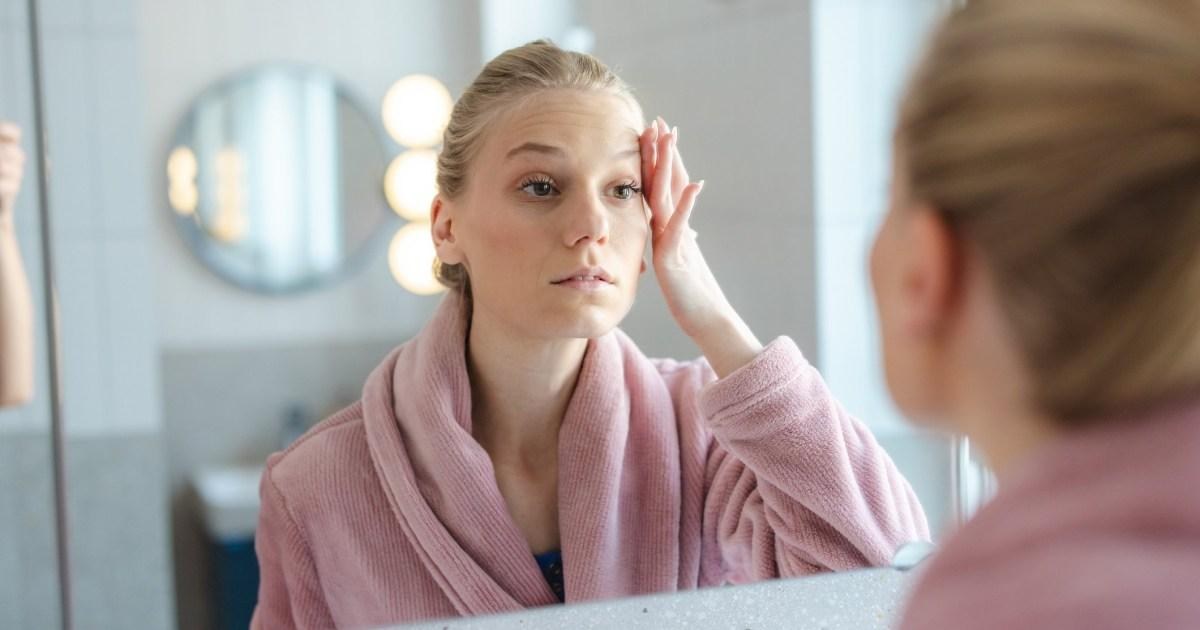
You’re not imagining it – it really is possible to feel ‘uglier’ during your luteal phase (Picture: Getty Images) Looking in the mirror, you have to do a double take. It’s still you… but a slightly more haggard version than usual. You’ve lost any kind of glow, you’ve got bags under your eyes and various spots erupting across your face. No, you’re not imagining things: it’s that fortnight per month where something is a little… off. You’re probably familiar with those goddess-like vibes during ovulation. Inner self-critic? You don’t know her. However, all that changes during the luteal phase, the final stage of the menstrual cycle. Ask Metro Use AI to go deeper into the stories you care about – powered by Metro and trusted publications. Typically lasting between 12 and 14 days, it’s often accompanied by stress and anxiety. If you experience PMS, you might also experience mood swings, tiredness, trouble sleeping, acne, greasy hair, fluid retention, and headaches. While in reality you might not actually look any different, it’s a point during your cycle where you don’t feel like you’re looking your best. And now, thanks to the internet, this feeling has a name: the luteal uglies. What happens during the luteal phase? Dr Mariam Farshchi, GP at Pall Mall Medical, tells Metro: ‘During this time, your two main reproductive hormones are doing a lot of work. Oestrogen is the hormone that drives the first half of your cycle and supports skin, mood and energy. ‘Progesterone rises after ovulation to help prepare the body for a possible pregnancy. ‘In the days before your period, both hormones drop sharply. That dip is real, and it does show up in the body.’ The luteal phase lasts between 12 and 14 days (Picture: Getty Images) Do we really look that different during the luteal phase? What does this mean for our reflection in the mirror, though? Dr Mariam adds: ‘Skin can get oilier too, so breakouts are more likely. Sleep often gets lighter, and lower serotonin activity linked to falling hormones can leave you feeling flatter or more anxious. ‘Put tiredness, bloating and a spot or two together, and it’s easy to feel like a worse version of yourself, even though nothing about your actual appearance has changed in any meaningful way.’ On the other hand, ovulation, which is roughly halfway through the cycle, is often referred to as the aforementioned ‘glow’ phase. This is because oestrogen peaks, which can plump skin slightly and lift both energy and confidence. ‘So, there’s a biological pattern behind feeling more ‘on’ and energised around ovulation and more tired before your period,’ Dr Mariam says. Are the ‘luteal uglies’ normal? ‘The main takeaway is that these shifts are a normal part of a healthy cycle, not that you look worse for two weeks a month,’ says Dr Mariam. ‘Staying hydrated, keeping a steady skincare routine and prioritising sleep can help to ease the effects. ‘If symptoms become severe, persist beyond the period or regularly affect work, relationships or daily life, it is worth speaking to a GP. Deals of the Day Wuka launches the UK’s first period-proof swimwear for heavy flows Bridgerton fans are rushing to buy these new Netflix-inspired perfumes now £12 off The affordable summer wardrobe update you'll wear from rooftop drinks to beach holidays The £7.99 lip balm beauty fans love for glossy, hydrated lips just dropped four new shades This Keskine hydrogel mask could fix your summer skin ‘They can assess for conditions such as PMS or PMDD and consider whether any further investigation is needed.’ Millions of women are using the wrong painkiller for period cramps According to a new study, millions who experience periods could be targeting the wrong types of painkillers in their bid for respite. Analysing 211 million supermarket receipts between 2006 and 2015, the research, published in the PLOS Digital Health journal, found that people are overwhelmingly reaching for paracetamol over any other medication. This is specifically within the context of period pain, as the purchases were evaluated in conjunction with products like pads and tampons. However, the experts behind the study, from the University of Bristol and the University of Nottingham, note that it’s actually not paracetamol that you should be taking for cramps, but ibuprofen. Of all the purchases covered by the study, 50% of those buying period products to cover bleeding also included some form of pain relief in there, too. Two-thirds of these were paracetamol, while the remaining third were ibuprofen, despite it being the most effective treatment for period pain. Do you have a story you’d like to share? Get in touch by emailing MetroLifestyleTeam@metro.co.uk Arrow MORE: Treasury worker, 26, killed herself one day after anonymous complaint Arrow MORE: M&S shoppers are ‘clutching their pearls’ as explicit fashion item goes on sale Arrow MORE: The noisy turn-on women love but men find ’embarrassing’ The Slice Your free newsletter guide to the best London has on offer, from drinks deals to restaurant reviews.
Millions of women are experiencing the ‘luteal uglies’ right now
Full Article
Original Source
Read the full article at Metro →KhanList aggregates and links to publicly available news content. We do not host full articles from third-party sources. Always verify important information with original sources.