
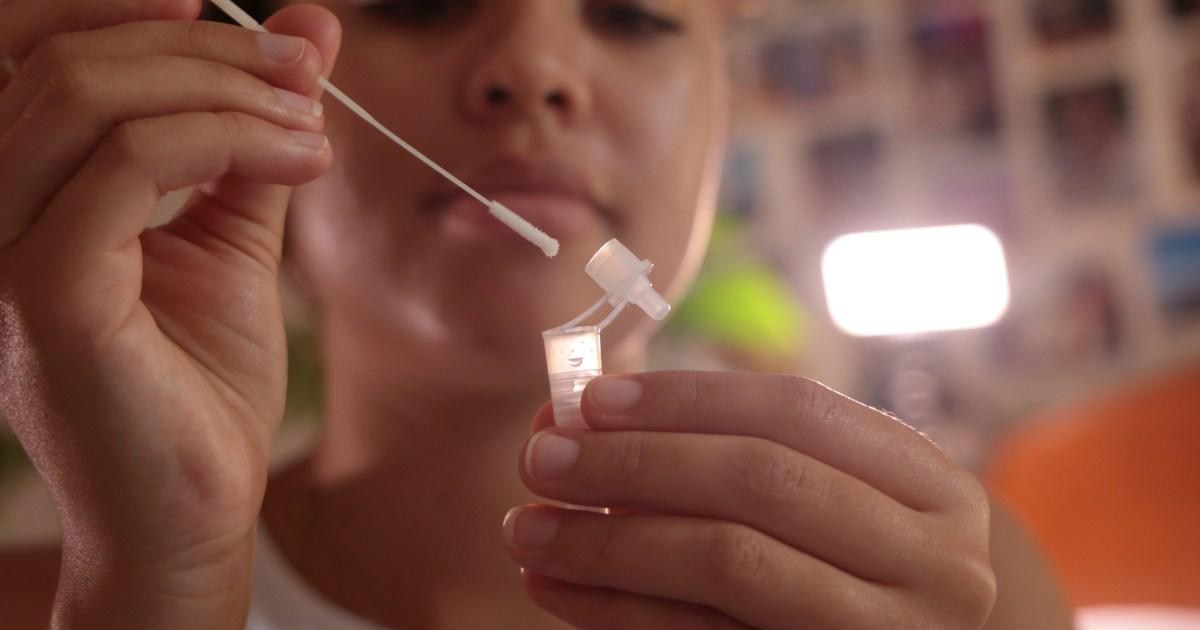
4 million women will be offered the tests over the next year (Picture: Getty Images) While nobody likes going for a smear test, screenings are vital in preventing cervical cancer. Despite the fact cervical screenings save thousands of lives each year in the UK, though, uptake has gradually declined, and nearly a third of eligible women in England didn’t attend their most recent test. The drop has been blamed — when it comes to younger women in particular — on embarrassment, fears over the test causing pain, and a lack of convenient appointments. So in an effort to combat barriers and potentially reach an additional 400,000 women every year, the NHS has now rolled out ‘groundbreaking’ new DIY screening kits. The Department of Health confirmed in a recent announcement that 4 million women across England who have rarely or never attended cervical screening will be offered the tests over the next year. It follows a trial which saw 27,000 YouScreen kits issued to London patients who were overdue a smear, whereby 85% of those offered one accepted and 56% returned a self-sample. Clinician-administered tests can be embarrassing and uncomfortable (Picture: Getty Images) Lead investigator Dr Anita Lim, from King’s College London, said: ‘Self-sampling has been hailed as a game-changer. ‘It is crucial we make cervical screening easier… to help protect more people from this highly preventable cancer. The YouScreen trial has given us the evidence we need to demonstrate that self-sampling helps get more women screened.’ How do these home kits work, though, and how can you get one? How at-home smear tests work Ask Metro Use AI to go deeper into the stories you care about – powered by Metro and trusted publications. Dr Raj Arora, a GP specialising in women’s health, skincare and mental health, tells Metro: ‘Essentially these kits are looking to detect Human Papillomavirus (HPV), a virus that causes most cervical cancers.’ They look similar to a Covid-19 lateral flow test, with a long swab which is entered into the vagina. The sample is then put into a test tube and sent to a lab. Cervical cancer explained Cervical cancer is a cancer that’s found anywhere in the cervix It’s most common in women aged between 30 and 35, but it can happen at any age Nearly all cervical cancers are caused by an infection from certain types of human papillomavirus (HPV) Cervical cancer usually develops very slowly, and how serious it is depends on how big it is, if it has spread, and your general health Although early cervical cancer and pre-cancerous cell changes usually do not cause any noticeable signs, symptoms include: Pain during sex Abnormal vaginal bleeding – including spotting/bleeding between periods, after the menopause, after sex, or heavier periods than normal Pain between hip bones, in your lower tummy, or lower back Discharge changes – including pale, watery, brown, blood-coloured, pink or unpleasant smelling discharge Via NHS. ‘Medical professionals will be able to detect HPV cells to understand if the patient is at risk or suffering from cervical cancer,’ Dr Donald Grant, GP and senior clinical advisor at The Independent Pharmacy, tells Metro. ‘If HPV cells are detected, the patient will be contacted for an in-person cervical screening.’ According to Dr Arora, ‘a self-test means that the patient has more control over any potential discomfort and also the test itself can be quicker to carry out,’ while Dr Grant adds that because at-home swabs ‘don’t need to touch the cervix,’ they make the process ‘much more painless for women.’ Are DIY smear tests as accurate as clinician-administered screenings? While the NHS says cervical screening appointments with a clinician is still the best way to prevent cancer, these self-screenings can be just as precise, and pick up the same abnormalities, as tests carried out in your doctor’s surgery. There is a caveat, though. The tests can spot HPV or abnormal cells (Picture: Getty Images) ‘Studies have shown a similar accuracy to in-clinic cervical screening as long as the test is carried out correctly,’ says Dr Arora. Dr Grant agrees, adding: ‘Accurate results largely depend on the user’s ability to follow the instructions and correctly collect the swab.’ If the results are of concern or the home test hasn’t been administered correctly, further examination by a GP or nurse may be required. How to do a cervical screening at home To get the right results, it’s vital you follow the instructions on your cervical self-screening kit carefully. Dr Grant advises caution when handling the sample, commenting: ‘As soon as the swab is collected, it should be carefully placed in the provided packaging to avoid skewing the results, allowing for a more accurate diagnosis.’ ‘It’s also important to ensure that you rotate the swab for the instructed period of time (around 20-30 seconds) or 5-6 times,’ says Dr Arora. How to get a self-sampling kit from your GP According to the NHS, eligible patients will receive an invite to order a free self-sampling kit on the NHS App or via text message, email or letter. Otherwise, home HPV tests can be purchased online through providers such as Check4Cancer and Superdrug Online Doctor. Since these aren’t approved as part of the UK’s cervical screening programme though, you should still attend a smear test when you’re invited. Deals of the Day The back-to-school essential parents forget every year – and it could cost them Simba's cooling mattresses are now up to 30% off ahead of the bank holiday The best hosepipe ban-friendly products to protect your garden this summer Amazon has slashed the price of Cetaphil's bestselling sensitive skin products Parents can save up to 30% on Kickers school shoes ahead of the new term Dr Grant says: ‘Ultimately, women should choose the testing method that best suits their needs and provides the most comfort. However, the importance of regular screening, be that at home or with a GP, should never be undermined.’ Do you have a story you’d like to share? Get in touch by emailing MetroLifestyleTeam@metro.co.uk Arrow MORE: Costa, Starbucks and Pret’s caffeine compared — with drink matching 4 cans of Red Bull Arrow MORE: Salmonella outbreak affecting UK ‘may have spread to chicken’ Arrow MORE: Opticians staff had to empty elderly man’s catheter bag after he was left stranded for nine hours The Slice Your free newsletter guide to the best London has on offer, from drinks deals to restaurant reviews.
Millions of UK women to be offered ‘groundbreaking’ DIY home smear tests
Full Article
Original Source
Read the full article at Metro →KhanList aggregates and links to publicly available news content. We do not host full articles from third-party sources. Always verify important information with original sources.