
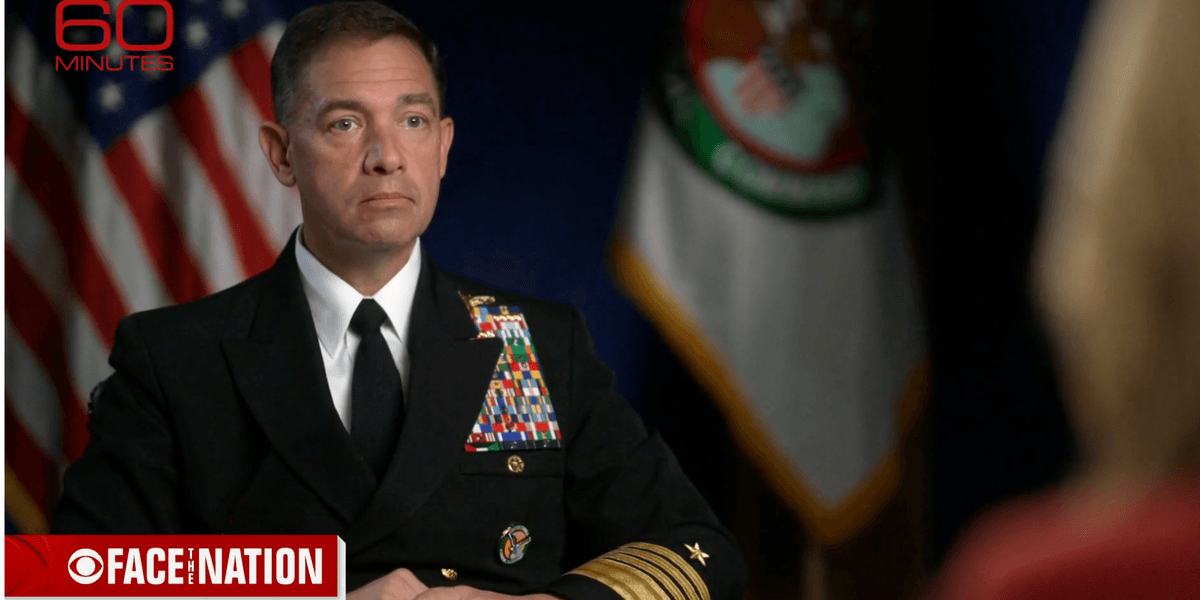
In his recent “State of the Force” address, Defense Secretary Pete Hegseth announced a 20% reduction to the number of general and flag officers, affecting an estimated 800 positions scheduled for January 1, 2027. His sharpest critics see this as ranging from sycophantic revenge on the general officer class to simply misguided personnel policy. Hegseth defined it in his speech as “accountability and long overdue.” That accountability he’s referring to speaks to a symptom of a much larger problem within the general officer class, a feeling that our nation’s military leaders at times get over their skis. An element of this is when generals drift into decision-making that happens off the battlefield. Generals wading into matters of policy and politics happens more than one might think. This is, however, in conflict with the choice made by America’s founders to subordinate the military to civilian control, leaving policy and politics to those duly elected or appointed by the people. Where the civilian-military balance is most out of control today is in the regional combatant commands (COCOMs). Regional COCOM leadership have become accustomed to ruling over their own fiefdoms of U.S. forces positioned across every major area of the world while also waging significant influence in the halls of power at home. Secretary Hegseth could be onto something in terms of accountability, but only if the structure and criteria of his mandated reduction aims significant scrutiny at the power wielded by the regional COCOMs.These commanders often play the role of grand strategists, diplomats, political operators, and PR machines — duties far beyond the intent for military leadership in America. These blatant invasions of the civilian space feels routine because regional COCOMs maintain their own legislative affairs and public affairs staff — despite the Pentagon performing these same functions in Washington. While certainly there is a degree of coordination, it is evident to anyone who has worked with the regional COCOMs that they run largely independent operations and at most in parallel to the civilian side. Let’s look at some recent examples. Since the start of Operation Epic Fury, Admiral Brad Cooper, U.S. Central Command (CENTCOM) Commander, has engaged in numerous meetings with high-ranking government officials in the Middle East, including Saudi Crown Prince Mohammed bin Salman, Israeli Defense Minister Israel Katz, and Lebanese President Joseph Aoun. In these meetings, Admiral Cooper was the highest-ranking U.S. official present, and CENTCOM public releases did not indicate that a civilian counterpart of equal rank was present. Meetings with foreign leaders at these levels are the responsibility of the President or his Cabinet. Regional commanders should, at most, be invited as participants at the discretion of the President or the Defense Secretary, but should not be leading or deputized to lead such engagements without civilian leadership present. This isn’t just a CENTCOM dynamic. In 2023, when the U.S. remained heavily engaged in providing proxy support to Ukraine, U.S. European Command (EUCOM) Commander General Chris Cavoli conducted similar engagements, including with Ukrainian President Volodymyr Zelenskyy. Military to military engagements, with both allies and adversaries alike, are critical points of connectivity and regional COCOM commanders should be central in fostering those relationships. However, that is where their role should end. Civilian leadership at appropriate seniority levels should not only be present in engagements with foreign government leaders, but should always be in the driver’s seat of those conversations. Beyond breaching the civilian-military balance abroad, regional COCOM commanders also distinguish themselves as public figures at home, building their own profiles amongst the halls of Capitol Hill and the media. Regional COCOM commanders often engage and maintain relationships with Senators and Representatives independently without civilian counterparts present. It is also noteworthy that, despite the Senate Armed Services Committee’s responsibility for vetting and confirming both civilian appointees and promotions to regional combatant command leadership posts, the SASC only calls for military leadership to testify at annual posture hearings. The House Armed Services Committee (HASC), to its credit, hears from both civilian and military leadership for their annual hearings.Regional COCOM commanders are also active in the media. The risk of overstatement, understatement, or contradiction on politically charged issues is high-risk for them, particularly with a press-centric administration and the level of media engagement the Commander-in-Chief himself conducts. Just look at how CENTCOM and U.S. Pacific Command (PACOM) injected into the media space in the midst of the Iran war and you can see the danger. In mid-September, Admiral Cooper boldly claimed “I am not concerned at all,” when asked in a 60 Minutes interview about widely reported shortages of U.S. critical munitions stockpiles as a result of the Iran war. The depletion of the stockpiles, and long lead times for replenishment, have seriously affected U.S. plans to deter China from invading Taiwan, given the overlap in weapons required to ensure a U.S. deterrent is credible. Just one week after Admiral Cooper’s 60 Minutes interview, Time Magazine ran an exclusive profile on USPACOM Commander Admiral Samuel Paparo. The main topic of the conversation? Why prioritization of deterrence in the Pacific is essential to avoiding war between the U.S. and China. The authors of the piece did not hesitate to point out discrepancies in Paparo’s public versus reported private commentary about how resource expenditure in the Middle East is harming the central mission of deterrence in the Pacific. Not only did these interviews result in a bad PR cycle for the Pentagon, but it illustrates the dysfunction and factionalism that exists when military leaders decide to play policymakers. The blurring of civilian and military lines from unrestrained regional COCOMs is an underreported issue. But Secretary Hegseth’s effort to reduce the general and flag officer class presents a prime opportunity to address it. The Secretary and his team should consider how a reduction in rank and resourcing for the regional COCOMs could properly bring them back into alignment with appropriate civilian leadership, overseeing and directing their engagement outside of explicitly military functions and responsibilities. Stars and medals are certainly symbols of sacrifice and bravery but should not elevate or communicate a status of authority above civilian leadership. Civilian control of the military is an essential component of the American republic and we should take this opportunity now to preserve it.
Military chiefs ruling over regional fiefdoms are the problem
Full Article
Original Source
Read the full article at Responsiblestatecraft →KhanList aggregates and links to publicly available news content. We do not host full articles from third-party sources. Always verify important information with original sources.