
TOPLINEAmong young adults with acute ischaemic stroke or transient ischaemic attack (TIA), a history of migraine — particularly migraine with aura — was associated with an earlier onset of stroke and a higher prevalence of a patent foramen ovale (PFO); however, migraine without aura independently predicted favourable functional outcomes at discharge.METHODOLOGYUsing data from a prospective follow-up study, researchers examined associations between migraine (with and without aura) and stroke aetiology, functional outcomes, and traditional cardiovascular risk factors.They analysed data of 289 young patients (median age, 48.0 years; 36.3% women) with acute ischaemic stroke or TIA; of these, 92 had a history of migraine, including 47 with aura and 45 without aura.Patients underwent structured headache assessments, conducted by headache specialists using standardised diagnostic criteria, with 192 patients assessed via face-to-face interviews and 97 assessed through telephone interviews and/or a review of electronic medical records.The aetiology of stroke was classified using the established criteria, and patients underwent evaluation for PFO using transoesophageal echocardiography.The severity of stroke was evaluated using the National Institutes of Health Stroke Scale at admission and discharge, and functional outcomes were assessed using the modified Rankin scale (mRS), with an mRS score below 2 defined as a good functional outcome.TAKEAWAYPatients with migraine with aura had stroke at a younger age compared with those without migraine (median age, 45 vs 50 years; P < .001). Headache at stroke onset was more frequent among those with migraine than among those without (48.9% vs 23.5%), with consistent findings seen in both migraine with aura and migraine without aura (P ≤ .004 for both).A PFO was significantly more prevalent in patients with migraine with aura than in those without migraine (68.9% vs 36.9%; P < .001), whereas no significant differences were observed among those with migraine without aura. The severity of stroke and functional outcomes were more favourable among patients with migraine than among those without migraine, with similar findings seen in both migraine subtypes (P ≤ .008 for all). Migraine without aura was independently associated with favourable functional outcomes at discharge (odds ratio, 7.21; P = .003) after adjustment.No significant differences in stroke territory or pattern were observed between patients with and without migraine; however, small artery occlusion was more common among those with migraine without aura.IN PRACTICE"Our results highlight the clinical relevance of migraine in young patients with ischaemic stroke, particularly regarding stroke characteristics, associated conditions such as PFO, and functional outcome," the authors wrote.SOURCEThis study was led by Katharina Kaltseis, Medical University of Innsbruck, Innsbruck, Austria. It was published online on August 06, 2026, in the European Journal of Neurology.LIMITATIONSThe study included young patients with stroke, which may have limited the generalisability of the findings. The exclusion of patients with severely disabling stroke or limited life expectancy may have introduced selection bias. The possibility of recall bias cannot be excluded because headache interviews were conducted during long-term follow-up rather than at the time of the index event.DISCLOSURESThis study received funding from the Medical University of Innsbruck, with additional funding from VASCage-C (Research Centre on Vascular Ageing and Stroke). The authors declared having no conflicts of interest.This article was created using several editorial tools, including AI, as part of the process. Human editors reviewed this content before publication.
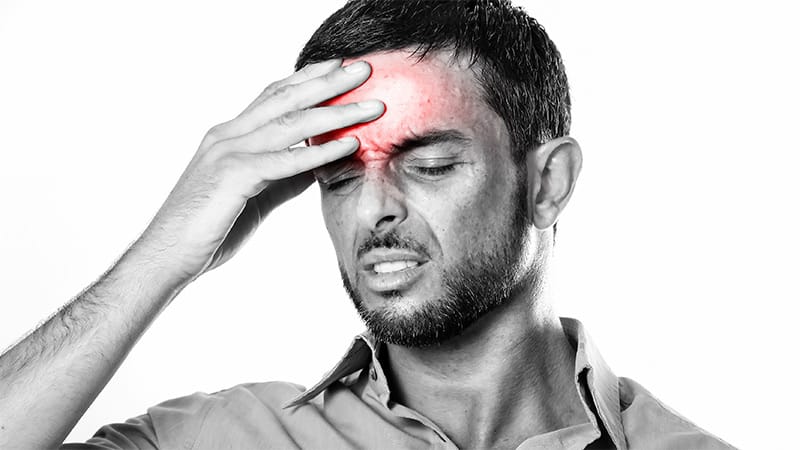
Migraine Tied to Earlier Stroke, Better Recovery
Full Article
Original Source
Read the full article at Medscape →KhanList aggregates and links to publicly available news content. We do not host full articles from third-party sources. Always verify important information with original sources.