
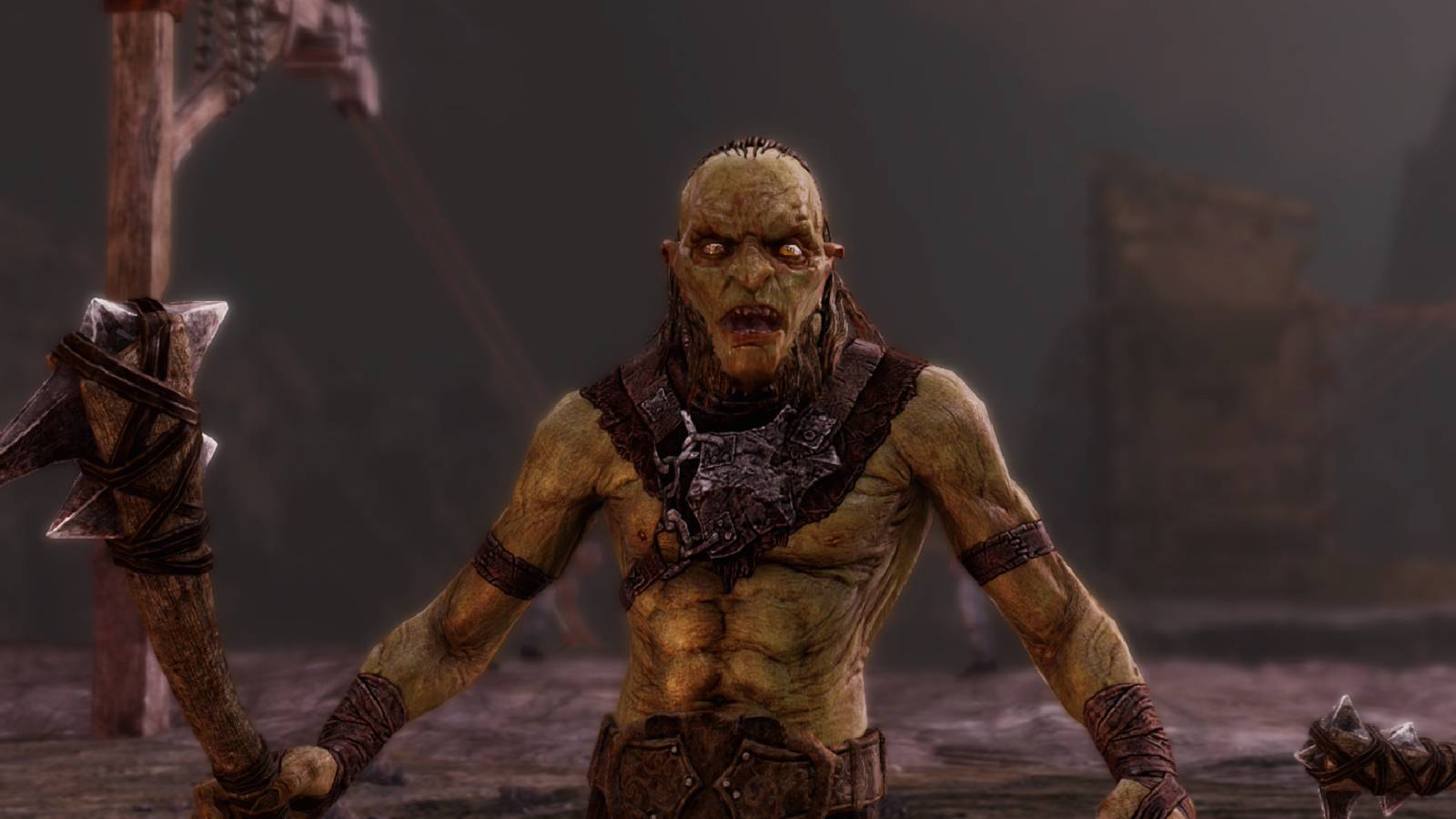
Published Sep 30, 2026, 12:00 PM EDT Ben Brosofsky has been writing for Screen Rant since 2022 and editing since 2024. He graduated from Vanderbilt University with a Bachelor's in Cinema & Media Arts. Writing serves as a much-needed distraction from tackling a backlog of Steam games that will never be surmounted. Middle-earth: Shadow of Mordor and Middle-earth: Shadow of War are flagship games for The Lord of the Rings franchise, for better or worse. On one hand, they deliver fundamentally pleasurable gameplay, mixing Assassin's Creed and Batman: Arkham with some fresh ideas of their own. On the other hand, the spirit of the games could hardly be further from Tolkien's original text, something that players will simply have to accept if they want to turn off their brains and kill a bunch of orcs. Thanks to the Nintendo Switch 2 ports of both games, The Lord of the Rings fans now have a new way to answer that call. While the games' original developer, Monolith Productions, shut down last year, port-focused studio Aspyr is bringing the games (and their DLCs) to Switch 2 both individually and as a bundle. In some ways, this might be the best way to play the Middle-earth: Shadow games, but the Switch 2 ports still come with some limitations. Middle-Earth: Shadow Of Mordor Is Largely Unchanged On the first go-round, Middle-earth: Shadow of Mordor was a relatively early example of what the PlayStation 4 and Xbox One could do. While the game also came to the PS3 and Xbox 360, it looked much better on the newer systems, and it's aged well over the 12 years since its release. While it's not graphically mind-boggling in 2026, the character models and animations remain a real highlight, bringing the roster of orcs to life with plenty of personality and swagger. The Switch 2 is more powerful than the original PlayStation 4, though, with better hardware in some regards and a number of more efficient architectural advantages. It's not a massive gulf by any means, but the new hardware gave Shadow of Mordor a chance to add some upgrades. Unfortunately, that doesn't particularly appear to be the case. The game still runs at 30 FPS and looks much like it did on previous consoles, falling short of the superior PC version. If you're fine with the frame rate, this generally works out fine. Shadow of Mordor still looks solid when docked, and the Switch 2 hardware advantage shines when it's undocked. The game is visually comparable in both modes, and playing it undocked feels like the ideal Shadow of Mordor experience (more on that later). As far as bugs, I've had a bit of trouble with the game's audio. The default mix on Shadow of Mordor seems to de-prioritize dialogue to a bizarre degree, although that can be adjusted with some aggressive tweaks to the audio sliders. More problematically, I've had the music switch to left-ear-only when suspending and re-opening the game in handheld play, which I haven't noticed with other Switch 2 titles. In all other regards, though, I've experienced no technical issues with what I've played. Shadow Of War Takes A Handheld Hit While Shadow of Mordor makes no notable compromises in handheld mode, the same can't be said for Shadow of War. Docked, Shadow of War looks generally OK, though the gulf between it and the PC version is wider than with Shadow of Mordor. The performance is also comparable, targeting 30 FPS and seemingly avoiding any noticeably problematic drops. In this case, however, the game cuts the quality in handheld mode, delivering smudgier graphics that do no favors to the gleaming city of Minas Ithil. On the smaller screen, it's not as objectionable as it would be on a TV, but it leaves the game looking worse than its predecessor. The photos above offer a functional comparison when enlarged, with the first image docked and the second undocked. Quality can vary by location — the third image highlights a particularly compromised example, but it looks better in confined cave environments. In Shadow of War's favor, the default audio mix seems normal, and I didn't experience the left ear issue when suspending and resuming the game. The Middle-Earth: Shadow Games Are Best On The Go If you've never played either of these games, your interest in mindless but satisfying action will make or break them. The star of the show is the iconic Nemesis system, which shifts orc ranks based on your interactions with them and creates a more personalized adventure. You'll spend a lot of time running around orc camps and slaying any that cross your path, but tracking down unique foes provides a bit of extra variety on top of the main story missions. Powerful abilities and the potential for effective stealth offer plenty of ways to tackle the challenges in the Middle-earth: Shadow games, but they also seek to ensure you never have to think too hard about what you're doing. By default, a comical number of tips appear endlessly on-screen, offering constant reminders of combo controls and begging the player to use gimmicks like "Wraith World" to do simple tasks like finding healing herbs. In a way, the Switch 2 feels like the ultimate destination for the games. Spamming buttons to tear through orcs isn't a very meaningful interpretation of The Lord of the Rings, but it feels perfectly at home in a handheld gaming experience. If you're planning to play exclusively in docked mode, though, there's no particular reason to recommend the new Middle-earth: Shadow of Mordor and Shadow of War ports over previous versions of the games. Systems Released September 30, 2014 ESRB M for Mature: Blood and Gore, Intense Violence Developer(s) Monolith Publisher(s) Warner Bros. Interactive Engine lithtech Franchise The Lord of the Rings
Middle-Earth: Shadow Bundle Switch 2 Impressions - Meat's Back On A Smaller Menu
Full Article
Original Source
Read the full article at Screenrant →KhanList aggregates and links to publicly available news content. We do not host full articles from third-party sources. Always verify important information with original sources.