
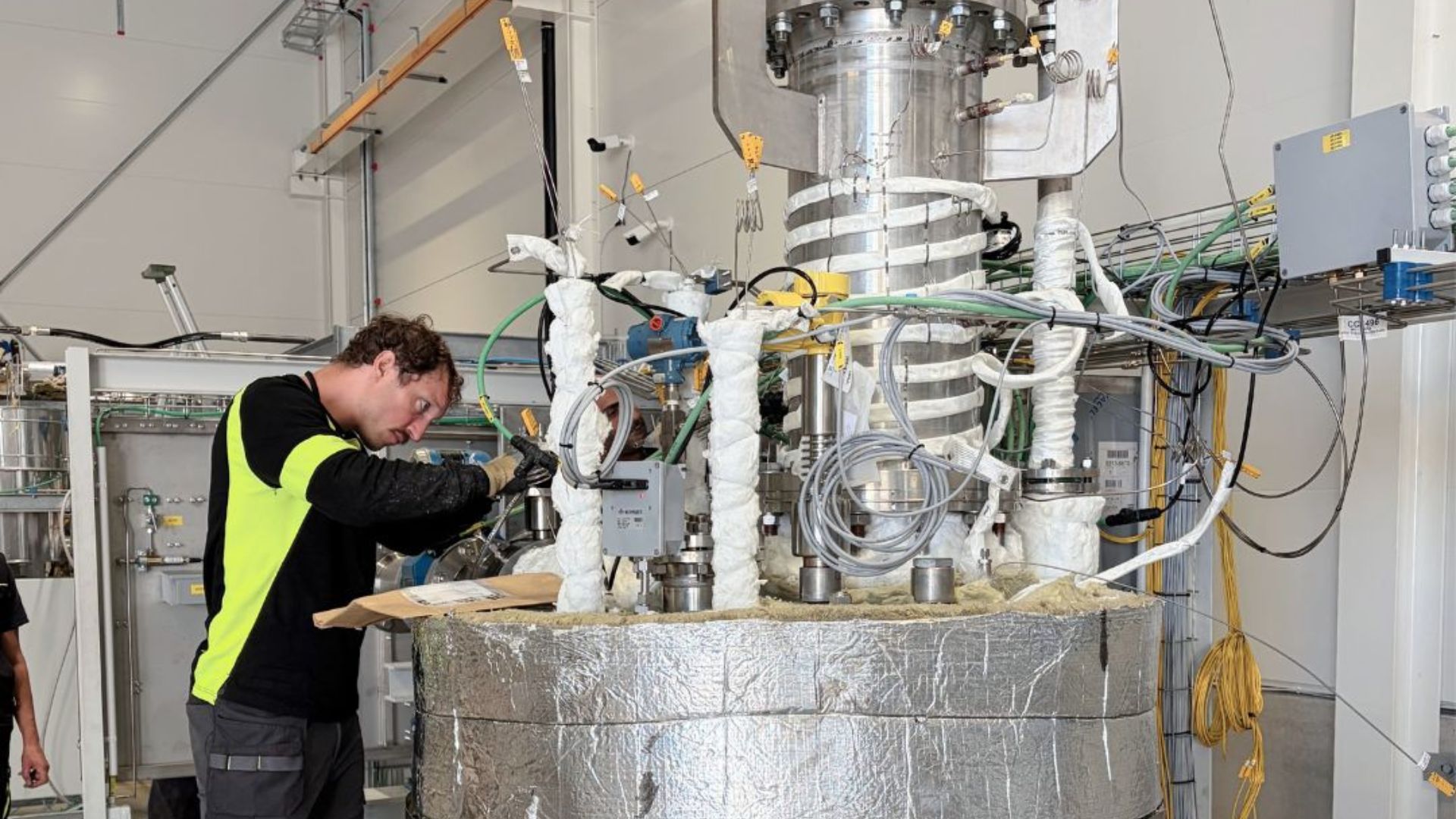
Nuclear technology company Blykalla has deployed a new computational platform developed with Microsoft to clear licensing and regulatory hurdles for its lead-cooled reactors. The system automates the evaluation of reactor data against strict regulatory criteria. By converting complex test datasets directly into compliant technical filings, the company plans to shorten licensing preparation cycles from years to months. The software platform supports active licensing bids in two countries. In Sweden, Blykalla is moving forward with plans to construct two advanced reactor parks. In the United States, the company is using the platform to handle technical filings for pre-application discussions with the Nuclear Regulatory Commission. Operating in both English and Swedish, the digital system is designed to cut documentation time and resources by 90% without lowering nuclear safety standards. “Together with Microsoft, we aim to take licensing documentation from years to months, cutting time and resources by 90% while keeping the rigor regulators expect,” said Jon Christensen, Head of AI at Blykalla. The physical reactor behind this computational workflow is the Swedish Advanced Lead Reactor, known as SEALER. Unlike traditional commercial reactors that rely on light water, SEALER uses molten lead as a coolant. Lead-cooled reactors are not entirely new; they were first deployed in the 1960s. However, there are metallurgical problems as well. At sustained high temperatures, liquid lead leaches essential elements—specifically iron and nickel—out of standard stainless steel. And as the time passes by, this chemical leaching is bound to weaken critical nuclear reactor components and structural walls. Blykalla resolves this long-standing degradation mechanism through a patented material innovation: steel alloyed with aluminum. Under high-temperature reactor conditions, the aluminum creates a stable protective boundary on the steel’s surface. This barrier prevents the molten lead from stripping away iron and nickel. SEALER, Blykalla’s advanced modular reactor (AMR), utilizes the company’s breakthrough materials innovation – a proprietary and patented aluminum alloyed steel that can withstand the corrosive nature of liquid lead – thereby enabling commercialization of lead-cooled fast reactors, according to the company. Modular architecture with US engineering expansion The high boiling point and low operating pressure of molten lead also eliminate the need for massive, high-pressure containment vessels. As a result, the SEALER design is compact and modular. These small modular units can be built off-site and transported directly where energy is required, bypassing the need for long-distance electricity transmission. The self-contained cooling layout enables the reactors to sit directly beside large industrial operations and massive digital data centers that demand steady, round-the-clock power. To prepare the hardware for North American infrastructure, Blykalla recently launched an engineering facility on Barton Springs Road in Austin, Texas. The engineering team in Austin is tasked with adapting the lead-cooled systems to American utility networks and industrial standards. Working alongside these physical design efforts, the software tools built with Microsoft convert engineering documentation, test data, and safety analyses into compliant regulatory filings for both European and American authorities.Get the latest in engineering, tech, space & science - delivered daily to your inbox.An active and versatile journalist and news editor. He has covered regular and breaking news for several leading publications and news media, including The Hindu, Economic Times, Tomorrow Makers, and many more. Aman holds expertise in politics, travel, and tech news, especially in AI, advanced algorithms, and blockchain, with a strong curiosity about all things that fall under science and tech.
Microsoft helps Blykalla cut lead-cooled reactor licensing prep from years to months
Full Article
Original Source
Read the full article at Interestingengineering →KhanList aggregates and links to publicly available news content. We do not host full articles from third-party sources. Always verify important information with original sources.