
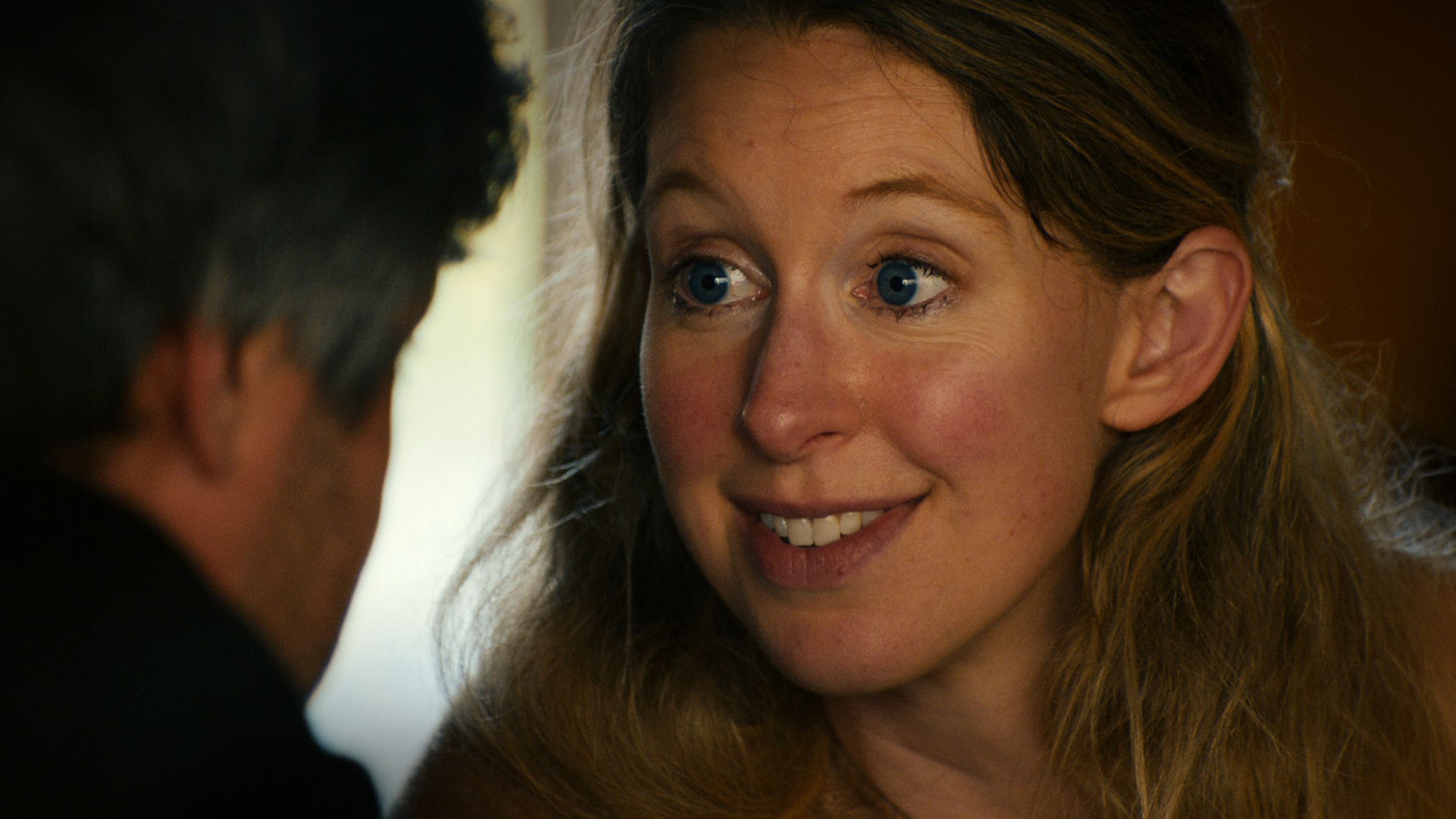
When the documentary You Can See Everything unexpectedly smashed box office expectations with a massive $15 million opening, it got people talking. But it wasn’t just the film’s sheer shock value that had the internet buzzing. It was the teaser trailer released 40 days before the theatrical premiere that no one could initially look away from. The trailer featured lingering extreme close-ups of Elizabeth Holmes’ face that unsettled audiences everywhere. Viewers took to social media to share their sense of unease. But many couldn’t quite put their finger on why Holmes made them feel so off-kilter. Microexpression specialists are now breaking down the exact psychological triggers behind the viral reaction. The data reveal that our brains are responding to a deeply conflicting mix of emotions. Decoding the dissociative gaze The first piece of the puzzle lies in her eyes. On her Instagram, Facial Action Coding System (FACS)-certified expert Annie Sarnblad points to what she describes as a “dissociative gaze.” Psychologists have often referred to this involuntary defense mechanism as a “thousand-yard stare.” It typically communicates extreme stress and difficulty processing past traumatic events. When a person feels this level of extreme overwhelm, their mind may detach from the present moment. For the viewer, this blank, unblinking fixation triggers an innate survival warning. Sarnblad notes it “triggers our nervous system, putting us on high alert.” Yet, that vacant stare doesn’t exist in isolation. Paired directly with Holmes’ hollow eyes is her intentional, forced grin. Sarnblad compares it to the exaggerated smile of Batman’s arch-nemesis, the Joker. You may have also seen similar expressions used to unnerve audiences in Paramount Pictures commercial hits Smile and Smile 2. The mask of a brave smile People can interpret an unblinking, detached gaze paired with an open smile in multiple ways. Sean Johns, a Body Language Expert with BodyLytics, shared his reaction to Holmes’ expression with Upworthy: “Her eyes and her smile are telling two different stories, and that’s why the clip gets under people’s skin.” Johns continued, “We make that face when something startles us.” She’s also trying to appeal to someone: take this in, please agree with me. The top half of her face says, ‘Please believe me.’ The bottom half, meanwhile, says that she’s fine.” Our brains struggle to reconcile the two contradictory expressions. A fascinating collision of human psychology This jarring emotional cocktail makes more sense, however, in context. The documentary was filmed inside Holmes’ personal residence, just four tense weeks before beginning her 10+ year prison sentence for corporate fraud. Sean Johns told Upworthy, “She wants this documentary crew to believe her. Holmes is weeks from prison, on camera, with someone openly doubting her—almost anyone’s face would be working this hard.” You Can See Everything offers a rare, complex look at how humans behave under extraordinary pressure, especially when they are desperate to be believed. For audiences, it’s a pivotal moment when pop culture and psychology collide.
Microexpressions experts share the reasons why people find Elizabeth Holmes’ film clip so unsettling
Full Article
Original Source
Read the full article at Upworthy →KhanList aggregates and links to publicly available news content. We do not host full articles from third-party sources. Always verify important information with original sources.