
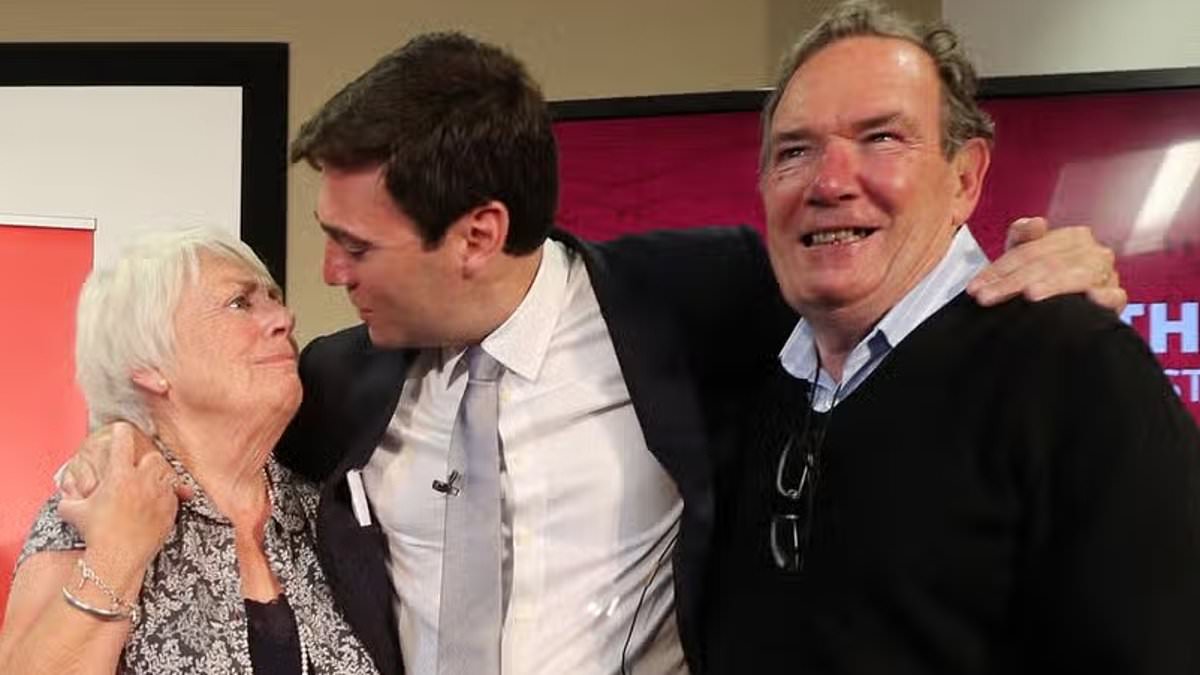
Published: 18:00 EDT, 30 September 2026 | Updated: 19:49 EDT, 30 September 2026 People affected by dementia have paid the price for decades of political failure on social care, but the Prime Minister’s vision of a National Care Service – informed by his own family’s heartbreaking experience of this disease – could bring about a truly seismic shift.About 70 per cent of older care home residents are estimated to be living with dementia, and so we cannot have a meaningful debate about social care reform without talking about dementia.More than half of people with dementia fund their own care, and behind the statistics are families at breaking point – for them, social care reform cannot come too soon. At Alzheimer’s Society we hear every day from people across the country who turn to us, desperate for help.Families are struggling to navigate disjointed NHS and social care systems, unpaid carers are stretched beyond breaking point and people are facing ruinous care costs.We would never accept people diagnosed with another major health condition, such as cancer, being denied the support and compassionate care they need, so why should we for dementia?We don’t even have ambitious targets for dementia diagnosis and follow-up care – surely that’s the least we should expect when it comes to the UK’s biggest killer.For so long there have been collective shoulder shrugs from politicians, clinicians and society itself – all resigned to the belief that, when it comes to dementia, there’s not much to be done. Now, however, there is hope and a huge opportunity.Andy Burnham's policy has been informed by his father's struggles with dementia Michelle Dyson is the chief executive of Alzheimer’s SocietyIt truly feels like we have reached a pivotal moment in the treatment of dementia. The science is flying. Apart from diagnostic blood tests and treatments that can slow down Alzheimer’s in its early stages, we are learning how we can reduce our risk of dementia.It is now clear that, far from being an inevitable part of ageing, dementia is a disease like any other – one that can be prevented, diagnosed and treated.And if we crack this, there will be far less pressure on the social care system.That’s why we must see urgent progress, to reduce the pressure on both the NHS and social care, and help prepare for the introduction of a National Care Service.We commend the Prime Minister’s vision. But the success of his reforms will ultimately be judged by their results – whether people living with dementia receive the care, treatment, dignity and support they need today, as well as in the future.Dementia is one of the biggest health and care challenges of our time.But if it gets the investment and prioritisation it urgently needs, we can improve the health, care and outcomes for millions of people.Michelle Dyson is the chief executive of Alzheimer’s Society
MICHELLE DYSON: Families are at breaking point - this is a seismic opportunity that has to succeed
Full Article
Original Source
Read the full article at Dailymail →KhanList aggregates and links to publicly available news content. We do not host full articles from third-party sources. Always verify important information with original sources.