
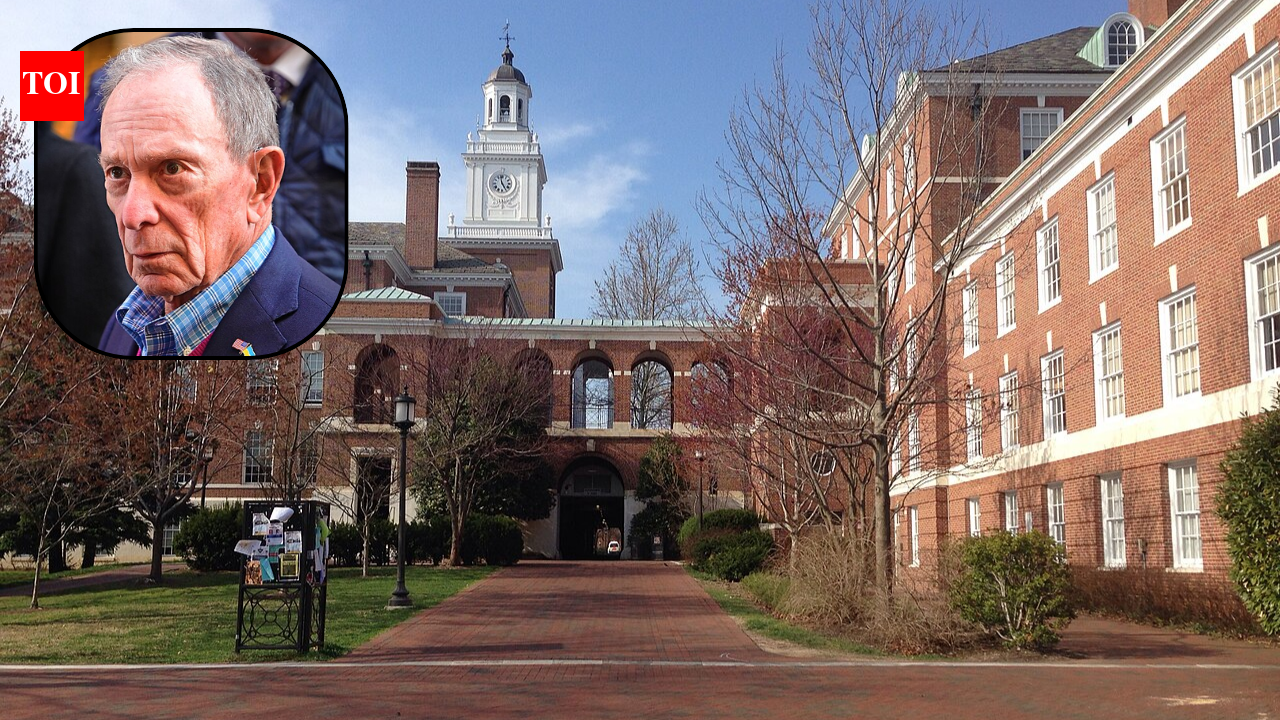
Bloomberg's $1B gift to Johns Hopkins made medical tuition free for families earning under $300K (Image Credit: Wikipedia)For many students, getting into medical school is only the beginning of a much bigger financial challenge. Tuition, accommodation and everyday expenses can make years of professional training difficult to afford. In July 2024, Bloomberg Philanthropies announced a $1 billion gift to Johns Hopkins University to help ease that burden. According to Johns Hopkins University President Ron Daniels’ official announcement, the donation expanded financial aid across graduate programmes, with a major change for medical students: those from families earning less than $300,000 a year became eligible for free tuition, while students from families earning up to $175,000 could receive support for both tuition and living expenses.A donation aimed at reducing the cost of higher educationThe gift came from Bloomberg Philanthropies, founded by Michael R. Bloomberg, who graduated from Johns Hopkins in 1964 with a degree in electrical engineering. The donation was directed towards graduate financial aid, with the university seeking to make advanced education more accessible to students who might otherwise struggle with its cost. This was not Bloomberg’s first major contribution to the institution. In 2018, he pledged $1.8 billion to Johns Hopkins to expand undergraduate financial aid. That donation enabled the university to provide need-based financial aid without requiring students to take out loans as part of their financial aid packages.The 2024 gift focused on students pursuing advanced degrees, including those preparing for careers in medicine, nursing, public health, research and other fields. For Johns Hopkins, the aim was to make sure that a student’s financial background did not become a deciding factor in whether they could pursue further education.How the medical school funding worksThe most significant change was introduced at the Johns Hopkins School of Medicine in autumn 2024. Under the new financial aid arrangements, students from families earning less than $300,000 annually became eligible for tuition-free medical education. A second level of assistance was created for students from families earning up to $175,000 a year. Those who qualified could receive support covering tuition, fees and living expenses.The two thresholds serve different purposes. Students who qualify under the $300,000 limit receive help with tuition, while the broader package for those under the $175,000 threshold also addresses the cost of living during medical training. Johns Hopkins said the $300,000 income limit covered families representing approximately 95% of Americans. The lower threshold for assistance with living expenses covered nearly 85% of US families. The university also estimated that nearly two-thirds of students entering its medical school in autumn 2024 would qualify for either free tuition or the more comprehensive financial aid package.The changes were intended to benefit eligible incoming and returning students, rather than being restricted to those joining the school that year. As with other need-based aid, eligibility depends on students meeting the university’s financial requirements.Support for students beyond medical schoolThe $1 billion gift was not reserved exclusively for future doctors. Johns Hopkins planned to use the funding to expand financial assistance across several graduate programmes. Students at the School of Nursing and the Bloomberg School of Public Health were among those expected to benefit. Other areas included engineering, education, business, arts and sciences, international studies and the Peabody Institute. The university also included its planned School of Government and Policy in its wider graduate education plans.The form of assistance varies by programme. It can include need-based scholarships and fully funded PhD fellowships, helping students manage the cost of studying while pursuing research or professional training. Rather than giving every graduate student the same amount, the university intended to direct financial support through its individual academic divisions. This allowed each school to address the needs of students enrolled in its programmes.Why Michael Bloomberg chose to support educationBloomberg’s own experience as a student has shaped his approach to financial aid. He attended Johns Hopkins with assistance from a federal scholarship programme and earned money through a campus job. His contribution reflects the view that access to education should not depend entirely on a family’s ability to pay. For medical students, in particular, the cost of training can influence how much debt they take on before beginning their careers.Reducing tuition and, for eligible students, covering living expenses could give graduates more flexibility when making decisions about their future. It may also help students consider careers in research, public health and other areas where financial rewards are not always the primary motivation. The university’s wider goal is to attract students with strong academic potential from different economic backgrounds and prepare them for work in fields that serve the public.A lasting commitment to graduate financial aidJohns Hopkins described the $1 billion contribution as a long-term investment in graduate education, with funding intended to support financial aid in perpetuity. The impact goes beyond the headline announcement about medical school tuition. The gift also strengthens assistance for students in selected graduate programmes, including those preparing for careers in healthcare, science, education and public service.Not every student automatically receives free tuition or help with living costs; the benefits depend on family income, financial need and programme eligibility. Even so, the scale of the donation gives Johns Hopkins a substantial source of funding to help students manage the cost of advanced education.For students considering medical school or other graduate degrees, the initiative addresses one of the biggest barriers to pursuing further study: the financial commitment that comes with it.
Michael Bloomberg’s $1bn gift made Johns Hopkins medical school tuition-free
Full Article
Original Source
Read the full article at Timesofindia →KhanList aggregates and links to publicly available news content. We do not host full articles from third-party sources. Always verify important information with original sources.