
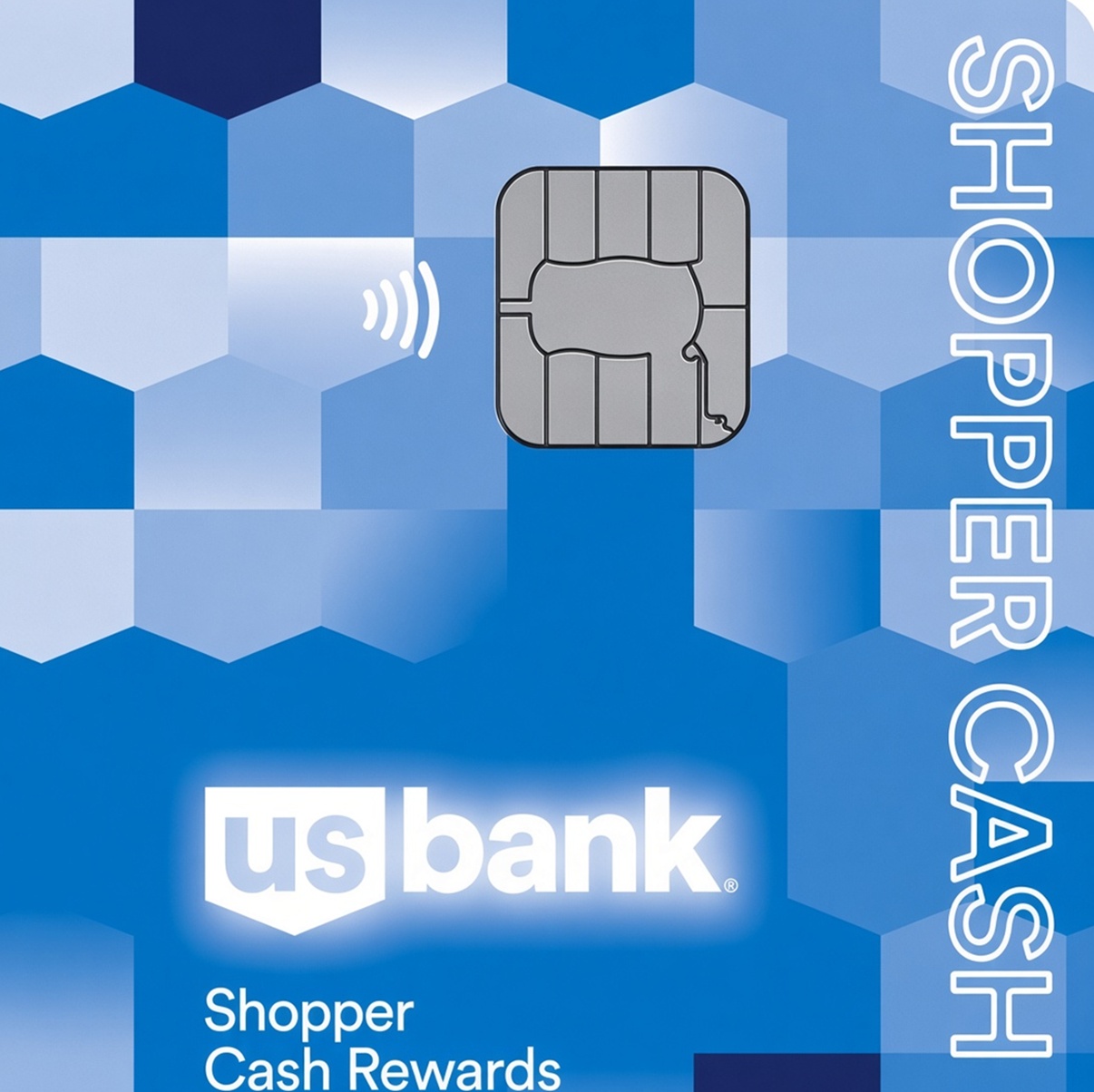
Metal credit cards used to be a status symbol. Now they’re de rigueur. If a premium card with a hefty annual fee arrives as flimsy plastic, customers think the bank cheaped out. Metal doesn’t make the card better, but flimsy plastic makes it feel low end. I’ve argued that metal cards have become basic. Issuers still spend perhaps an extra $15 per card because they don’t want a premium product to look cheap, but the material itself has gone from differentiator to defensive necessity. So banks need a new trick. Now there are cards that light up when you pay. The Card Lights Up, But Doesn’t Glow In The Dark? Erste Bank and Austria’s Sparkassen have launched a limited-edition spark7 youth debit card. It is black with rainbow artwork, and part of the design illuminates when the card is held near a contactless payment terminal. The card is being offered through November 15 as part of an “Unlimited Cool” campaign directed at Generation Alpha and Gen Z. The bank is treating the card like a streetwear drop, complete with matching gaming chairs, popcorn machines, dumbbells and bath bombs. Erste calls it Austria’s first illuminated debit card. Despite descriptions of this as a “glow in the dark” card, it doesn’t absorb light and continue glowing. There is no battery, either. The contactless terminal creates a magnetic field that powers the payment chip. The card diverts a small amount of that energy to its light-emitting diode. That also means the light doesn’t confirm that a transaction was approved. It can illuminate as soon as the card encounters a sufficiently strong contactless field even if the payment eventually fails. And it won’t perform its trick when the card is inserted, swiped, used online or replaced with Apple Pay. A genuinely glow in the dark card is much simpler. Cash App offered one in the United States for $5 beginning in 2020. That card used phosphorescent material that had to be exposed to light first, much like a glow-in-the-dark sticker. Europe Is Turning Payment Cards Into Collectibles Revolut launched a physical Dogecoin-themed crypto debit card in Britain and Europe. The sunglasses on the Doge image light up whenever the card is tapped. The company is charging £24.99 or €24.99 for the special edition card. Our first physical crypto card: – Dogeeeeeeeee– Zero exchange fees– LED lights up when you tap to pay– Spend everywhere Visa and Mastercard are accepted Available in the UK and EEA (except Hungary, Switzerland and Portugal). Initial supplies may be limited. Crypto card… — Revolut (@Revolut) May 18, 2026 Romania’s Banca Transilvania offers an organic light-emitting diode card tied to the UNTOLD music festival. Instead of placing a single light behind a bank logo, the panel can illuminate a more elaborate section of the artwork. The card was produced by IDEMIA in the United States. French crypto fintech Deblock combines both status gimmicks: a stainless-steel card that weighs 14 grams and includes battery-free lighting. It charges €99 for the optional card. And an earlier Erste Group campaign may be the best evidence that consumers really will respond. Czech bank Česká spořitelna issued 2,000 illuminated cards tied to the game Kingdom Come: Deliverance II. Each weekday it released 100 cards through its banking app. According to the campaign agency’s case study, each batch disappeared in an average of 4.6 seconds. The bank expected perhaps 200 daily applications and received more than 6,000. One-third of surveyed noncustomers said they would be willing to open an account just to receive the card. U.S. Bank Already Tried This We haven’t seen this happen here much yet, but U.S. Bank introduced its Shopper Cash Rewards Visa Signature in October 2022. The card earned as much as 6% cash back at Amazon, Target, Home Depot and Walmart, and a limited number of applicants received a metal-composite version whose U.S. Bank logo illuminated during contactless payments. U.S. Bank called it the card like it in the market and offered it at no extra charge while supplies lasted. CompoSecure manufactured it by cutting a cavity into its metal card construction for a separate, battery-free lighting assembly. The initial run sold out. Some customers received an insert saying that overwhelming demand meant they were getting an ordinary plastic card instead and could register for a future illuminated version. The card had a $250 initial bonus, waived its $95 annual fee for the first year and earned up to 6x. So how much of it was the light up versus the value prop versus the limited supply? And Walmart 6x was silly since Walmart stores in the United States haven’t accepted contactless cards. Walmart only began rolling out tap-to-pay on August 24, 2026, two months after the Shopper Cash Rewards card closed to new applicants. Some cardmembers liked it, while others reported that the illumination was dim or difficult to trigger. One cardholder who received an illuminated version this year described plans to enjoy the light show at Nordstrom and then move along to another U.S. Bank card. Another warned against getting the card for the light because it was barely visible. The Technology Is Readily Available The same companies that produce ordinary U.S. payment cards can make illuminated ones. CompoSecure manufactured the U.S. Bank card and markets an illuminated metal card. IDEMIA’s Starlight tech is certified by Visa and Mastercard, and at least one European illuminated card was manufactured at its U.S. operation. CPI Card Group has developed a card using the same contactless power-harvesting approach. Thales and Giesecke+Devrient offer their own versions too. A card has to power the secure chip and the light without compromising contactless range. It needs to remain within standard dimensions and survive bending, flexing, heat and years in a wallet. Metal makes antenna performance more complicated. We probably haven’t seen it as much in the U.S. as in Europe because contactless acceptance took longer to catch on here, and is being overtaken by mobile wallets. But it’s something issuers can do within the budget they already spend on physical cards. A conventional heavy metal inlay costs runs $10 – $15 per card Passive glow in the dark pigment on plastic would be super cheap! But do the light on a heavy metal card and you’re talking roughly $20 – $25 An IDEMIA-commissioned survey across 12 countries found that 82% expressed interest in a light-up card. That’s from a company trying to sell light-up cards! And it’s an easy question to say yes to. Unclear whether it’ll drive application decisions. Although card design certainly can – the limited edition Delta 747 Amex crushed it. An airline card could illuminate an aircraft tail or route map. A hotel card could light a skyline or property silhouette. Pick your preferred plane or property! Or just a subtle illuminated pattern on a metal $795+ annual fee card could feel premium. (HT: So Many Points) Topics on this page
Metal Credit Cards Are Old News—Now Banks Are Making Cards Light Up When You Pay
Full Article
Original Source
Read the full article at Viewfromthewing →KhanList aggregates and links to publicly available news content. We do not host full articles from third-party sources. Always verify important information with original sources.