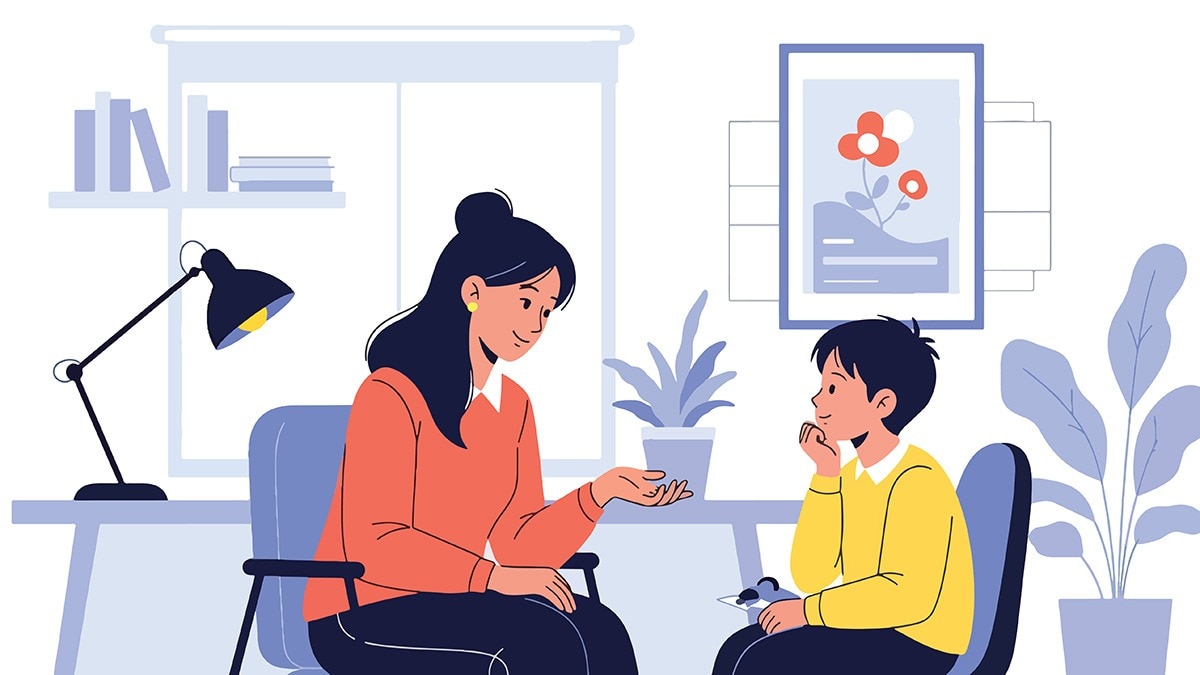
Project Manobal will introduce structured mental health education in government schools to enable students to assess their emotions and seek help when neededFor decades, schools have treated mental health largely as a problem to be addressed when something goes wrong—a student struggling with anxiety, bullying, grief or behavioural issues. Increasingly, however, educators and policymakers are asking a different question: what if mental health could be taught proactively, much like physical health or mathematics?That question is at the heart of initiatives such as the Delhi government’s recently launched Project Manobal, which aims to introduce structured mental health education in government schools. Rather than relying solely on counsellors to intervene during crises, the programme seeks to equip students with the knowledge and skills to understand their emotions, cope with stress and recognise when they or their peers may need support.The idea reflects a broader shift in how mental wellbeing is being viewed worldwide. Instead of focusing only on illness, many experts now argue that schools should help children build emotional resilience from an early age. Research has shown that social and emotional learning programmes can improve classroom behaviour, academic performance and emotional regulation while also reducing stigma around seeking help.But experts caution that simply adding mental health to the timetable will not automatically produce healthier students. “If done well, mental health should be taught much like physical health—not as therapy, but as a life skill,” says psychologist Abhirup Mukherjee of Kolkata. “The curriculum should focus on emotional literacy, stress management, healthy relationships, digital wellbeing and when to seek help, using age-appropriate, evidence-based lessons rather than clinical diagnoses. Crucially, it must be backed by trained teachers, clear referral pathways and parental engagement so that education is paired with support when students need it,” explains Mukherjee.The distinction is important. Mental health education is not intended to replace psychologists or counsellors nor should teachers be expected to diagnose students. Instead, the classroom becomes a space where children learn everyday skills—understanding emotions, resolving conflicts, managing exam stress, recognising unhealthy online behaviour and knowing where to turn when problems become overwhelming.Parents also have a vital role to play, say experts. Children spend only part of their day at school, and lessons on emotional wellbeing are unlikely to succeed if they are not reinforced at home. Encouraging open conversations, reducing stigma and modelling healthy coping strategies can help create a consistent environment in which students feel safe discussing their emotions.Whether Project Manobal succeeds will depend on how it is taught, not just that it exists. Done right, it could quietly make emotional wellbeing as basic a skill as reading or arithmetic.Subscribe to India Today Magazine- EndsPublished By: Shyam BalasubramanianPublished On: Jul 29, 2026 20:11 IST
Mental health be taught like maths? Delhi has a brainwave
Full Article
Original Source
Read the full article at Indiatoday →KhanList aggregates and links to publicly available news content. We do not host full articles from third-party sources. Always verify important information with original sources.