
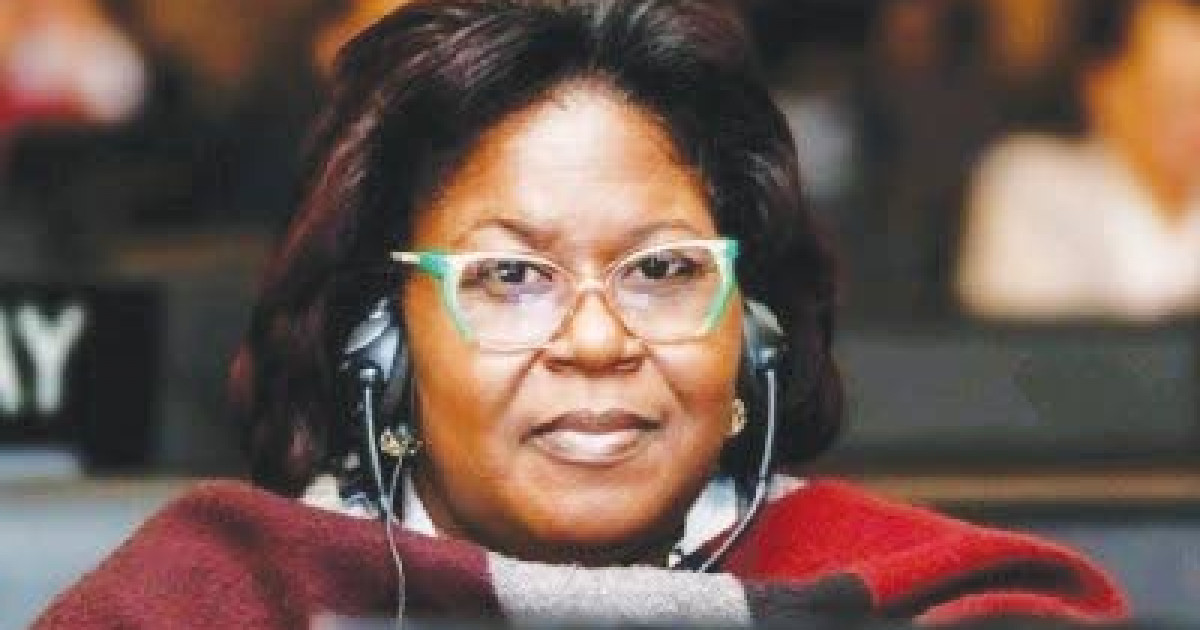
PALMER...the amount of impact on heritage assets stands at $5.2 billion for loss and the damage A significant portion of Jamaica’s heritage assets was lost when Hurricane Melissa battered the island last October, with the possibility that valuable archaeological treasures buried underground were also washed away. According to Debra Kay Palmer, director of world heritage and cultural conventions at the Ministry of Culture, the damage unleashed by Category 5 Melissa extended beyond the parishes of St Elizabeth, Westmoreland, Trelawny, and St James which bore the brunt of the storm’s rage. “It extended to the east where our world heritage properties would also have been impacted, which is the context you may not know. The Blue and John Crow Mountains would have been impacted and to a smaller extent Port Royal,” Palmer divulged during a Hurricane Melissa Data Symposium hosted by The University of the West Indies, Mona in St Andrew on Wednesday, October 28, exactly one year since Melissa’s onslaught. She said data collection in the aftermath of the hurricane from the United Nations Satellite Centre, which provided the initial information on the impact across western Jamaica, had identified 202 properties with varying levels of destruction ranging from sites destroyed, severely damaged, moderately damaged, possibly damaged, and no visible damage. Palmer told the forum that a further damage and loss assessment, which saw the ministry’s agencies going out to verify the data, found that 73 per cent of cultural sites in the St Elizabeth area sustained damage, 64 per cent in Westmoreland, and 35 per cent, 17 per cent and 13 per cent in Trelawny, Manchester, and Clarendon, respectively. She said, however, 75 per cent of all the destroyed sites were found in St Elizabeth and 40 per cent was completely damaged. The amount of impact on heritage assets, Palmer said, stands at $5.2 billion for loss and the damage. She said a subsequent post-disaster needs assessment found that a huge number of the creatives in these areas were impacted. “The loss of that impacted the whole island in relation to creativity,” Palmer said. “While we were looking at built structures we realised that there is a strong possibility that we’ve lost a lot of heritage that was under the ground that would have been washed away — physical damage, economic losses from prolonged disruption to cultural services, heritage tourism, creative industries, all the festivals, all the events that would have taken that period, and even into the new year would have been impacted. So there was significant economic loss,” she told the symposium. To tackle the issues uncovered she said the ministry has developed a recovery strategy focused on strengthening hazard mapping. “Because you can imagine that the culture sector is a bit behind as we look at issues of resilience, as we look at issues of economic physical vulnerabilities. The sector is still trying to catch up and build out our own resilience. One of the things that came out is the information — baseline information — something that we struggled with. While we have information on our inventories — for example, for buildings, for heritage structures — the baseline information across the sector is something that we don’t have and we’re building out,” she said. Palmer said with the help of the UN Economic Commission for Latin America and the Caribbean, the ministry is completing a baseline valuation and visual inspection tool which will help it to begin going through and methodically looking at historic buildings structurally to get the information that it did not have prior to the hurricane. “While we had done damage and loss assessments after Hurricane Beryl [in July 2024], the extent of the work that we have done for Hurricane Melissa, it’s really the first time that we’ve ever done this level of work in relation to assessments of the sector, and so we did not have that strong comparison between Beryl and Melissa to even know where a lot of our vulnerabilities lie,” Palmer admitted, noting that there were “a lot of gaps” that need to be addressed.
Melissa’s hidden toll
Full Article
Original Source
Read the full article at Jamaicaobserver →KhanList aggregates and links to publicly available news content. We do not host full articles from third-party sources. Always verify important information with original sources.