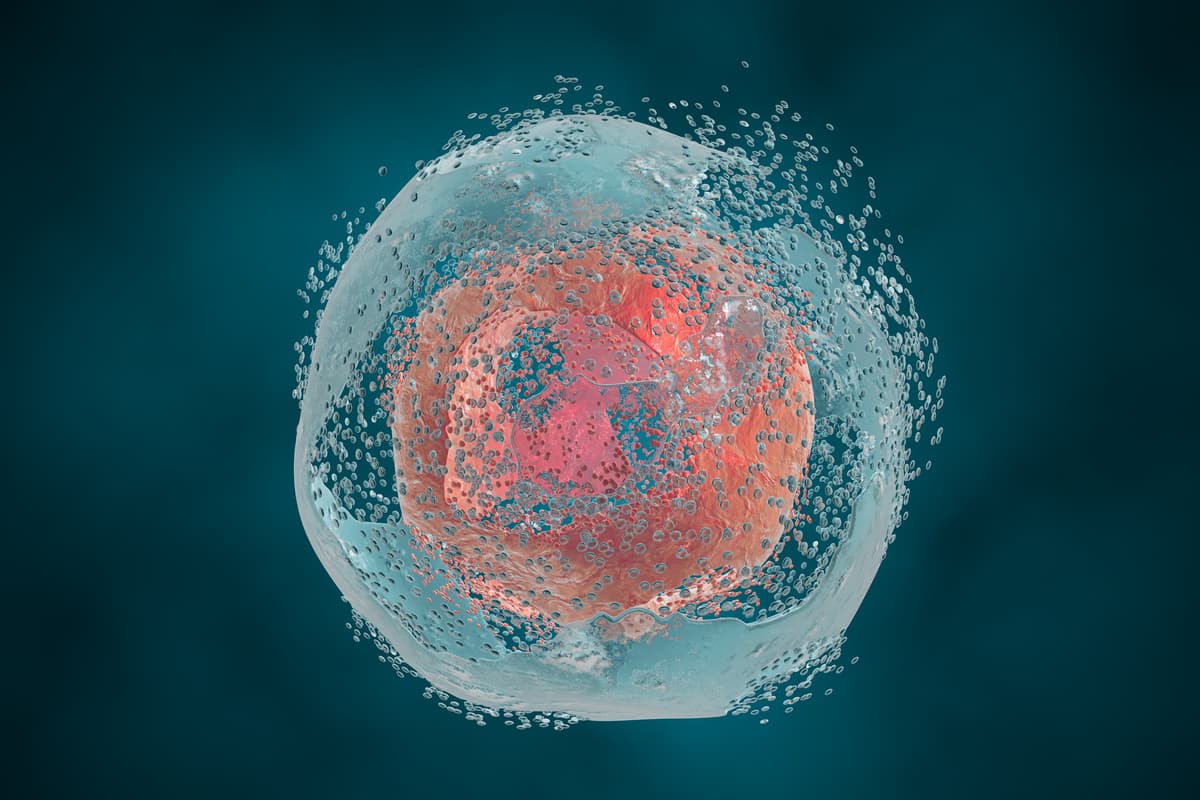
The health of your cells matters more than you might think. The organs and tissues in your body are made up of trillions of cells, and how well these cells function plays an important role in healthy ageing.Throughout your life, your cells are constantly repairing themselves and being replaced. Just as importantly, damaged or worn-out cells need to be removed before they accumulate and disrupt healthy tissue.This quality-control process is known as apoptosis, or programmed cell death. During apoptosis, a damaged or ageing cell receives signals that trigger an orderly self-destruct process. The cell shrinks into small fragments, which are then engulfed and recycled by immune cells called macrophages. Think of it as your body’s internal maintenance system.Yet, when this process becomes less efficient, dysfunctional cells can hang around and contribute to chronic, low-grade inflammation and age-related changes in tissue function. It’s a bit like leaving a rotten apple in a fruit bowl.The good news is there are some easy habits which can help power apoptosis. Eat mitochondrial foods Mitochondria are often called the cell’s “powerhouses” because they produce most of the energy your body needs. They also play a central role in regulating apoptosis. Supporting your mitochondria with a nutrient-rich diet can help maintain healthy cellular function. Focus on foods rich in B vitamins, magnesium and antioxidants, including leafy greens, berries, oily fish, nuts, seeds and legumes. Get your zzzs New research shows that sleep isn’t just about feeling well rested. During sleep, the body carries out many of its repair and maintenance processes, including those involved in healthy cell turnover, so it’s important to get the magic number each night. Build ‘TRE’ into your dayGiving your body a regular break from eating may help support the cellular pathways involved in repair and renewal. Research into time-restricted eating (TRE) suggests that aligning food intake with the body’s natural circadian rhythm can improve metabolic health, including blood glucose regulation, insulin sensitivity and inflammation. Rather than aiming for long fasts, focus on a sustainable 12-hour overnight window. For example, finishing dinner at 7pm and eating breakfast at 7am. It’s an achievable habit.Choose healthy fatsEssential fatty acids (fats your body cannot make and must obtain through food) play an important role in the health of the cell membrane. Because the cell membrane is partly made from fats, the types of fats you eat can influence its structure, flexibility and ability to communicate. Choose omega-3-rich foods such as salmon, sardines, walnuts and flaxseeds, along with monounsaturated fats from extra virgin olive oil, avocados and nuts.Keep blood sugar steadyWhen apoptosis becomes disrupted, it can kill too many cells and cause great damage to tissues. This is the case for cognitive diseases like Alzheimer’s, and according to research one of the contributing factors to cognitive decline is frequent spikes in blood sugar which contributes to chronic inflammation over time — this creates an unstable environment for cells to thrive in. Choosing fibre-rich foods like wholegrains and colourful vegetables helps keep blood sugar steady, reduces inflammation and supports a healthy gut microbiome — all of which contribute to a healthier cellular environment.
Meet your body’s internal maintenance guy: apoptosis — a hero of healthy ageing
Full Article
Original Source
Read the full article at Standard →KhanList aggregates and links to publicly available news content. We do not host full articles from third-party sources. Always verify important information with original sources.