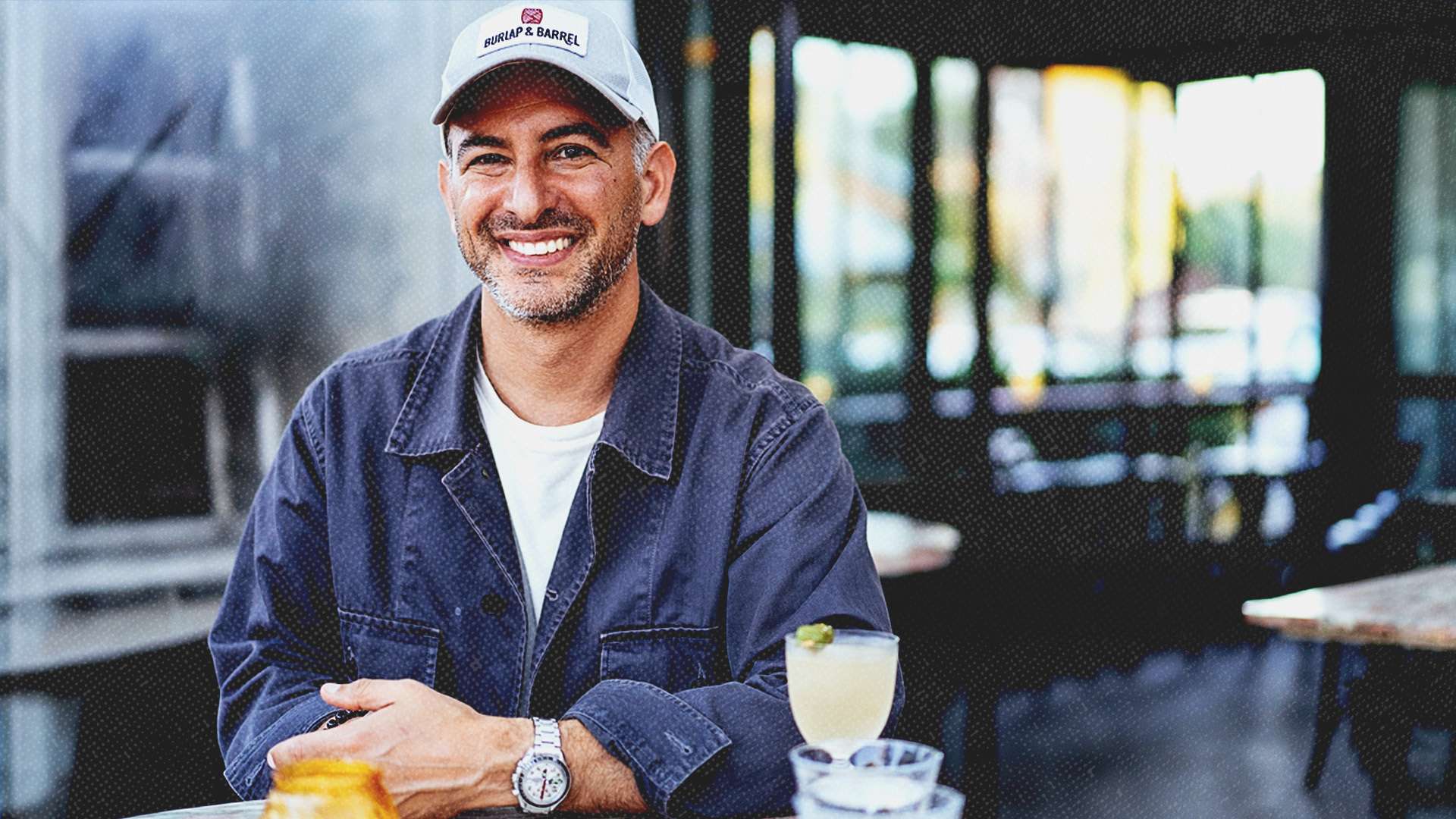
International commerce has changed a lot since the long-ago days when spice traders pieced together the first global network for buying stuff you couldn't grow on your own. One thing that hasn't changed? You still can't get Vietnamese cinnamon without trading with Vietnam, or Herbes de Provence without buying it from someone in France. "That's part of our argument," says Ori Zohar, co-founder of Burlap & Barrel, a single-source spice importer and retailer. "Some of these tariffs, some of the collateral damage from these tariffs, is that they are written in such a broad way," Zohar told Reason. "That's targeting businesses like ours, where there is no domestic alternative." Zohar and his company, with help from the Liberty Justice Center, are suing the Trump administration over the latest set of tariffs announced last week. Those tariffs range from between 10 percent and 12.5 percent—depending on the origin of the imported goods—and are ostensibly meant to combat "forced labor." In reality, the tariffs seem to have little to do with that and look more like a hastily cobbled-together replacement for President Donald Trump's 10 percent "global tariff," which expired last week. This isn't the first time Burlap & Barrel has been hit by Trump's tariffs, nor the first time it has fought back. After the Supreme Court struck down an earlier set of tariffs, the company received about $110,000 in refunds, Zohar says. Now, the new tariffs announced last week could cost his business another $50,000 to $100,000 in the next year. This is now the third time the Liberty Justice Center has taken the Trump administration to court over its tariff regime. So far, the libertarian law firm is undefeated, having won before a federal district court, an appellate court, and the U.S. Supreme Court in the Learning Resources v. Trump case, which overturned tariffs imposed under the International Emergency Economic Powers Act (IEEPA). The group also won its first challenge to the "global tariff," in a case that had Burlap & Barrel as a lead plaintiff, when the Court of International Trade ruled against Trump in May. (That case will continue, despite those tariffs expiring, a spokesman for the firm says.) Like with the IEEPA tariffs, Trump's new "forced labor" tariffs seem to be on shaky legal ground because the Constitution clearly gives Congress power over U.S. tariff policy. "Congress did not delegate authority of such breadth to the president. It cannot constitutionally do so," writes Alan Wolff, a senior fellow with the Peterson Institute for International Trade. "These new tariffs would represent another case of presidential overreach. If they were challenged in court, the Supreme Court would likely overturn them." But the courts can only take action if someone is willing to bring a case. Zohar has braved TV's Shark Tank and built a successful business from the ground up, so he's not one to turn away from a challenge. Even so, he's struck by the big role that small businesses and entrepreneurs, working with a small legal nonprofit, have played in fighting the Trump administration's tariff regime—while bigger companies with teams of lawyers have sat on the sidelines. "A lot of companies are just afraid of the risk or hedging and just doing what they can to protect themselves," he says. "I'm still surprised because the tariffs are so broadly unpopular in all the polling. I'm surprised that the big companies still seem to be handcuffed." Last month, The Wall Street Journal reported that the Liberty Justice Center had spent $3.5 million on its fight against the IEEPA tariffs. "Large companies have largely taken a conciliatory approach, donating to favored projects such as the new White House ballroom, rolling back controversial diversity initiatives and largely avoiding challenging Trump's policies in court," the Journal noted. There is something poetic about a small spice-trading company challenging an attack on free trade. When I ask Zohar about that, he offers an even more apt description of what's happening here. On one hand, the Liberty Justice Center is fighting for "libertarian causes," he says, while his business is run by a bunch of "crunchy liberals" importing single-source spices for home cooks and restaurants who value getting peppercorns that were grown on a small farm in Zanzibar. Whatever other political divisions might exist, the operative question right now is whether you believe people have a right to buy and sell goods without arbitrary taxes never approved by Congress. "We have a really lovely overlap on this issue of tariffs, and so this is a cohesive effort from both sides of the political spectrum," he says. Indeed, there should be nothing political about opposing the president's unilateral power grab and his illegal tax increases on American commerce. More than a year after the first lawsuits were launched against Trump's previous tariffs—and months after that effort was validated at the Supreme Court—it's still the little guys who are stepping up to defend the basic principles of free trade. Let them cook.
Meet The Spice Entrepreneur Challenging Trump's Newest Tariffs
Full Article
Original Source
Read the full article at Reason →KhanList aggregates and links to publicly available news content. We do not host full articles from third-party sources. Always verify important information with original sources.