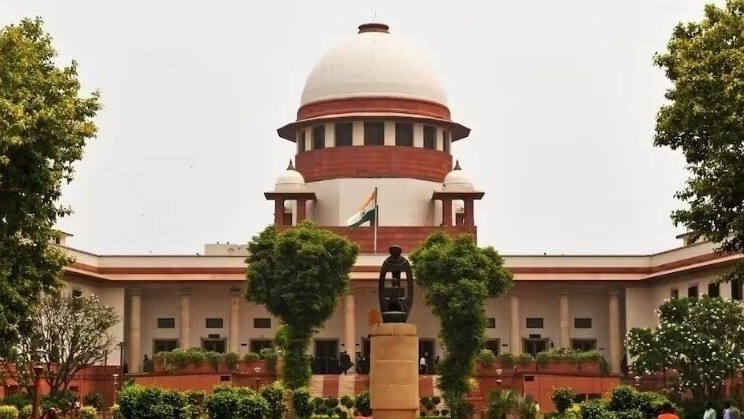
The bench said recognised media organisations are free to continue reporting court proceedings and informing the public about legal developments and judicial pronouncements. However, it emphasised that such reporting cannot include audio or video clips of the proceedings.The clarification came after the court noted that "some confusion persists" over paragraph 11 of its July 24 interim order. The Supreme Court has clarified that its recent interim order restricting the sharing of audio and video recordings of court proceedings does not prevent recognised news organisations from reporting on hearings, clarifying that the restriction applies only to the use of audio-video clips in news coverage.The clarification came after the court noted that "some confusion persists" over paragraph 11 of its July 24 interim order. The earlier order had prohibited the extraction, editing, dissemination, uploading and monetisation of audio-video recordings of judicial proceedings on social media and other digital platforms without prior permission from the Registrar General of the Supreme Court or the concerned High Court. A bench comprising Chief Justice Surya Kant and Justices Joymalya Bagchi and V Mohana observed that the earlier order "is not to be construed as imposing a blanket prohibition on the reporting of court proceedings by recognised news outlets." The bench said recognised media organisations are free to continue reporting court proceedings and informing the public about legal developments and judicial pronouncements. However, it emphasised that such reporting cannot include audio or video clips of the proceedings."In sum, while news outlets may continue to report on the court proceedings, they shall nonetheless remain bound by the restrictions set out in paragraph 10," the court said. Under paragraph 10 of the July 24 order, the court had said: "As an interim measure, it is directed that there shall be no extraction, modification, dissemination, monetisation, posting, reposting and uploading of audio-video recordings of judicial proceedings on social media or other digital platforms without prior permission of the secretary general of this court or the registrar general of the jurisdictional high courts."The clarification was issued while the bench was hearing a batch of petitions relating to the live-streaming and recording of court proceedings. The matter has been adjourned to September 18, giving the Union government, social media intermediaries and High Courts time to file their responses.During the hearing, the court also allowed an intervention application filed by RTI activists opposing a blanket prohibition on sharing court clips, permitting them to assist the proceedings as intervenors.The case stems from a public interest litigation filed by journalist Harshita Grover seeking guidelines to regulate the clipping, editing, dissemination and monetisation of audiovisual recordings of court proceedings on digital platforms. The petition argues that selective and out-of-context circulation of courtroom exchanges undermines the dignity of courts and erodes public confidence in the justice delivery system.Earlier, while issuing the July 24 interim order, the Supreme Court had also sought responses from the Centre, all High Courts and social media platforms, including Meta and X, and directed the Union government to identify the nodal ministries that could implement the proposed regulatory framework.- EndsPublished By: India Today Web Desk Published On: Aug 5, 2026 14:59 IST
Media can report on proceedings without sharing audio, video clips: Supreme Court
Full Article
Original Source
Read the full article at Indiatoday →KhanList aggregates and links to publicly available news content. We do not host full articles from third-party sources. Always verify important information with original sources.