
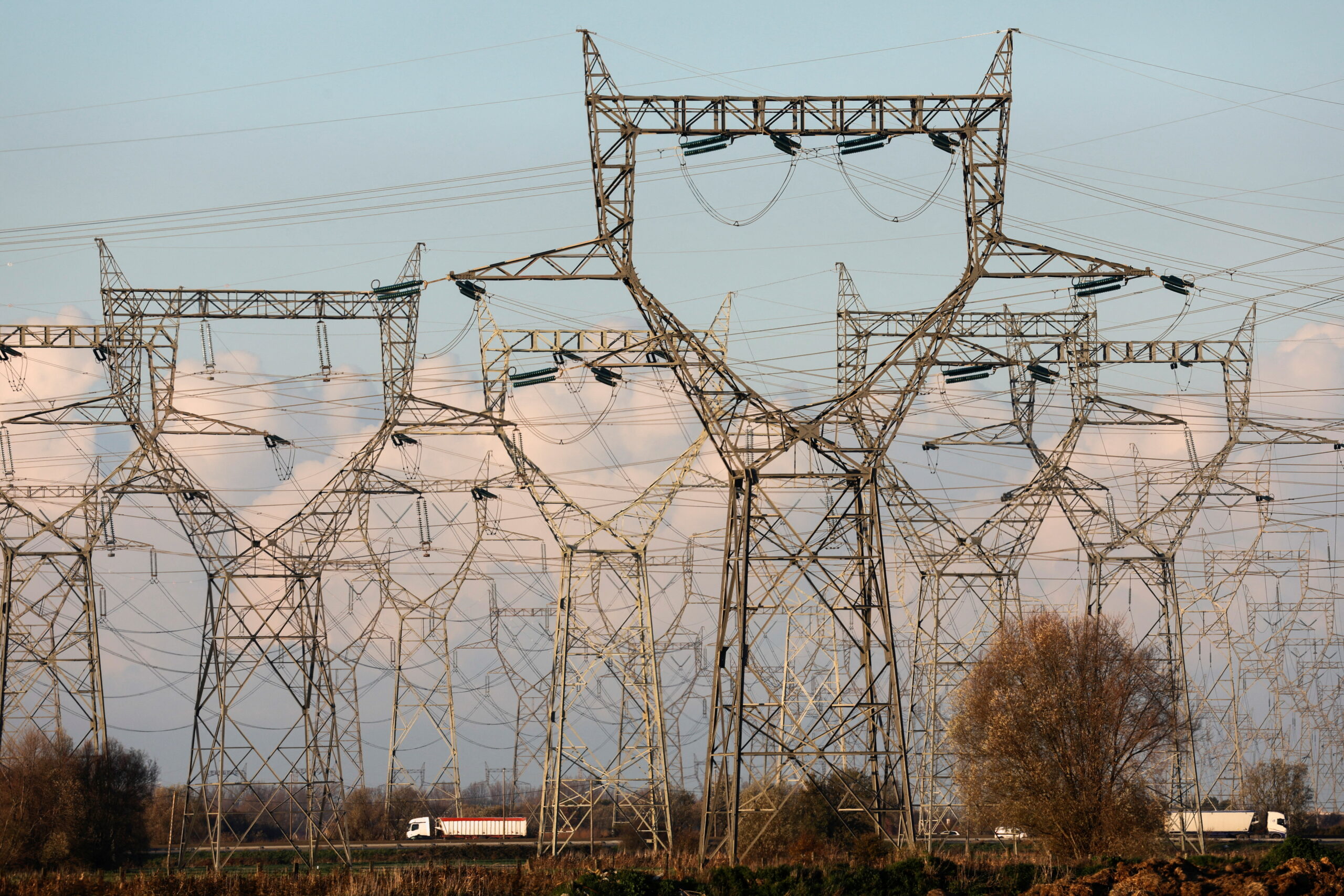
November 10, 2026 • 10:52 am ET Reed Blakemore and Alexis Harmon Bottom Lines Up Front Building the next-generation energy economy will require enormous quantities of industrial materials, in particular copper, steel, and durable plastics and composites.Each material building block faces its own supply chain challenges: copper supply is under strain, steel production remains emissions-intensive, and durable plastics remain heavily dependent on oil and natural gas.Securing the material supply chains needed for the future energy system will require industrial policies tailored to each material’s production economics, supply chain vulnerabilities, and opportunities for innovation. The next-generation energy economy is not just a shift in how power is generated; it is a massive physical buildout. Copper, steel, and durable plastics sit at the center of this transformation, enabling everything from transmission lines and electric vehicles to data centers and modern infrastructure. As economies electrify and energy demand grows, the scale of material demand is expanding accordingly. Despite this reality, policy debates have primarily centered on critical minerals, leaving the broader industrial material base relatively underexamined. Copper faces rising demand from electrification and digital infrastructure alongside long lead times for new supply. Steel accounts for almost one-tenth of global emissions, but transmission towers, wind turbine foundations, and grid infrastructure cannot be built without it. Durable plastics and advanced composites are carbon-based by definition, yet are indispensable to lightweighting, insulation, and performance across energy technologies. This report examines these materials as strategic assets for the new energy economy. It analyzes how economic growth, energy system expansion, and industrial transformation are reshaping demand, where supply risks and market distortions are emerging, and how industrial policy can respond. The central message is clear: transformation of the energy system cannot be delivered without these materials. Managing them effectively will be as important as deploying the technologies they support. view the full issue brief about the authors related content stay connected Sign up for PowerPlay, the Atlantic Council’s bimonthly newsletter keeping you up to date on all facets of the energy transition explore the program The Global Energy Center develops and promotes pragmatic and nonpartisan policy solutions designed to advance global energy security, drive economic opportunity, and foster a sustainable energy future. Image: Electrical power pylons of high-tension electricity power lines are seen in Saint-Folquin, near Gravelines, France, November 29, 2022. REUTERS/Pascal Rossignol
Materials matter: Managing critical commodities for the next-generation energy economy
Full Article
Original Source
Read the full article at Atlanticcouncil →KhanList aggregates and links to publicly available news content. We do not host full articles from third-party sources. Always verify important information with original sources.