
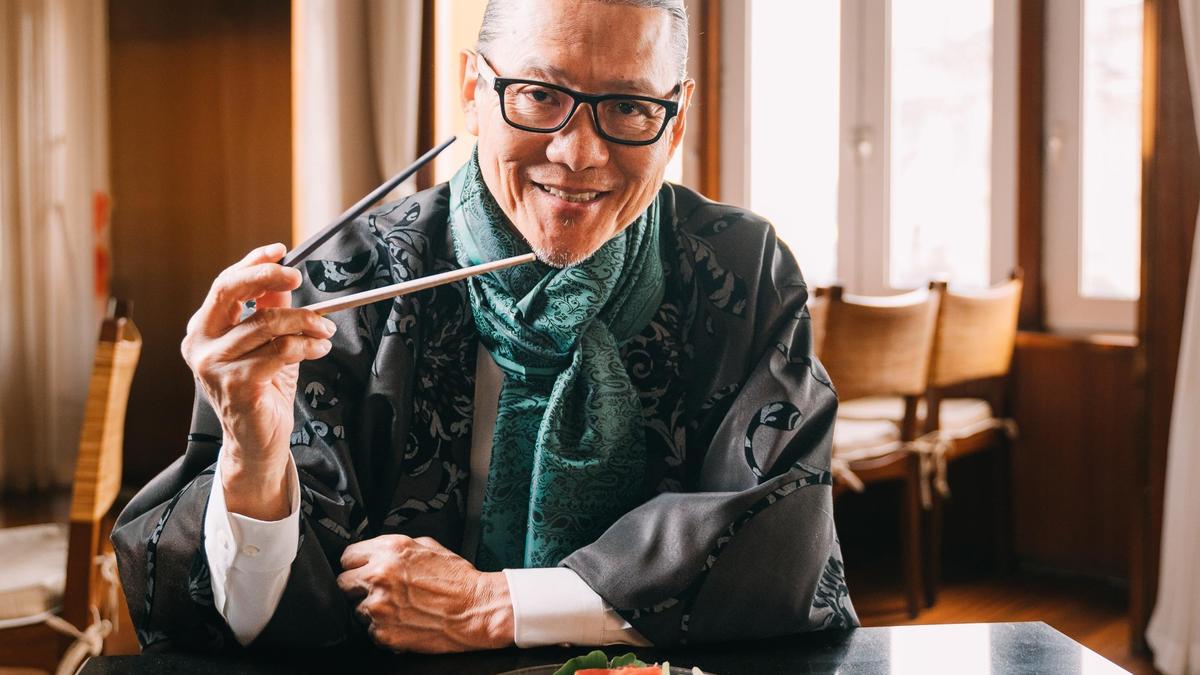
When Masaharu Morimoto opened Wasabi by Morimoto at Mumbai’s Taj Mahal Palace 22 years ago, he arrived with a menu he was confident would work. Within a month, he had to change half of it. “I was told this is a different culture. Most customers here are vegetarians. But I didn’t know how to make Japanese food vegetarian,” he says. He then turned to the temple cooking of Japan’s Buddhist monks and rebuilt the menu.Recently, Morimoto was back in the city to mark the restaurant’s 22nd anniversary and he admits he almost did not come at all. “When the Taj asked me 22 years ago, I was hesitant. It was far away from the United States, and I was worried about how I would control the food quality,” he says. What changed his mind was the hotel itself: its reputation, its kitchen and the people running it. “That is Japanese culture. You match, you shake hands, it’s tight, and that’s it.” Morimoto visits Mumbai once every two years, but remains closely involved in what comes out of the Wasabi kitchen | Photo Credit: Special arrangement Long before he became one of the world’s best-known Japanese chefs, Morimoto wanted to play professional baseball. A devoted fan of his hometown team, the Hiroshima Toyo Carp, he was a talented catcher at school and came close to turning professional before a broken shoulder ended his career. He remains a baseball fan to this day. Cooking began with an apprenticeship at a sushi restaurant, where the owner did not let him touch fish for the first year. Instead, he cleaned, served, chopped scallions and washed rice. He later spent five years at Nobu in New York before opening his first Morimoto restaurant in Philadelphia in 2001. Today, he runs 21 restaurants around the world and has helped create his own sake and beer.Running a kitchen in Mumbai from thousands of miles away, he says, comes down to ingredients and communication. Sushi and sashimi fish are flown in from Japan every week, as Indian waters, though rich in seafood, do not yield fish suited to sushi. He personally approves every supplier the restaurant imports from, sets the menu, trains the staff and stays in regular contact with the Japanese chef who runs the kitchen. He visits once every two years. “Every country is different. In the US, the fish is good, but not the vegetables or fruit. In Europe, the fish is not so good, but the fruit and vegetables are fine. India is in between,” he says.Being the city’s pioneer of Japanese dining is both a source of pride and pressure. “I am very proud, but it’s also a stress. We have to be the top,” he says. In the early years, many of Wasabi’s diners were Japanese expatriates working in the city, ordering sushi, sashimi, ramen and bento boxes. Today, the guests are largely well-travelled diners from India and abroad who know good sushi when they taste it. “I have to focus on real Japanese food,” he says, before offering a line that sums up his philosophy: “Fusion, for me, is confusion.” Nasu salad at Wasabi | Photo Credit: Special arrangement Lunch began, fittingly, with the restaurant’s namesake — fresh wasabi root grated at the table. vThe shiro ebi nigiri, made with the delicate white shrimp of Japan’s Toyama Bay, and the flame-seared yellowtail maki with asparagus and ume plum were excellent, but the vegetarian dishes held their own. Edamame arrived smoked over cherry blossom wood chips and finished with furikake and soy butter, while Hakata eggplant took the place of fish in a nanbanzuke, the traditional sweet-and-sour pickled preparation. The shrimp tempura with spicy sauce, on the menu since opening day, and the black cod miso remain the restaurant’s best-known dishes.His own eating habits are considerably simpler than the menus he creates. He eats one meal a day, usually between 3pm and 5pm, and stopped drinking alcohol five years ago. “Before, I used to drink a lot. Since I stopped, I don’t feel like going out. I stay at home,” he says. At home, he leaves the cooking to his wife, who keeps his diet largely vegetarian, with tofu, soya beans, yoghurt and occasional steamed salmon. He enjoys Indian food, especially the breads and dosa, though he now avoids anything too spicy.For a chef who has battled on television, built 21 restaurants across the world and spent 22 years at the top of Mumbai’s Japanese dining scene, his favourite ingredient is still the one he washed as an apprentice. “Rice,” he says. Some lessons, it seems, are never forgotten.
Masaharu Morimoto: 22 years of getting Japanese food right in Mumbai
Full Article
Original Source
Read the full article at Thehindu →KhanList aggregates and links to publicly available news content. We do not host full articles from third-party sources. Always verify important information with original sources.