
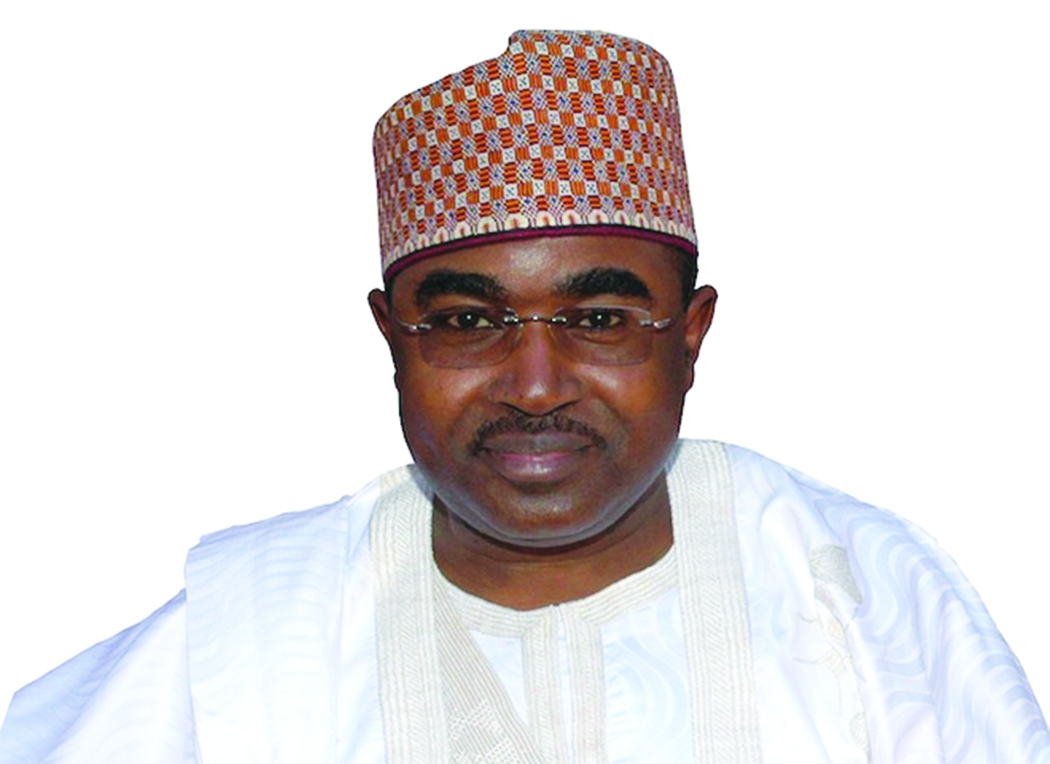
*Says NDLEA rehabilitated 53,800 In 5 Years Onyebuchi Ezigbo in Abuja Chairman of the National Drug Law Enforcement Agency (NDLEA), Brig. Gen. Mohammed Buba Marwa (rtd), has urged the Federal Government to prioritise mental health funding, personnel and community-led interventions. Against the background growing concerns about drug abuse and mental health cases, Marwa said that over 53,800 persons have been rehabilitated through the agency’s facilities in the last five years. Marwa spoke in Abuja on Monday while chairing The Conversation Conference (TCC) 5.0 organised by Intersect Consortium to mark World Mental Health Month. He said he chaired the first edition in 2022 and has watched it grow into one of Nigeria’s largest gatherings on mental health, commending the consortium led by Dr. Vincent Udenze and its Chairperson, Hajiya Ammuna Lawan Ali. “For too long, we treated mental health as a private burden, hiding behind shame and silence. In my work at NDLEA, I see the cost of that silence daily,” Marwa said. He said behind many drug abuse cases is untreated pain, depression and trauma. “A young person who found substance before finding help. Drug use and mental illness feed each other. If we only arrest symptoms, we will keep missing the cause,” he warned. Marwa said the conference theme – strategic investments, partnerships and community-led action – reflects NDLEA’s approach. He said mental well-being cannot thrive where hopelessness and poverty drive people into harm. In three pilot communities, NDLEA worked with residents to build legitimate livelihoods for families who once depended on illicit drug cultivation, with plans to scale to other geopolitical zones. “When people have hope, income and a stake in their future, stress eases, families stabilise and communities grow resilient. These were solutions designed for communities, not imposed on them,” he said. On prevention, Marwa cited the War Against Drug Abuse (WADA) campaign reaching young people in schools and campuses early and without judgment, and the agency’s 24/7 toll-free helpline where a frightened teenager or worried mother can be heard at no cost. “Over 53,800 persons have passed through our rehabilitation facilities across Nigeria in the last five years. Behind that number are parents and kids who return to families and people who return to school and work,” he said. He lamented that media focuses on arrests, seizures and forfeited assets, not on counselling and rehabilitation. Marwa said mental health financing must be at the centre of national planning. “Mental health cannot remain the poorest relation in our health budget. Every naira spent on prevention, trained personnel and accessible treatment returns to us in productivity, safer communities and stronger families,” he said. He called for more psychiatrists, psychologists, counsellors, community health workers and integration of mental health into primary healthcare so that no one travels hundreds of kilometres to get help. “Financing must also be equitable. Care that only the well-off can afford is not a system, but a privilege,” he added. He said focus on women and children was right. Women carry unseen load of families, often suffering in silence and surviving violence, including displaced mothers and girls with no one to turn to. Children absorb stress of homes long before they can name it. “The same is true of persons living with disabilities and families displaced by conflict. A system that does not treat them is not yet inclusive,” he said, noting that when mother, child and household are supported together, recovery lasts longer. Marwa said no single ministry can handle it alone, urging synergy among health, education, security, justice and social welfare ministries. Earlier, Hajiya Ammuna Lawan Ali said TCC grew from a single-day gathering into a movement, now in its fifth edition. She said this year’s edition asks what conversations must lead to. “Mental health does not begin in a hospital. It begins in the home, the school, the workplace and community. That is where people experience stress, loneliness, trauma and exclusion. It is also where support and early intervention can begin,” she said. She urged strengthening of trusted first contacts – family members, teachers, religious leaders, community leaders, primary health workers – and connecting them to professional services. Managing Director of Intersect Consortium, Dr. Vincent Udenze, shared story of Elizabeth, a mother from Kwara State who produced a first-class graduate but was found stark naked on the street, her luggage stolen, people throwing things at her. He said he gave her food and took her to his facility where she was treated and regained her health. Marwa urged participants to commit to financing what works, scaling proven community models, putting women, children and vulnerable first and making help-seeking an act of courage. “Let TCC 5.0 mark renewed commitment so that mental health becomes integral part of national development agenda and access to quality care is reality for all, not privilege for few,” he said.
Marwa Canvasses Prioritisation of Mental Health By FG
Full Article
Original Source
Read the full article at Thisdaylive →KhanList aggregates and links to publicly available news content. We do not host full articles from third-party sources. Always verify important information with original sources.