
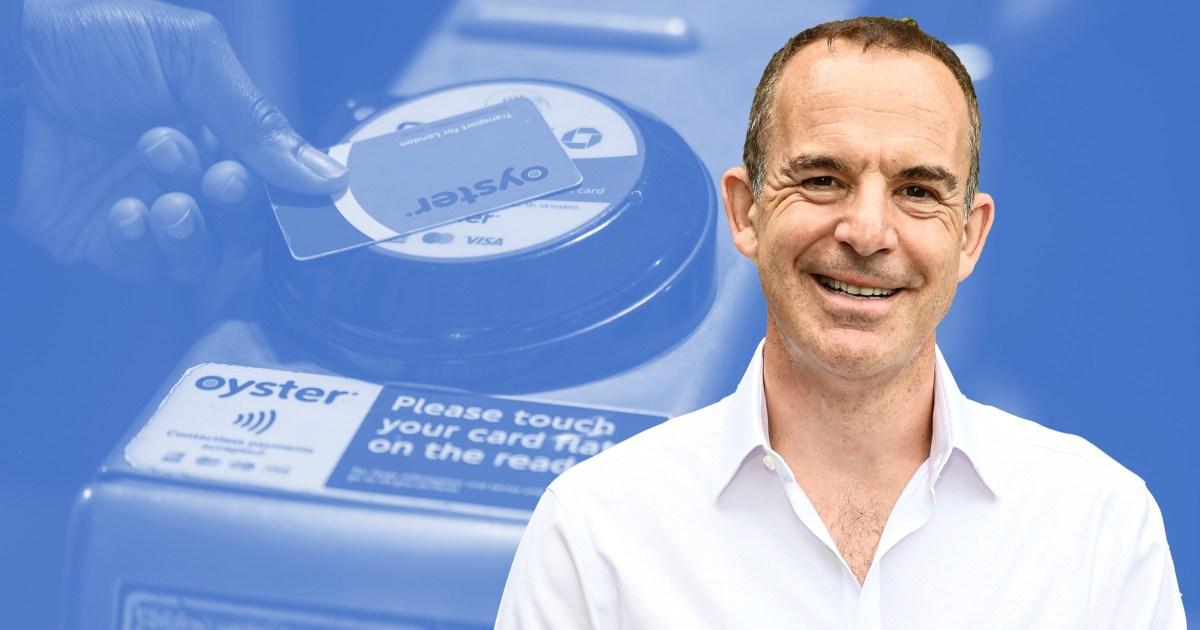
Without even realising it, you could be sitting on a wad of cash (Picture: Getty) Got an old Oyster card gathering dust somewhere? Money Saving Expert (MSE) Martin Lewis has revealed to his newsletter subscribers that anyone with an unused Oyster card could be eligible to reclaim a share of £560 million. According to the financial expert, recent Transport for London figures from June 2026 show there are more than 95 million Oyster cards out there that haven’t been used for at least a year. And those cards have got money on them — and a lot of it. Of the £560 million currently lying dormant, £267 million comes from initial deposits. If you bought an Oyster card before September 4, 2022, you paid a £5 deposit which can be claimed back if you stop using your Oyster. Ask Metro Use AI to go deeper into the stories you care about – powered by Metro and trusted publications. A further £292 million comes from pay-as-you-go credit still languishing on cards. Oyster cards were first introduced back in June 2003 (Picture: Getty Images) So, if you’ve recently moved out of London and still haven’t unpacked that box full of old cards and ticket stubs, now might be the time for a clear out. Do you fit the criteria? There are a few ways you can claim back money on an unused Oyster card, but it depends on when you first registered for the scheme. If you purchased your Oyster card on or after September 4 2022, the initial fee you paid for your card is non-refundable. Right now, it costs £10.50 to get an Oyster card. So, you would not be able to reclaim that money. However, you can still reclaim any remaining pay-as-you-go credit. Latest London news However, the rules are slightly different for anyone who registered for their card prior to this. For example, if signed up for your Oyster card between February 23 2020 and September 4 2022, the initial £5 deposit you paid will have been automatically refunded as pay-as-you-go credit after a year. You can also reclaim unused pay-as-you-go credit. Could you be owed share of the £560 million stuck on unsued Oyster cards? (Picture: Getty Images) And for anyone who’s held onto their Oyster card from before February 23 2020, if you no longer need it,you can get a refund of the initial £5 deposit you paid and any remaining pay-as-you-go credit. One thing to bear in mind, however, is that your card will be stopped when you request a refund of the deposit, and you won’t be able to use it again. How do you claim your Oyster balance back? If you think you may have some money leftover on your card that you’d like to claim back, the process is very straightforward. The first thing you’ll need to do, if you haven’t already yet, is register your card online. Then you can easily check your balance by downloading the TfL Go app. To redirect any spare cash you fancy putting towards a mid-week Nando’s, simply sign into your Contactless and Oyster account online, select the Oyster card you’d like refunded, and hit the ‘Apply for a product refund’ button. If you have £10 or less pay-as-you-go credit, you can also get a refund from Tube station ticket machines. You're owed for delayed Tube journeys too You’re probably all too familiar with the Delay Repay website for delayed train journeys, but did you know you can get refunds on Tube trips too. If your journey is delayed more than 15 minutes or more, you can claim a refund. You have to wait 24 hours to do so, and there are some caveats. TfL won’t refund for the following reasons: We do not give service delay refunds: For delays on a bus or tram For delays outside of their control (this includes strikes, security alerts, bad weather, engineering works or customer incidents). When you travel for free When children under 11 years old travel for free accompanied by an adult For more information visit the TfL website. Reclaiming money on an unused Oyster card is extremely easy (Picture: Getty Images) Are you owed a refund for not tapping in or out? While you’re in admin mode, why not check if you’re owed a refund for any incomplete journeys. If you use an Oyster card, contactless card, mobile phone or smartwatch to travel on The Tube or National Rail services in the city, you must touch in and out using the same method. For those who’ve been scarred before, you’ll know that if you don’t, you’ll be charged the maximum fare, which can be as much as £16.30. If this has happened to you, there’s an easy way to get your money back. When you sign in to your TFL contactless and Oyster account you’ll likely see a notification pop up signalling ‘incomplete journey’. Simply tap on the card in question and click the ‘Apply for Incomplete journey refund’ button. The only information you’ll need are the stations you visited and the reason as to why the incomplete journey was flagged – perhaps you used the wrong card or there was a glitch in the system. Deals of the Day Wuka launches the UK’s first period-proof swimwear for heavy flows Bridgerton fans are rushing to buy these new Netflix-inspired perfumes now £12 off The affordable summer wardrobe update you'll wear from rooftop drinks to beach holidays The £7.99 lip balm beauty fans love for glossy, hydrated lips just dropped four new shades This Keskine hydrogel mask could fix your summer skin Pop the kettle on, open your laptop, and get your money back! Do you have a story you’d like to share? Get in touch by emailing MetroLifestyleTeam@metro.co.uk Arrow MORE: London has a new spa boat with hot tub, sauna and treatment room hidden on board Arrow MORE: British aid worker evacuated to London hospital after being ‘exposed’ to Ebola Arrow MORE: Dad-of-two filmed women through their windows in the middle of the night The Slice Your free newsletter guide to the best London has on offer, from drinks deals to restaurant reviews.
Martin Lewis urges Londoners to check Oyster cards for £560,000,000 in unclaimed refunds
Full Article
Original Source
Read the full article at Metro →KhanList aggregates and links to publicly available news content. We do not host full articles from third-party sources. Always verify important information with original sources.