
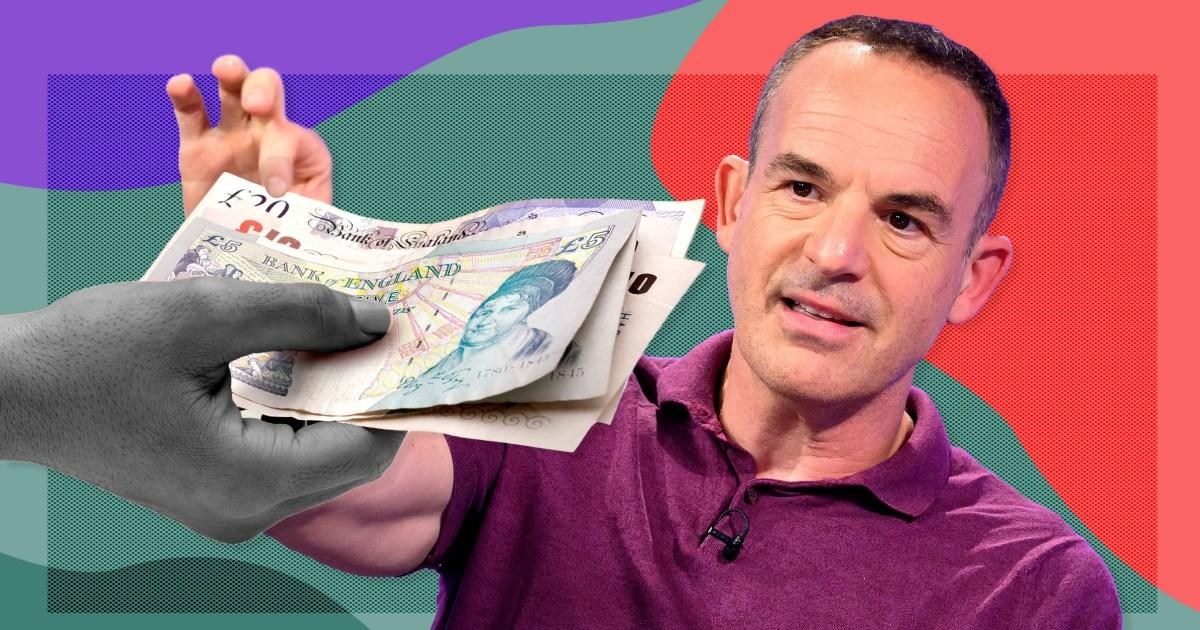
Martin warns it ‘isn’t a trivial decision’ (Picture: Getty/Shutterstock) Even if you normally live by the rule ‘neither a borrower nor a lender be’, it can still be difficult to decide what to do when a loved one asks for financial help. Thankfully, Martin Lewis is tackling the issue in his latest newsletter — and as you’d expect, he has some solid advice to help you decide. Given banks charge interest, the Money Saving Expert (MSE) founder says ‘it’s no surprise that many who need a loan instead turn to the far cheaper bank of mum, dad, son, brother, sister, cousin or best mate.’ But if you’re the one on the end of that request, choosing to lend your hard-earned cash ‘isn’t a trivial decision’, as it requires consideration on an emotional level as when as a financial one. ‘It can involve guilt, pressure, love, trust, obligation and — if it goes wrong —resentment,’ Martin explains, urging people not to assume it’ll be as simple as giving them the money and receiving it back as planned. Instead, the consumer guru recommends a checklist of six key questions that’ll show whether lending is really right for you. Money can be a major source of conflict (Picture: Getty Images) He continues: ‘These are best considered now, while you still have a good relationship with the potential borrower, rather than being forced to consider them after the fact, when things can feel sour.’ So, before you say yes, and especially before you hand over any cash, ask yourself: Are you being pressured? You should never lend money if you’re feeling pressured, harassed, manipulated or guilt-tripped into it. Ask Metro Use AI to go deeper into the stories you care about – powered by Metro and trusted publications. As MSE highlights, this isn’t healthy, and can leave you in a bad financial situation if they don’t repay the money — especially if they’re pushing you to borrow in your name for their benefit. What if it goes wrong? This is technically a few different questions under one umbrella: What if they can’t repay? What if they don’t take it seriously? What if our relationship changes? What if the loan quietly becomes the thing you both avoid talking about? Would you lend money to a friend or family member if they asked? Yes, I would lend without hesitationCheck I would consider it carefully depending on the situationCheck No, I wouldn't lend money to avoid potential conflictsCheck Sign up to Metro's The Slice newsletter for your guide to what's on in London, with trusted reviews, offers and giveaways. A study by JG Wentworth revealed 54.5% of people who lent money to a friend or relative had to ask more than once to be repaid, while 53.9% had forgiven the debt due to the strain it put on their relationship and 46.6% said it caused ‘serious arguments or conflicts.’ Basically, even if you’re as close as can be right now, money can change things. And you need to be prepared for that. Can you afford it? ‘The more desperate your own situation would be if you don’t get the cash back, the less you should be inclined to lend,’ writes MSE. ‘Even if you do have the money today, think about whether this will impact you, your partner or your future too. Once you lend it, you lose control of it.’ Is there a better way? Handing over your own cash isn’t the only way you can help your loved one when they’re struggling — in fact, they may benefit more from a different type of support. If they’re asking for a dig-out because they’re simply not good with money, MSE calls it ‘a gift to point them in the direction of fixing that’, whereas if they’re in serious debt, the likes of Citizens Advice, StepChange or National Debtline can offer free guidance that deals with their problem long-term. And in the short term, if they’re eligible, a 0% credit card or cheap loan may be better suited to everyone’s needs. A repayment plan is key (Picture: Getty Images) What have you agreed? One of the biggest mistakes people make when lending to friends or family is not laying out set terms covering when and how the money will be repaid. Depending on your relationship with the borrower, you may wish to put a formal loan agreement in place, which allows you to take action to recover the money lent if they don’t repay. Even if not though, it’s still worth going through rough timings and a sensible repayment strategy so everyone’s clear — and being aware that if something happens in the future and you need the money, you can’t just demand it back early. Will it fix the problem? MSE recommends questioning whether the money is actually likely to fix the issue for your loved one, or in reality is ‘more likely just to delay an inevitable full financial crisis.’ If it’s the latter, it may be better for all concerned to deal with that now, rather than adding more debt onto their pile. ‘Plus, do consider whether this may end up being just being the first request of many,’ MSE adds. ‘Are you simply getting on a treadmill that will be very tough to get off?’ Now you’ve gone through this checklist, the next step is deciding whether to lend, or not to lend. Deals of the Day Oodie’s cosy blanket sale has arrived just in time for Christmas shopping Save over £700 on Simba's top-rated mattresses in this limited-time sale Topman’s new-season collection has arrived and prices start at just £10 An Instagram mattress left me with back pain – this one completely changed my mind From £700 MacBooks to discounted iPhones, the best Apple tech for studentsb And Martin’s advice on this is simple: ‘If in doubt, don’t.’ Do you have a story you’d like to share? Get in touch by emailing MetroLifestyleTeam@metro.co.uk Arrow MORE: 5 signs you’re being underpaid compared to other workers your age Arrow MORE: Supernanny Jo Frost reveals well-meaning habit can make kids ‘snappy and rude’ Arrow MORE: Jessie Cave thinks handling one child is harder than 4 – here’s what parents think The Slice Your free newsletter guide to the best London has on offer, from drinks deals to restaurant reviews.
Martin Lewis reveals essential check before lending money to family or friends
Full Article
Original Source
Read the full article at Metro →KhanList aggregates and links to publicly available news content. We do not host full articles from third-party sources. Always verify important information with original sources.