
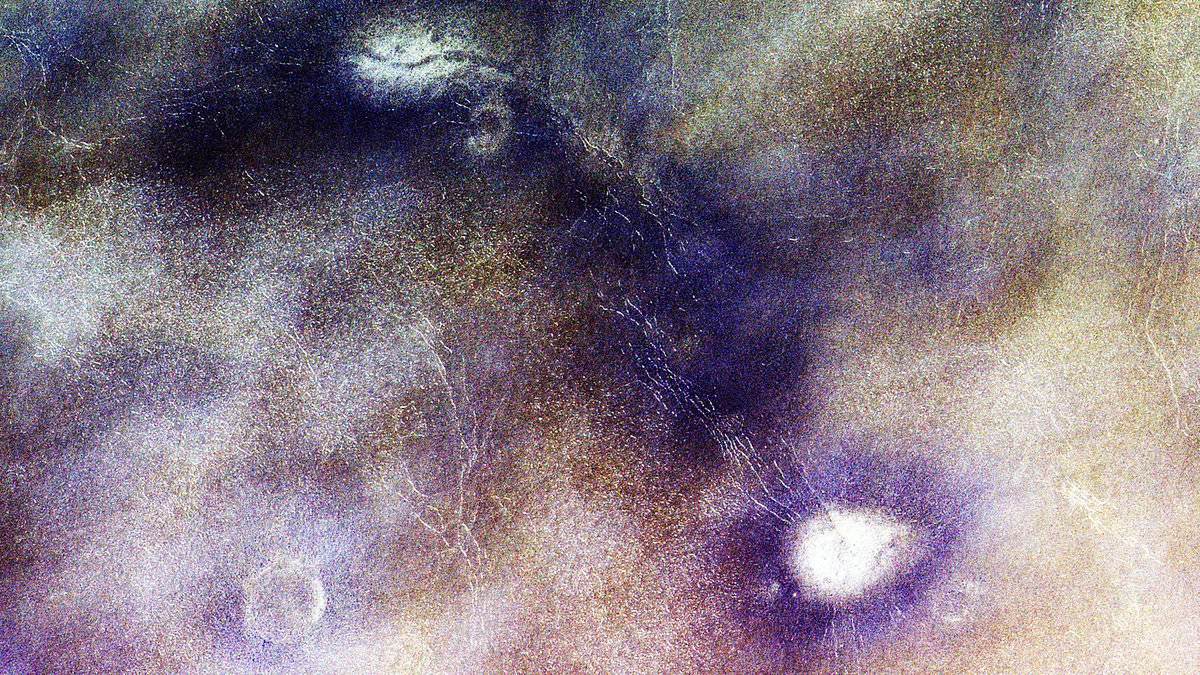
Published: 14:00 EDT, 4 November 2026 | Updated: 14:00 EDT, 4 November 2026 It's one of the biggest unanswered questions in science – if there are aliens out there, where are they hiding?Now, scientists from the Space Research Institute in Moscow think the answer could be on Mars.In their new study, the team discovered gas seeping from volcanic rifts on the Martian surface – suggesting the planet is not geologically dead, and instead is 'merely sleeping'.Excitingly, the researchers suggest life could be hiding within these seeping fissures, particularly in the Alba Mons region.'Looking for Martian life in the seeping fissures of the Alba Mons region would make a lot of sense,' said Daniel Mege, co-lead author of the study.'If hydrothermal systems are active, they could contain the ingredients and energy needed for microorganisms to develop, and shield microorganisms from the hostile and changing environment above the surface.' In their new study, the team discovered gas seeping from volcanic rifts on the Martian surface – suggesting the planet is not geologically dead, and instead is 'merely sleeping' Excitingly, the researchers suggest life could be hiding within these seeping fissures, particularly in the Alba Mons region (pictured)Out of all the planets in the Solar System, Mars has the largest volcanoes - yet scientists have not known how active they are.Seismometers have detected marsquakes on the Martian surface, while orbital imagery shows that some volcanoes have been active within the last few million years.However, no new lava flows or eruptions have actually been observed.In 2021, the ExoMars Trace Gas Orbiter (TGO) detected unusual spikes of hydrogen chloride gas in the Martian atmosphere.This gas varies seasonally on Mars, reaching its maximum in the northern hemisphere's winter, before mostly disappearing in the summer.Most of this variation is linked with Mars' dust and water cycles.However, here on Earth, hydrogen chloride is often found escaping from magmatic vents – leading the scientists to wonder whether the same might be happening on Mars.To verify the finding, the team used the TGO's CaSSIS camera to take a closer look at Alba Mons. As for why the levels of hydrogen chloride vary with the seasons, the researchers suggest that the fissures might be blocked by ice in the winter, with the gas only released as the ice melts in early summerExcitingly, this showed fresh and narrow fissures – some measuring hundreds of metres long.'The Trace Gas Orbiter was able to find the smoking gun,' Professor Mege said.'It was like looking for a needle in a haystack. 'It's truly amazing that it spotted a handful of molecules from a perhaps intermittent source, whilst moving continuously along its orbit to monitor the whole martian atmosphere.'As for why the levels of hydrogen chloride vary with the seasons, the researchers suggest that the fissures might be blocked by ice in the winter, with the gas only released as the ice melts in early summer.In the past, the levels of hydrogen chloride on Mars may have been higher – contributing to a thicker atmosphere and warmer climate.According to the researchers, this could have allowed liquid water to cover the Maritan surface – leading to warm, habitable niches.'These findings may prove to be TGO's greatest success yet,' said Colin Wilson, ESA's project scientist for the ExoMars Trace Gas Orbiter.MARS: THE BASICSMars is the fourth planet from the sun, with a 'near-dead' dusty, cold, desert world with a very thin atmosphere. Mars is also a dynamic planet with seasons, polar ice caps, canyons, extinct volcanoes, and evidence that it was even more active in the past. It is one of the most explored planets in the solar system and the only planet humans have sent rovers to explore.One day on Mars takes a little over 24 hours and a year is 687 Earth days.Facts and Figures Orbital period: 687 daysSurface area: 55.91 million mi²Distance from Sun: 145 million milesGravity: 3.721 m/s²Radius: 2,106 milesMoons: Phobos, Deimos
Mars' volcanoes could contain the ingredients needed for alien life to develop, scientists say
Full Article
Original Source
Read the full article at Dailymail →KhanList aggregates and links to publicly available news content. We do not host full articles from third-party sources. Always verify important information with original sources.