
Meta wanted to build an AI-native company with fewer humans and more AI agents. But the plan appeared harder than expected. Here's what went wrong.Meta’s AI-first workplace plan hit a roadblock. Mark Zuckerberg wanted to turn Meta into an AI-first company. His plan seems ambitious, that is, let AI agents handle a large chunk of the work done by human employees, then make teams smaller and make a company where humans and AI would work side by side. But the plan had to be dropped, as a problem cropped up that the AI did not quite seem ready for the job.According to a Reuters report, Meta explored cutting the size of several teams by as much as 60 per cent as part of an internal plan called Project OT, short for Organisational Transformation. The plan, which was developed earlier this year, was meant to make Meta an “AI-native” company, but employee backlash, falling morale and disappointing results from its AI agents eventually forced the company to pull back.Meta wanted fewer humans, more AIThe idea behind Project OT was fairly straightforward. Instead of having large teams of employees handling everyday work, Meta wanted smaller groups of highly skilled workers supervising AI agents that could take care of routine tasks.On paper, it sounds like exactly the kind of future Meta has been promising. Smaller teams, more automation and AI doing the boring stuff while humans focus on the important work. But things started getting messy. Internal plans reportedly considered reducing some teams by up to 60 per cent in two waves. Meta went ahead with a round of layoffs in May, but the company later abandoned a second wave that had been planned for November. Employees had pushed back hard, while internal data suggested that the AI agents at the centre of the strategy were not delivering the productivity gains Meta had expected.And that is perhaps the most interesting part of this whole story. Meta is not some company that suddenly discovered AI last week. It has spent enormous amounts of money building AI models, data centres and computing infrastructure. If even Meta is struggling to make autonomous AI agents deliver the promised productivity gains, the whole “AI will replace a huge chunk of office work tomorrow” argument suddenly looks a little less convincing.The AI dream meets the workplace reality The situation also created a morale problem inside Meta. Employees were being asked to embrace AI while simultaneously watching the company explore whether AI could replace parts of their own jobs.Meta has now apparently shifted the messaging. Zuckerberg has moved away from the idea of AI simply replacing people and is instead talking about AI as a tool that can empower smaller, more productive teams. He has also acknowledged that AI agents have not progressed as quickly as he expected, although he believes they could become more useful over the next three to six months.That doesn't mean Meta is giving up on AI. Far from it. The company is still spending heavily on AI infrastructure and talent, even as some investors question what those enormous investments are producing.- EndsPublished On: Aug 27, 2026 09:42 IST
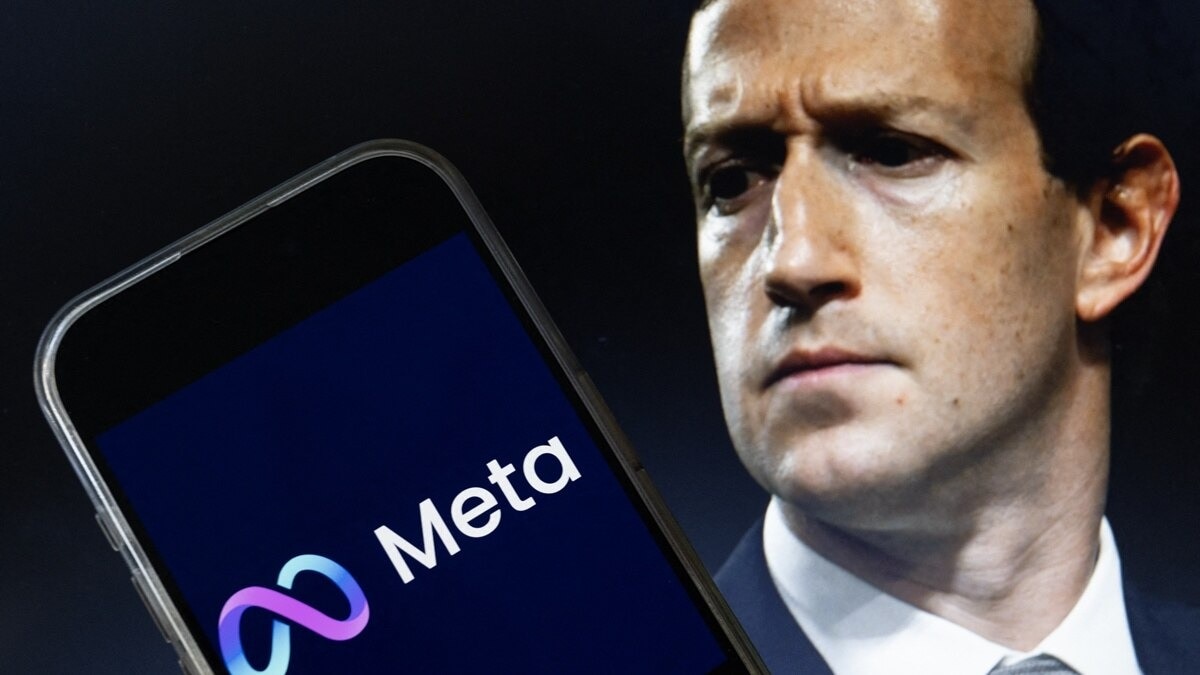
Mark Zuckerberg wanted to cut Meta teams by 60%, but AI agents had other plans
Full Article
Original Source
Read the full article at Indiatoday →KhanList aggregates and links to publicly available news content. We do not host full articles from third-party sources. Always verify important information with original sources.