
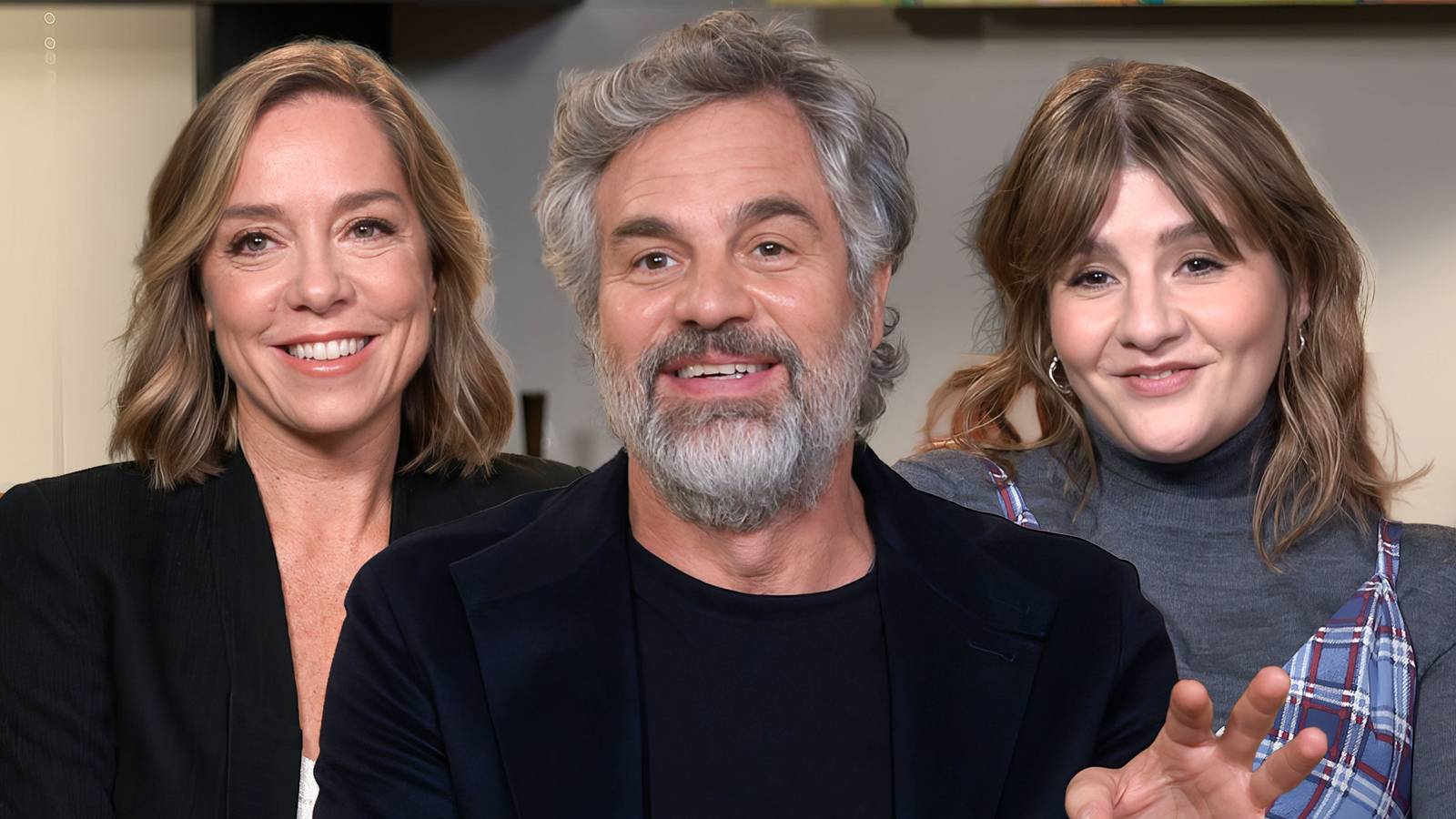
Published Nov 13, 2026, 3:46 AM EST Taylor Gates is an Indiana native who earned her BFA in Creative Writing from the University of Evansville. She fell in love with entertainment by watching shows about chaotic families like Full House, The Nanny, Gilmore Girls, and The Fosters. After college, she moved to Los Angeles to pursue a career as a writer, editor, and filmmaker. Today, she’s a sucker for dramedies — especially coming-of-age stories centering around complex female and LGBTQ+ characters. She has been with Collider since May 2022. Summary Siân Heder reveals the 50-year-old love triangle she uncovered when making Being Heumann. Ruth Madeley discusses how refreshing it is to be one of many disabled characters in a film. Mark Ruffalo weighs in on whether his complex character is a villain. Siân Heder made history when her film CODA, which highlighted the Deaf community, won three Oscars in 2022. She’s using the power and platform she gained to once again put the spotlight on a community that doesn’t often get representation in the media — much less a nuanced depiction. Her new film, Being Heumann, centers on disability rights activist Judith Heumann as she spearheaded the longest sit-in at a federal building in American history to push for accessibility and equal rights. The film features the biggest ensemble of disabled actors in Hollywood history, beating the previous record set nearly a century ago by the controversial Freaks. BAFTA nominee Ruth Madeley plays Heumann, bringing the necessary passion and gravitas to the role. Not only that, but she combines it with quick wit and breathtaking vulnerability to paint a layered portrait of the woman. Mark Ruffalo also lends his talents to the film, portraying Joseph A. Califano Jr., the US Secretary of Health, Education and Welfare, whom Heumann and her community spend the film pressuring to take action. He, too, is a complicated, fully fleshed-out figure, making for a compelling biopic. Collider got the chance to speak to Heder, Madeley, and Ruffalo about their work on the film. During the conversation, Madeley discusses how refreshing it was not to be playing the sole disabled character, Heder talks about the film’s depiction of romance and sexuality, and Ruffalo reveals whether he views Califano as a villain. Ruth Madeley Discusses the Groundbreaking Conflict at the Core of ‘Being Heumann’ “There’s beauty in having two disabled women on screen who don't agree.” Apple TV COLLIDER: I really love how friendship is such a core theme of this film, especially between Judy and Kitty. They don't always see eye-to-eye, but they really need each other to balance each other out. Ruth, I'm curious if you can talk about building that dynamic with Madeline Delp because it felt so authentic. RUTH MADELEY: I think that's the beauty of having two characters who the world would assume that, because they're both wheelchair users, will both have exactly the same perspective and have the same experience. I think what Siân did so beautifully with those characters is show that isn't the case. I think that's often what happens when you have movies or television series where you have one disabled character — that one character has to hold every single bit of representation for all disabilities. There’s beauty in having two disabled women on screen who don't agree and who are very different, who have different approaches, and different perspectives. I think that's why that relationship is so powerful. The scene where they fight, in particular, is so powerful because you can see they are completely opposite in their perspectives, specifically about disability and what it means for them as women. I think that was really great for Madeleine and me to understand — that they were very different people and show how they both learned how to work together in the end and then move the progress forward. ‘Being Heumann’s Director Uncovered a 50-Year-Old Love Triangle When Making the Film “Jim was really sleeping around in that building.” Image: Michael Gibson/Apple TV I love how this film also doesn't shy away from sexuality and romance. I was very invested in Judy and Jim's relationship. Siân and Ruth, can you talk about why that felt important to include and how you each approach that element? SIÂN HEDER: Jim was really sleeping around in that building, which I discovered when I was interviewing all of these protesters that were in the real protest. I asked Judy, “Who was your boyfriend in the building?” And she was like, “Oh, this guy, Jim Pechin.” I then talked to two other protesters and was like, “Who were you sleeping with in the building?” And they were like, “Jim Pechin.” I then had to go back and confront Judy and say, “Judy, do you know that Jim was having sex with everyone?” And she was like, “No, I have to call Lynette! I have to call so-and-so!” So they had it out years later, and 50 years later, we dropped the love triangle bomb of Jim. These were young people. This was a counterculture movement. People were doing drugs for the first time. They were experimenting with sex. I think, up until this point, so many disabled people had been locked in their homes or institutionalized and had not had these teenage explosions of experience. When I was conceiving of the movie, I was like, “This is Woodstock in a federal building. This is rumspringa for these people. This is a time where there's incredible freedom in the building.” And yes, it was hard, but when this sit-in ended, no one wanted to leave. They had won, and they all stayed an extra night on those horrible tile floors because they didn't want to give up this incredible experience that they'd had of freedom within the building. MADELEY: I think what Siân did really beautifully with the writing was that she showed that disability and intimacy exist together, and that's so often not the case in things that are put out there on screen. Most of the time, people see disabled people as completely desexualized, so this was a real celebration of the opposite of that. Mark Ruffalo Weighs in on Whether His ‘Being Heumann’ Character Is a Villain “This was the stain on his record.” Image via Michael Gibson/Apple TV I found the phone call at the end of the film between Judy and Joe really interesting. Joe insists he's not the villain, and Judy replies that he is, but every story needs one. Mark, I'm curious, did you view him as a villain? And how did that influence the way you played him? MARK RUFFALO: Siân and I talked a lot about that. Every protest story has to have a villain. It's the best way to do it. Joseph's an interesting character because he was somebody who wanted to see himself as a leftist and a liberal who’s fighting for the little guy. It was surprising to see how he handled it. HEDER: This was the stain on his record. He had helped desegregation. He'd been a real ally up until that point. RUFFALO: He believed in people, and he believed in helping people. He was a Catholic, and all those Catholic, Christ-like things, he internalized. He believed in the fight, so he was the wrong villain. They couldn't count on him really, ultimately. Thank god. HEDER: He was the villain who caved. RUFFALO: Luckily, he's the villain who caved, and that's the villain that we want in the world. It's also very funny because that conflict is so clearly inside of him, and that was something we talked about — really allowing that to be there, and to let him have that human side. We don't know what that conversation was like. Judy would tell you he was just an asshole. MADELEY: Never relented. HEDER: I called Judy at one point after reading Califano's book, and I'm like, “I feel so bad for this guy. He was in such a tough position.” She was like, “No, screw him.” RUFFALO: We had to make him dimensional and interesting, and I think he really did appreciate Judy. How could he not, really? She totally battered him. HEDER: They were from the same neighborhood in Brooklyn. There were so many things [they had in common]. I think both Califano and Judy were both a little too much for people, didn't have the best bedside manner, and alienated people, but they were forces in the world trying to ultimately do the right thing. He does do the right thing at the end of the film, and he did lose his job within the year and took a big hit because of it. We care about him. We do. RUFFALO: It's better storytelling. Being Heumann is streaming on Apple TV. Release Date November 6, 2026 Runtime 127 minutes Director Siân Heder Writers Siân Heder, Rebekah Taussig Producers David Permut, Kevin J. Walsh, John W. Beach, Kevin Cleary, Siân Heder Cast Ruth Madeley Judith 'Judy' Heumann
Mark Ruffalo’s New Apple TV Movie Does Something No Other Film Has
Full Article
Original Source
Read the full article at Collider →KhanList aggregates and links to publicly available news content. We do not host full articles from third-party sources. Always verify important information with original sources.