
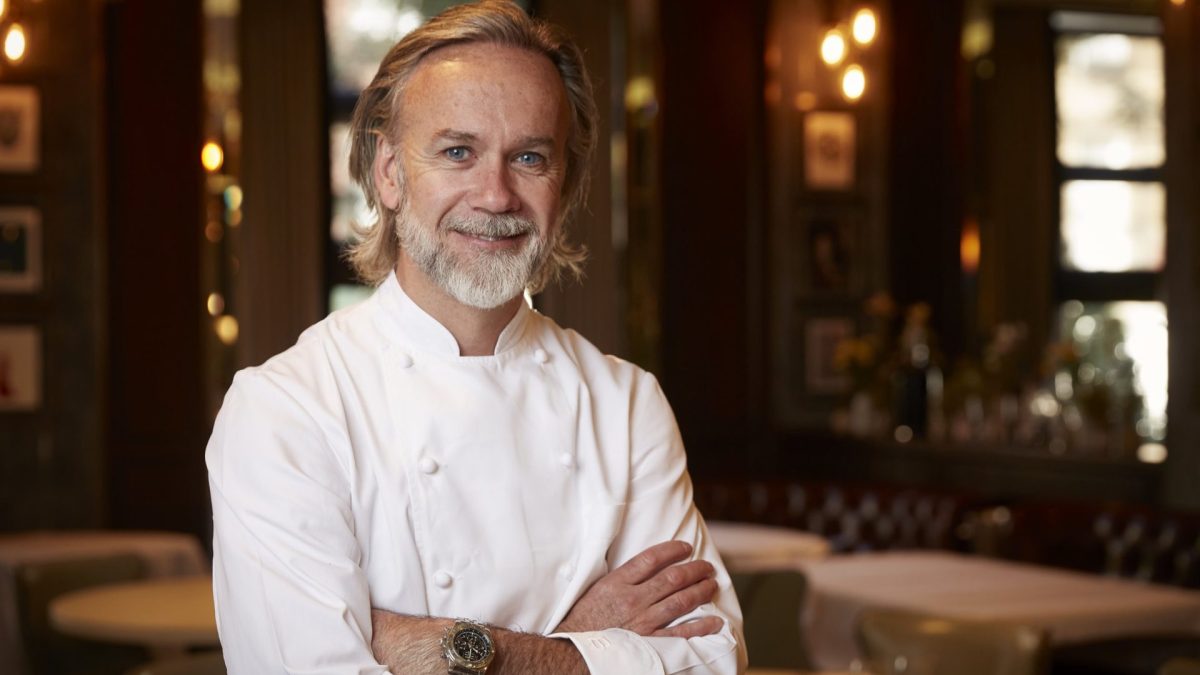
Marcus Wareing, 56, is an English chef, restaurateur and television presenter who grew up in Southport and moved to London at 18 to begin his career at the Savoy. He went on to win Michelin stars, run some of London’s best-known restaurants and become a judge on MasterChef: The Professionals. After 20 years at The Berkeley, his Michelin-starred flagship restaurant Marcus closed in 2023. He is married to Jane and they have three children, Jake, Archie and Jessie. Here, he looks back at the moments that shaped him, from moving to London alone at 18 and burning out at 40 to closing his flagship restaurant and learning when to stop. I was pretty heavily burnt out by the time I turned 40. The hours, family and sheer relentlessness of the job had taken their toll. That was when I had a proper health check and started thinking differently. I’d always kept physically fit, but from then on, I became much more aware of making time for health rather than simply making time for work. Shorts Mental health was something I barely thought about in kitchens – lockdown changed that. Before, you just did the job. Then when restaurants reopened after the third lockdown, you could see it in people: the lights in their eyes had gone out, the fire in the belly had disappeared. There were blank faces. It made me look at people – and myself – differently. Closing Marcus at The Berkeley was one of the best things I ever did. Sometimes life needs to change. I spent more than 30 years doing 16-hour days, and if you add up the hours, I’ve probably worked two working lives. Now I have varied work – television, books, different projects – and the freedom to say yes or no. I don’t have to get back on that treadmill every morning. I now owe myself that time. Moving to London at 18 was incredibly lonely. I came from a small town in the North West where nobody really left. Suddenly, I had no family around me, I was nervous about the job and London felt cold, wet, aggressive and miserable. Looking back, some of it felt like a horror movie, not because of the kitchens but because of London itself. I never arrived dreaming of Michelin stars, restaurants or television. I came for a job and concentrated on that job. Then it led to another one and another one. I’ve barely written a CV in my life. I focused on what was directly in front of me rather than what might happen next. My dad put me on the train, paid for my ticket and first month’s rent – after that, I was on my own. I’d been saving since I was about 11, working in his fruit and vegetable warehouse for 10p here, 20p there, doing a paper round and putting birthday money into a Post Office account. Later, I transferred it to the Halifax and became fascinated by watching the interest grow. Dad’s philosophy was: stop wasting your bloody money and do something with it. By 18, I had enough saved for a deposit on a small flat. I didn’t buy one until later because I was moving around and concentrating on training. That practical approach is something I try to give my children. I couldn’t care less about the bollocks on their phones. I care about: what are you going to do? How are you going to pay your bills? How are you going to save? My children definitely do not think I’m cool because I’m on television. We have three, and they’re all grown up and doing their own thing. When everybody comes home, the important conversations happen around the dinner table. I never made myself the centre of the family, and neither did they. The secret to my marriage is that when I come home, I’m just me. Jane and I met in hospitality when I was in my late twenties and working at Gravetye Manor in Sussex. At work, I could be the serious chef and run kitchens in a certain way, but at home I’m still the person she married 26 years ago. There’s no hierarchy in our house. We all have a role and respect what everyone else does. I became a chef because my dad wouldn’t let me join the family business. He was a fruit and potato merchant supplying school meals around Sefton and Liverpool. As school dinners changed and kitchens moved towards more processed and frozen food, his business got smaller. My older brother was a chef, so I went into the kitchens where he worked in Southport and fell in love with it. Dad and my brother sent me to catering college at 16. There was never one moment when I thought: I’ve made it. Winning a Michelin star wasn’t why I came to London. If you spend your life wishing for prizes, you can miss the point. Go to work. Put the effort in. Be creative. Cook great food, do it well and make it consistent. If somebody pays to eat in your restaurant, give them a memory that makes them want to come back. Get the basics right and the rest tends to fall into place. These days, simplicity matters to me more than ambition. I spent decades pushing, working and trying to make every plate and every service better. I’m still curious and I still want to work, but I don’t need to prove I can survive another 16-hour day. I’ve already done that. Now the challenge is to enjoy what all those years of work gave me. Marcus Wareing has partnered with Seven Seas to raise awareness on how Omega-3 can support healthy ageing
Marcus Wareing: I’m a Michelin-starred chef, but my kids will pay their own bills
Full Article
Original Source
Read the full article at Inews →KhanList aggregates and links to publicly available news content. We do not host full articles from third-party sources. Always verify important information with original sources.