When President Ferdinand Marcos Jr. delivers his State of the Nation Address (SONA) on July 27, he will not have a lot of legislative accomplishments in the past year to boast of. Rappler’s research shows that the number of bills that hurdled the legislative in his fourth year in his office has hit an all-time low, compared to his first three years in office. A number of factors contribute to this. What’s expected is that a fresh batch of lawmakers that make up a new Congress needs time to find its footing after the midterm elections. The President himself is also reevaluating what political capital he has left to push for his legislative agenda, as his allies begin to look forward to the next presidential poll. But there are also unique circumstances that were evident in the past year: major leadership shakeups hounded both the House and the Senate, and particularly, the disarray in the upper chamber has stalled momentum on important legislative work. 1 out of 52 pet bills enacted in the past year For the first year of the 20th Congress, the Legislative-Executive Development Advisory Council (LEDAC) listed 52 priority measures of the administration, including 21 that it had set a June 2026 deadline for approval. However, only one out of 52 was actually enacted: resetting of the elections in the Bangsamoro Autonomous Region in Muslim Mindanao (BARMM) to September this year. One other bill — on the proposed amendments to the Universal Access to Quality Tertiary Education Act — already has an approved conference committee report, but it has yet to be sent to the President’s desk for his signature, with less than two weeks left before Marcos’ annual speech. Three proposals have separately been approved by the House and the Senate, but their disagreeing provisions have yet to be reconciled by a bicameral conference committee: Anti-Online Sexual Abuse or Exploitation of Children (OSAEC) and Anti-Child Sexual Abuse or Exploitation Materials (CSAEM) Act, and a measure institutionalizing the Assistance to Individuals in Crisis Situations (AICS). When the Senate held a special session in June to formally install Win Gatchalian as Senate president, both chambers had internal discussions aimed at approving the final version of the AICS bill. But with both chambers on a deadlock, no ratified report cleared the legislative that would have been sent to the President’s desk for his signature in time for his 2026 SONA. Dismal output This turnaround rate pales in comparison to LEDAC’s performance in previous years. In 2023, the first full year of the Marcos administration, Congress passed six out of 42 bills in time for the President’s SONA. In 2024, the number of Marcos’ identified pet bills rose to 57 after adding 15 new priority measures. Thirteen bills hurdled Congress by the time of the President’s speech in July 2024, bringing the number of pet bills passed to 19. In 2025, the LEDAC included seven new bills, raising the total number of priority measures to 64. The 19th Congress concluded with a total of 40 bills enacted, including 21 for the third year of the Marcos administration. A chaotic Senate A lower output for Congress is consistent with historical patterns, according to Ateneo de Manila University political science professor Arjan Aguirre. “The first regular session of a newly-elected Congress — in this case, following the 2025 midterms — tends to be a ‘startup period’ marked by lower output,” Aguirre told Rappler. Aguirre, however, noted that the leadership instability that defined the Senate in May, before the congressional break in June, aggravated the legislative branch’s dismal performance. When the bloc of Senator Alan Peter Cayetano ousted Senator Tito Sotto from the Senate presidency in May, what followed was an unproductive period in the upper chamber. Committee meetings rarely took place, and plenary session was even suspended repeatedly amid boycotts. “When the upper chamber is preoccupied with internal realignments — contested chairmanships, shifting blocs, privilege speech wars — the bandwidth for serious legislative work narrows considerably. The administration also loses a stable counterpart to coordinate with, which weakens its ability to move priority measures through the Senate,” Aguirre added. It’s a common sentiment among House lawmakers that the Senate is supposedly where good bills go to die. Historically, the lower chamber, which is more closely allied with the sitting president, passes his priority measures easily, but they get held up at the Senate. The upper chamber, which is more traditionally independent from the executive, scrutinizes the bills for a longer period — at times, it meant that these proposals just languish. “There are some LEDAC legislation, for example, that, while the President has high political capital, and have made it past the House, have been stuck in the Senate because of its committee leadership,” GoodGov PH chairperson Bryan Gonzales told Rappler. Gonzales also pointed out other factors at play: political, economic, and social situations of the country that make a particular bill timely, support from national government agencies, seniority of the filed bill, and proximity of the bill to the election season. A common belief in Philippine politics is that the President gradually achieves lame-duck status after the midterms amid political realignments for the next general elections, but analysts said it’s too early to conclude that Congress’ low legislative output is due to Marcos’ waning political capital. “Political capital and legislative output tend to work together but are not identical. The former is always relational, while the latter tends to be structural,” Aguirre explained. “Political capital is about relationships and leverage; legislative output is about institutional processes and timing.” – with reports from Isabel Victorino/Rappler.com Isabel Victorino is a fourth year AB Communication student at Ateneo de Manila University and a writer for its school publication The GUIDON. She is currently a Rappler intern.
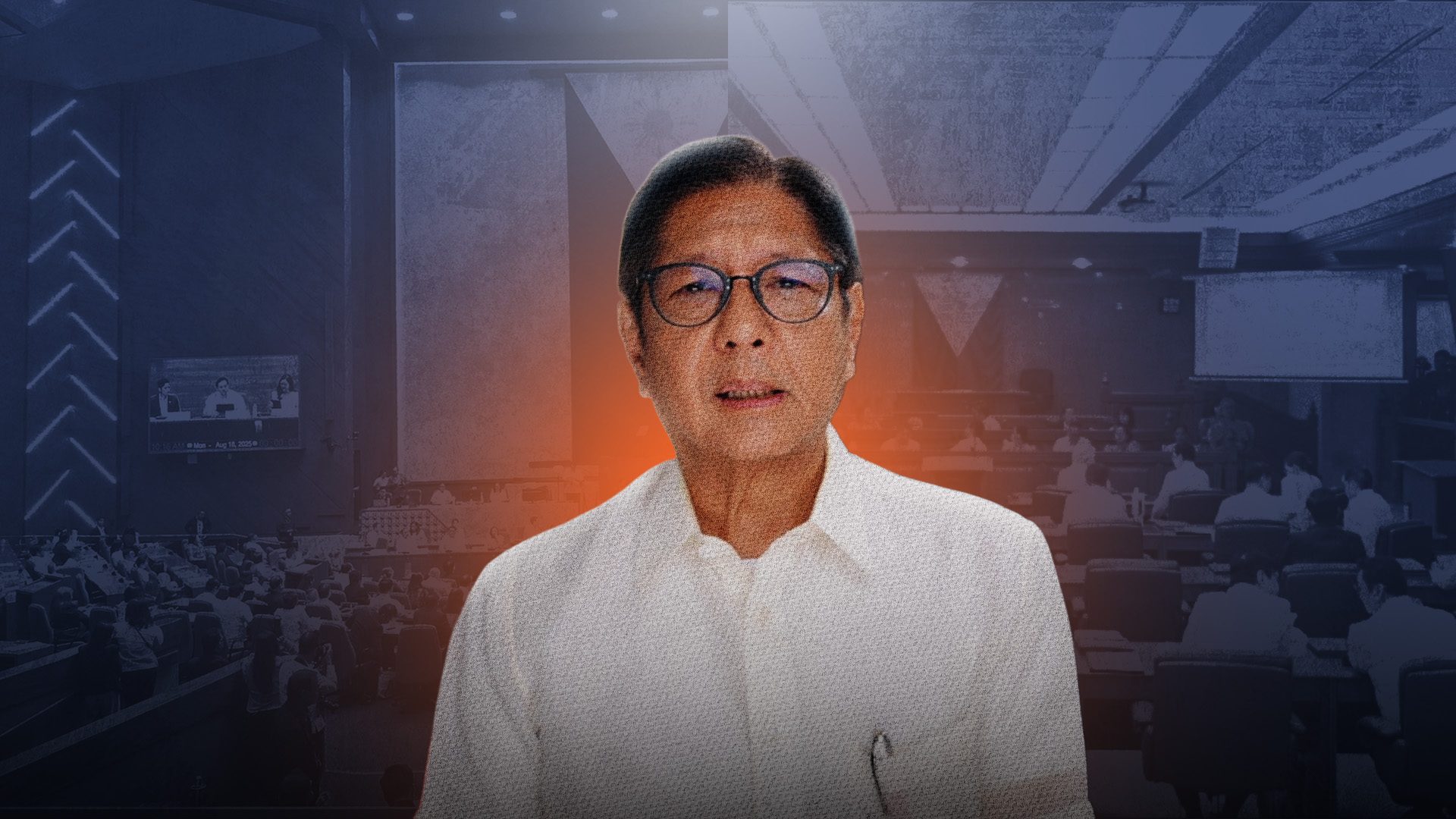
Marcos ends fourth year with fewer enacted pet bills to brag about
Full Article
Original Source
Read the full article at Rappler →KhanList aggregates and links to publicly available news content. We do not host full articles from third-party sources. Always verify important information with original sources.