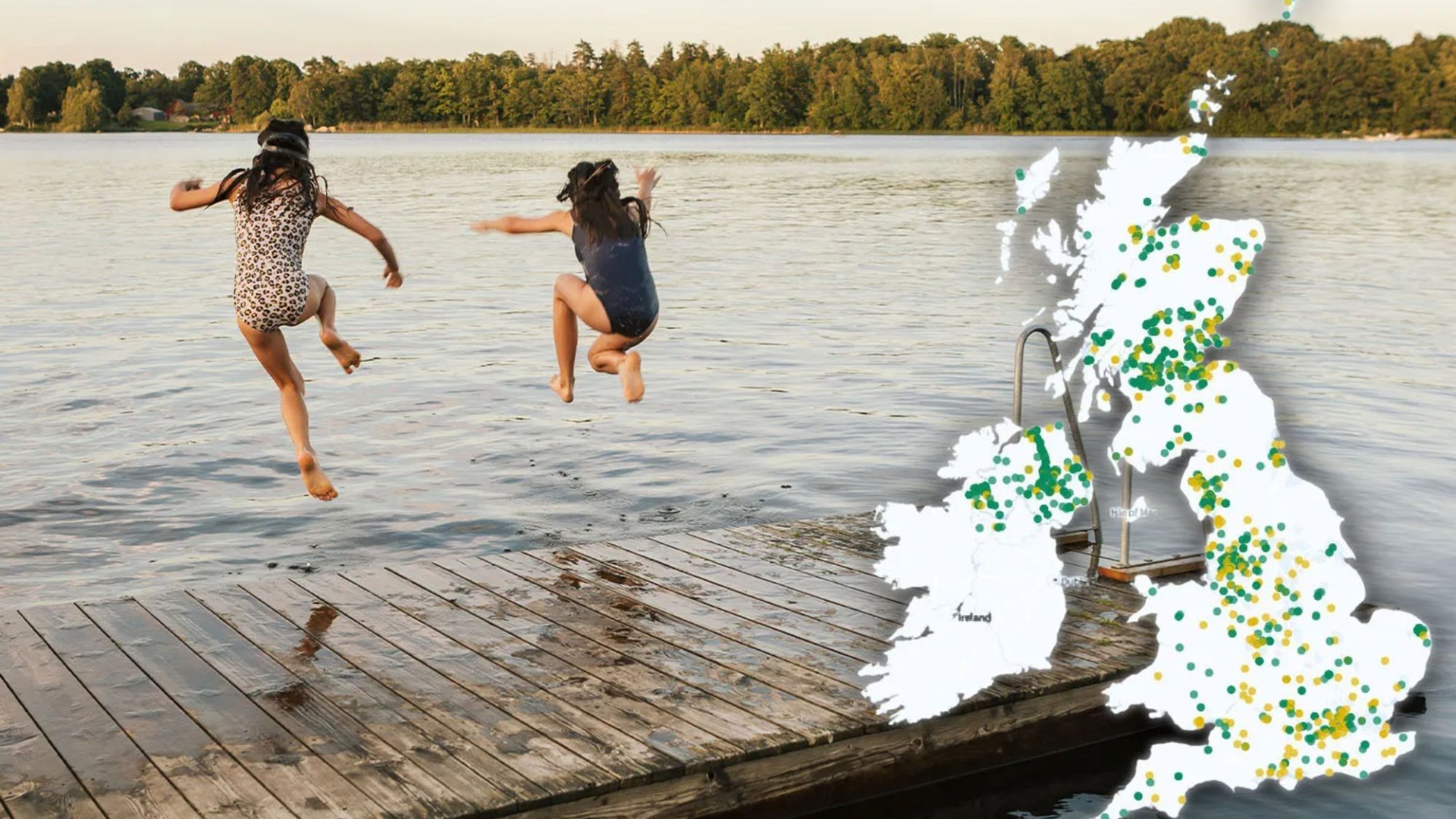
DOES a dip in a lake or pond sound like a good way to cool off? A toxic form of algae is currently surging at swimming spots in the UK. Blue-green algae can cause severe illness and life-threatening organ damage Credit: Getty Known as blue-green algae, its blooms can cause severe illness and life-threatening organ damage. Drinking just 40ml – about two tablespoons – of toxin-infested water while swimming is enough to sicken a child, experts say. Sign up for the Health newsletter Thank you! Data from Bloomin’ Algae, which tracks the spread of algal blooms, suggests there have already been 248 confirmed blooms in the UK this year. A further 80 have been deemed plausible, indicating that algae is possibly present. Read more on summer health Bloomin’ Algae received 936 reports of possible blue-green algae in 2025, and 516 of them were confirmed to be blooms. Blue-green algae are actually not algae at all but a type of bacteria, known as cyanobacteria. They’re naturally present in lakes, ponds, canals and rivers at low levels, but can thrive and multiply during warm summer months – discolouring water and forming floating blooms or scums. Freshwater ecologist Dr Linda May tells Sun Health: “They’re starting to accumulate in a lot of lakes around the UK. Most read in Health “They tend to form these rather gooey scums that look like paint on the surface.” Contaminated water can become green, blue-green or greenish-brown. Cyanobacteria can produce toxic chemicals that make both people and animals very sick – leading to allergic reactions, or more serious complications like liver, nerve and organ damage. “They don’t do it all the time, we don’t know what triggers it,” Dr May says. “We tend to assume that if there’s a lot of it floating around, [the water] is potentially toxic.” Swimming in algae-laden water can trigger skin irritation and rashes, as well eye and throat irritation, breathing difficulties or diarrhoea, nausea and vomiting. Algae can enter the body through a cut or break in the skin, but it’s possible to inhale it too. The algae form floating blooms or scums Credit: Getty Is it a bloom? Algal blooms can form wisps or foam, or appear lumpy. They can also appear paint-like or look like oil slicks. They can make the water look cloudy and green too. If safe to do so, you can poke the scum with a stick. If it breaks into small particles, or irregular-shaped clumps, it is likely to be blue-green algae. If, however, it has tiny round leaves (about 2-4 mm) it is most likely duckweed. If the stick brings up clumps of hair-like strands or soft tubes, then it is likely to be harmless filamentous algae. Source: Bloomin Algae Swallowing toxic water can also make people very sick. While it might be easy for adults to keep their head above water, this can be a problem for children, who typically swallow about 250ml of liquid when they swim, Dr May explains. This is equivalent to a glass of water. But to get ill, just 40ml of toxic water – about two and a half tablespoons – would suffice, research suggests. For dogs, just a quarter of a teaspoon can make them ill or kill them. If someone were to swallow water containing very high levels of algae, “they could become quite ill quite quickly”, says Dr May. “But if it’s a low level but a constant level then it can be quite a long time. “For example, there’s a suggestion that the toxins can blow in wind and people can breathe them in if they live around the shoreline of a lake.” It’s hard to estimate how many people get ill from blue-green algae every year. Dr May explains: “People go to their doctors because they’ve an upset stomach or headaches, and doctors tend to treat the symptoms but they don’t know the potential cause.” With the scorcher of a summer we’re having in the UK, the toxic blooms could become more of a problem. “We’ve got lots of sun which they like, the water’s warming up and we’ve got less rainfall, so at the moment there’s perfect conditions,” Dr May says. Rather than being broken up by rain, the blooms can accumulate and grow on water surfaces. “If you see a floating scum of some sort, the best thing to do is report it to the Bloomin’ Algae App,” she advises. “All of the images that are collected are examined by experts who can tell you whether it’s actually an algal bloom or whether it’s just something else. “For example, there’s a tiny floating plant called duckweed which causes no problems at all and also looks a bit like an algal bloom. “The best thing to do is keep well away from it because even if it isn’t toxic, we don’t know that. “Keep your dogs out and keep yourself and your kids out, because you could get sick.” Comment now
Map reveals the toxic ponds, lakes and beaches where just drinking just 40ml risks seizures and ORGAN damage
Full Article
Original Source
Read the full article at Thesun →KhanList aggregates and links to publicly available news content. We do not host full articles from third-party sources. Always verify important information with original sources.