
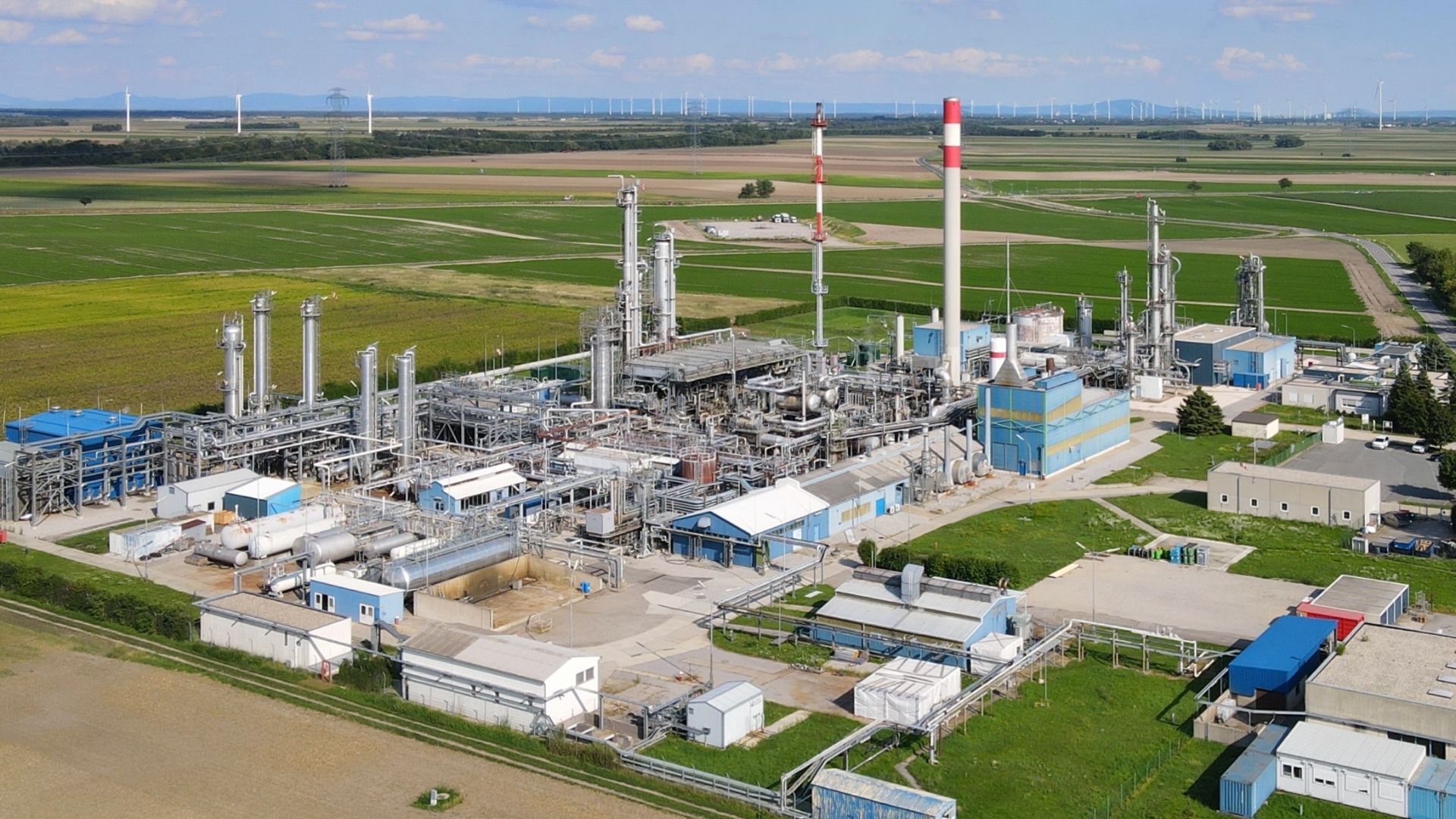
Cattle manure from a Nebraska feedlot is set to become a source of renewable natural gas under a project that could also support fuel production for ships. Ameresco and its subsidiary Neogenyx Fuels have broken ground on the facility at Adams Land & Cattle in Broken Bow, where eight anaerobic digesters will process livestock waste. The August 26, 2026 ceremony marked the start of construction on Neogenyx Fuels’ first agricultural renewable natural gas facility. Designed to produce approximately 1.2 million MMBtu annually, the project will supply gas for transportation and other energy applications while recovering materials for use as bedding and fertilizer. Eight digesters to process manure Owned by Neogenyx Fuels, the facility will capture manure from the feedlot and convert it into biogas through anaerobic digestion. Its eight digesters are designed to generate more than 4,400 standard cubic feet per minute of biogas, which will then be upgraded to pipeline-quality renewable natural gas. The facility will also return process byproducts to agricultural use. Recovered materials will serve as livestock bedding and fertilizer onsite, making those outputs part of the feedlot’s operations alongside gas production. Adams Land & Cattle CEO Abram Babcock said the partnership would improve how the business manages its resources. “Through our partnership with Neogenyx Fuels, we are converting a resource we have always managed into pipeline-quality renewable natural gas, while creating a more consistent fertilizer product for local agriculture.” Potential route to maritime fuel Beyond transportation and other energy uses, Neogenyx Fuels sees a possible role for the project in supplying the maritime sector. Its renewable gas could potentially support bio-LNG production for global shipping markets, although the announcement does not confirm a dedicated maritime supply arrangement. “The Adams Land & Cattle RNG facility demonstrates how American agriculture can play an important role in the future of renewable fuels,” said Michael Bakas, CEO of Neogenyx Fuels. “By converting livestock waste into renewable natural gas with the potential to support bio-LNG production for global maritime markets, this project connects Nebraska to the growing demand for lower-carbon energy solutions across the world while driving private investment, job creation and local economic growth,” he added. The release did not specify how much of the facility’s expected output might eventually serve maritime applications. Emissions cuts and agricultural reuse Ameresco expects the project to reduce greenhouse gas emissions by approximately 63,700 metric tons annually. The company compares that reduction with the carbon sequestered by roughly 63,800 acres of US forest each year. These figures describe anticipated performance once the facility operates. The announcement did not provide a construction completion date or a commissioning schedule. The groundbreaking brought together agricultural, energy, government and community representatives, with remarks from Nebraska Governor Jim Pillen, US Senator Pete Ricketts and American Biogas Council Vice President of Policy Heather Dziedzic, alongside company leaders. Attendees also toured the future facility site following the ceremony. For Adams Land & Cattle, the development ties renewable fuel production to its stated goals of improving operations, supporting local farmers and building a business that can continue across generations.Get the latest in engineering, tech, space & science - delivered daily to your inbox.Atharva is a full-time content writer with a post-graduate degree in media & amp; entertainment and a graduate degree in electronics & telecommunications. He has written in the sports and technology domains respectively. In his leisure time, Atharva loves learning about digital marketing and watching soccer matches. His main goal behind joining Interesting Engineering is to learn more about how the recent technological advancements are helping human beings on both societal and individual levels in their daily lives.
Manure-to-gas facility in Nebraska aims to cut annual emissions by 63,700 metric tons
Full Article
Original Source
Read the full article at Interestingengineering →KhanList aggregates and links to publicly available news content. We do not host full articles from third-party sources. Always verify important information with original sources.