
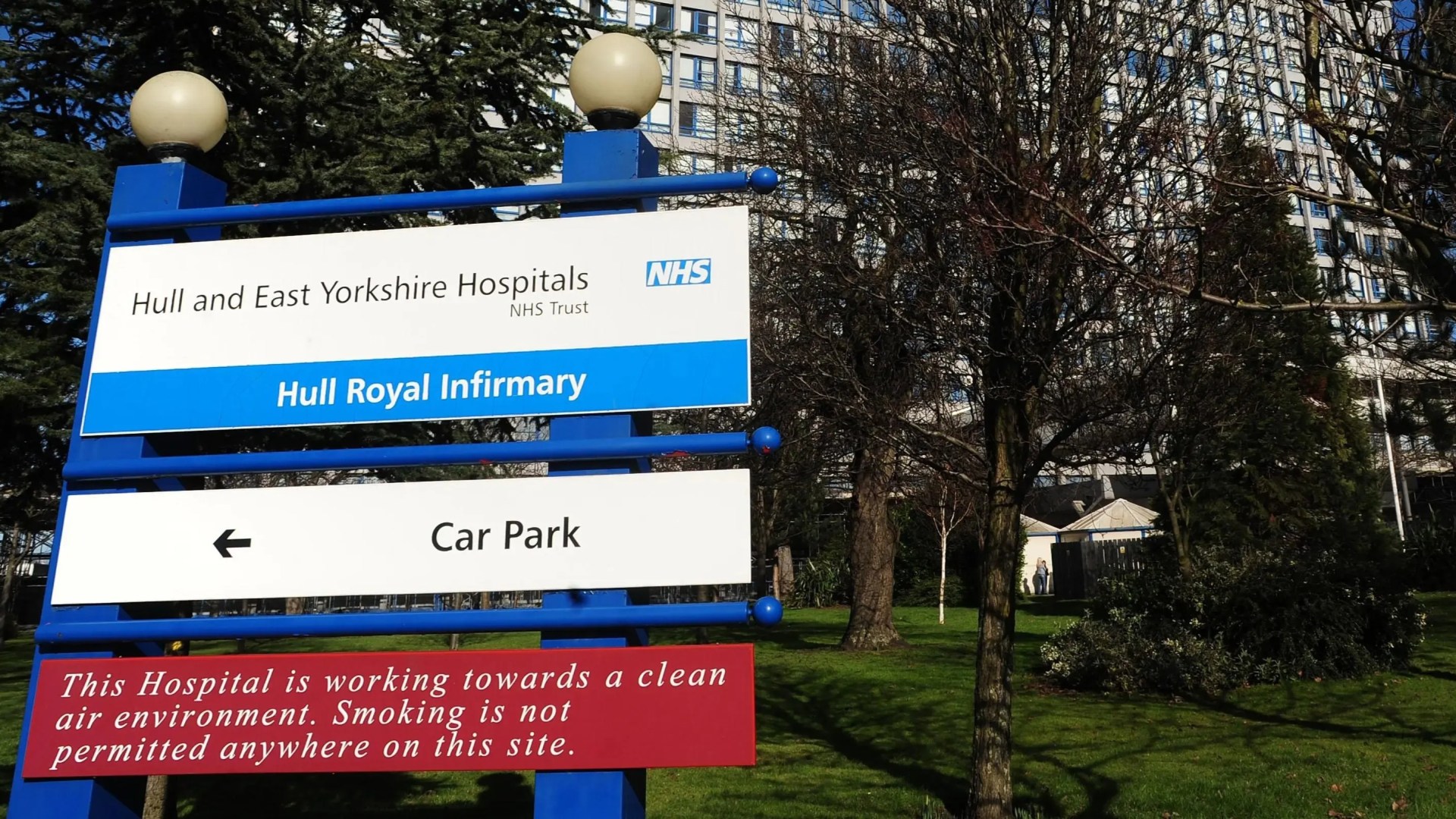
A MAN died after he was told to leave A&E due to overcrowding despite being given a sepsis diagnosis, an inquest heard. Garth Pretorious underwent a fertility procedure for Klinefelter syndrome, a genetic condition where a man has an extra X chromosome, in December 2024. Garth Pretorious attended A&E at Hull Royal Infirmary in December 2024 Credit: PA:Press Association The procedure was deemed successful, but a week later he began feeling unwell and attended the out of hours service at Goole Urgent Treatment Centre. Concerned by his “red flag” symptoms, he was diagnosed with sepsis and told to attend the Emergency Department at Hull Royal Infirmary. Sign up for the Health newsletter Thank you! Despite his diagnosis, the “Sepsis 6 pathway” was not implemented once in A&E, senior coroner Professor Paul Marks told the inquest. The Sepsis 6 pathway is an emergency medical care bundle designed to be delivered within one hour of identifying life-threatening sepsis. It consists of three diagnostic tests and three therapeutic treatments to restore blood flow and oxygen to vital organs. Then, “due to confusion over the arrival of an impending emergency at Hull Royal Infirmary”, Gareth and 15 other A&E patients were “effectively told to leave the department”, Professor Marks said. “As a result of this, there was a delay of approximately 24 hours in commencing appropriate treatment for sepsis which is a time sensitive condition.” In his conclusion, the coroner added: “This delay more than minimally, negligibly or trivially contributed to Garth’s death at Castle Hill Hospital on January 3, 2025.” Most read in Health The inquest found that two different triage systems were being used in the Emergency Department when Garth attended on December 19, 2024. A triage system is a process used to sort and prioritize patients based on how urgent their medical needs are While “some” practitioners in the A&E department used a system known as the Manchester System, others used a “different system”. In a Prevention of Future Deaths report, the coroner also wrote: “Evidence was heard from the Court’s independent expert that it is unacceptable for two different triage systems to be employed simultaneously in the Emergency Department of Hull Royal Infirmary. “Evidence was heard that the use of the Manchester system requires training and there do not appear to be sufficient resources still available for it to be adopted universally at Hull Royal Infirmary.” He added: “In my opinion there is a risk that future deaths will occur unless action is taken. “This may include, for example, allocating the necessary resources to fast track the universal adoption of the Manchester Triage System in the Trust.” After the report was made public, doctors wrote on social media that it made for “grim reading”, was “awful” and that Garth “deserves both justice and privacy”. Sepsis, nicknamed the ‘silent killer’ because it is extremely difficult to recognise, kills just shy of 50,000 Brits every year. It occurs when the body’s immune system goes into overdrive, setting off a series of reactions that can lead to organ failure. Suspected patients are meant to get antibiotics within an hour of arriving at hospital. Bacterial infections are often to blame, but viruses such as Covid and flu — which antibiotics don’t work against — can also lead to sepsis. The UK Sepsis Trust estimates that of the 48,000 people who die each year from sepsis-related illnesses, “thousands” of which are preventable. A spokesperson for NHS Humber Health Partnership told Sun Health: “We offer our sincere condolences to Mr Pretorius’s family for their loss and apologise for any delays in his treatment. “We are strengthening the consistent application of the Manchester Triage System through an expanded staff training and competency programme. “We are committed to ensuring these actions are embedded, monitored and sustained, and the learning from Mr Pretorius’s death leads to meaningful improvements in the safety and quality of care provided to patients.” Sepsis - the worrying statistics There are at least 245,000 sepsis cases in the UK annually, with around 48,000 deaths (that’s five every hour) There are almost 50million cases of sepsis globally every year, resulting in 11million deaths As many as 40 per cent of cases are in children under the age of five One in five deaths globally is associated with sepsis Sepsis is the number one cause of death in hospitals It is also the most common reason for hospital admission Around 40 per cent of survivors have one or more cognitive, psychological or physical after effect Sepsis kills more people than breast (11,400), bowel (16,300) and prostate cancer (11,700) combined (39,400) in the UK Comment now
Man, 36, diagnosed with sepsis following minor op died after A&E discharged him due to overcrowding
Full Article
Original Source
Read the full article at Thesun →KhanList aggregates and links to publicly available news content. We do not host full articles from third-party sources. Always verify important information with original sources.