
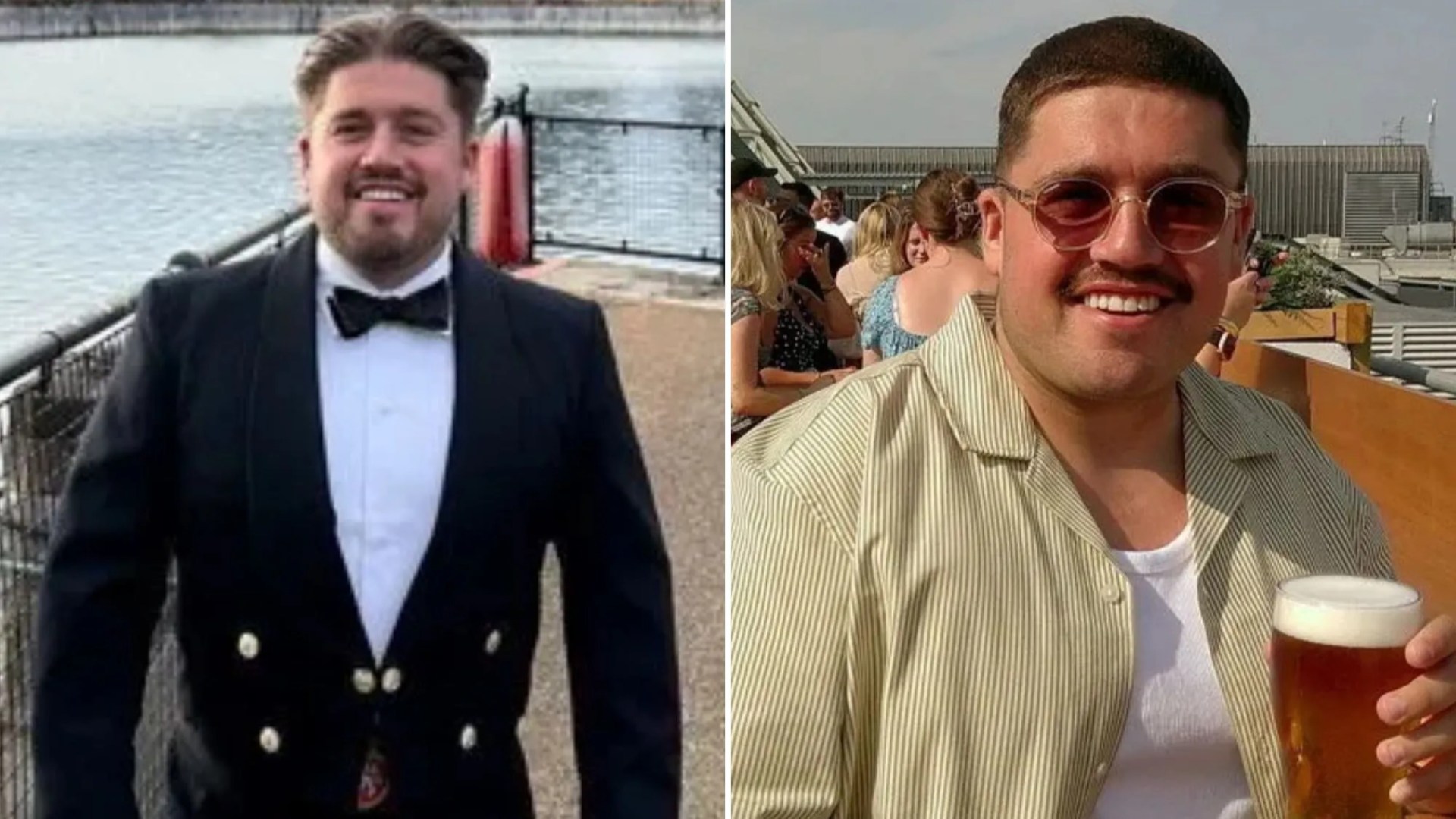
A MAN who blamed tiredness on the flu was heartbroken to discover it was actually the sign of an aggressive cancer. Dan Wright, 33, had initially brushed off his symptoms, thinking he had just picked up a cold, but when his temperature spiked and wouldn’t go down he decided to go to A&E. Dan Wright initially brushed off his tiredness as a cold, but when his symptoms persisted, he decided to go to hospital Credit: SWNS The 33-year-old was diagnosed with leukaemia after having a high temperature, feeling very tired and a lack of appetite Credit: SWNS It was there he was told his blood counts were extremely low and that doctors suspected he could have leukaemia. The mechanical engineer was transferred to another hospital where he underwent a bone marrow transplant and sadly his diagnosis of acute myeloid leukaemia (AML) was confirmed. Sign up for the Health newsletter Thank you! Speaking about his diagnosis, Dan, from Cramlington, Northumberland, said: “It all happened so quickly. “I went from thinking I had a cold or a virus to suddenly being told I had leukaemia.” AML is a type of aggressive blood cancer that affects the white blood cells. Acute leukaemia means it progresses quickly and aggressively and needs immediate treatment, the NHS says. Symptoms of AML usually develop over a few weeks and include feeling tired or weak, frequent infections, unusual and frequent bleeding or bruising, losing weight without trying and looking pale or washed out. Sadly, nearly 80 per cent of people diagnosed with AML in the UK will not survive beyond five years. Most read in Health In the weeks prior to his diagnosis in October 2025, Dan had been suffering from profound tiredness, a lack of appetite and high temperatures, fluctuating between 39 and 40 degrees. He had also been preparing for the Great North Run, having completed the event for five consecutive years to raise money for various leukaemia charities. Three miles into the 13.1 mile race, however, he knew something wasn’t right. Dan said: “Normally I would set off and my friend would struggle to keep up with me, but this time I just didn’t feel right. “I thought it was the flu, but I still carried on and finished the race. “When I met my wife afterwards, she just said, ‘You don’t look well.’ “ Even after visiting the GP several times, he was told it appeared to be a viral infection. But when Dan’s high temperatures persisted, he decided to go to A&E where blood tests revealed he had virtually no white blood cells in his body to fight infection. When Dan went to A&E, tests revealed that he had virtually no white blood cells Credit: SWNS Dan enjoyed running before his diagnosis and had taken part in the Great North Run for five years in a row Credit: SWNS From there, he was transferred to the Freeman Hospital in Newcastle, where he underwent a bone marrow biopsy, which sadly confirmed he had leukaemia. Speaking about his ordeal, Dan said: “I thought I had flu – I never imagined it could be leukaemia. “I’ve always been quite stubborn when it comes to doctors. I was only 33, I was fit and healthy, and I thought there couldn’t really be anything seriously wrong with me. “But deep down I had that feeling that something wasn’t right. “Then they told me they thought I had acute myeloid leukaemia (AML). That was a bit of a pill to swallow.” Dan started chemotherapy on the same night as his diagnosis, with an initial plan to go through three rounds of this. But within days, further tests sadly showed that his AML was aggressive and that chemotherapy alone was unlikely to be enough. This meant that along with the chemo, he would also need radiotherapy and a stem cell transplant. Fortunately, Dan’s brother was tested and he was found to be a full match – something that only happens in about one in four cases between siblings. He donated his stem cells at the end of January 2026 and on February 4, Dan received his stem cell transplant. After spending months in hospital and in isolation, even everyday activities became difficult when he first returned home. Speaking about the ordeal, he said: “There were times when I needed help getting in and out of the shower. How to SPOT leukaemia According to Leukaemia Care, around 10,000 people in the UK are diagnosed with leukaemia every year. Many people tell the charity they never imagined their symptoms could be a blood cancer. They put them down to stress, getting older, a busy lifestyle, or something else entirely. This is understandable as the signs of the blood cancer are non-specific, meaning they could also be caused by many other conditions. Because of this, Leukaemia Care is asking everyone to “look twice”. Symptoms such as being easily bruised, constantly fatigued and getting lots of infections are all signs that you or a loved one could have leukaemia. Leukaemia can stop your body making red blood cells normally. A low number of red blood cells is called anaemia. If you have anaemia, you might: look pale feel very tired – this is a very common symptom feel short of breath feel dizzy or lightheaded have palpitations (feel your heart is beating quickly) Leukaemia can also stop your body making white blood cells normally. If you have too few healthy white blood cells, you might: keep getting infections feel unwell and run down have a sore throat or mouth have a fever or high temperature Another sign of the disease is a low number of platelets. Than can cause unusual bleeding, such as: bruising without any obvious cause bleeding gums nosebleeds blood spots or rashes on the skin (called petechiae) heavy periods And other general symptoms of leukaemia include: having a fever and night sweats unexplained weight loss swollen lymph nodes a tender lump in the upper left-hand side of the tummy (abdomen). This is caused by an enlarged spleen aching joints and bones visual disturbances and headaches Sources: Leukaemia Care and Macmillan “You don’t think about things like that when you’re young and fit. “I’ve been so thankful for my wife, my family and the support network we’ve had.” Dan is slowly rebuilding his strength, using light weights and walking regularly. His advice to anyone who suddenly finds themselves in a similar situation is to simply “listen to your body.” He said: “I’ve always thought of myself as a really strong, fit lad, but you’ve got to be aware of yourself and listen to your body. “I lived ‘one day at a time’ when I was in hospital, and I think that’s something everyone can take into everyday life. “You just have to concentrate on what you’re doing that day.” It comes as this September – which is Blood Cancer Awareness month – Leukaemia Care is encouraging people to ‘SPOT’ the disease by becoming more aware of the signs and symptoms. Colin Dyer, chief executive of Leukaemia Care, said: “Blood cancer can affect anyone, regardless of age or how fit and healthy they may appear, just as it did with Dan. “During Blood Cancer Awareness Month, our SPOT leukaemia campaign is about helping people recognise the signs and symptoms and encouraging them to seek medical advice if something doesn’t feel right. “Just as importantly, we want people affected by a diagnosis – and their families – to know that Leukaemia Care is there to support them through what can be an incredibly difficult journey.” Comment now
Man, 33, blamed tiredness on a common cold before deadly diagnosis – don’t ignore ‘SPOT symptoms’
Full Article
Original Source
Read the full article at Thesun →KhanList aggregates and links to publicly available news content. We do not host full articles from third-party sources. Always verify important information with original sources.