
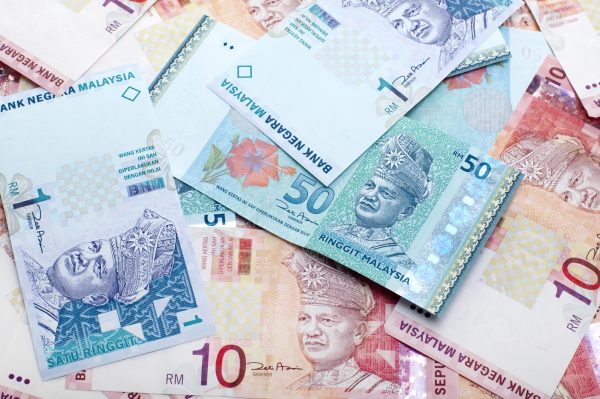
Pacific Money | Economy | Southeast Asia Unlike most of its ASEAN counterparts, Malaysia can look forward to strong growth, increased state revenue, and shrinking deficits in 2027. The Malaysian economy is coasting these days. Growth for 2026 will be around 5 percent, with similar levels projected for 2027. Investment in manufacturing and digital services is flowing in, and the current account and trade balance are running large surpluses thanks to booming exports. The deficit is shrinking, even as fuel subsidies rise to cushion consumers from spiking energy prices. Inflation is stable, and fiscal reforms have succeeded in widening and diversifying the tax base, reducing exposure to volatile petroleum rents. For Malaysian fiscal planners, 2027 is coming up roses. This kind of stable, sustained economic growth is music to the ears of fiscal forecasters because it means tax revenue will continue to grow in proportion to GDP. Not only that, but it will grow in a largely predictable manner. This is obviously important when making a budget because decisions about future spending and borrowing depend on how well you forecast revenue and growth. If growth misses the forecast, revenue comes in below target and the deficit widens. This has been a recurring theme in the Philippines in recent years. It seems unlikely Malaysia will have a similar issue. Steady, predictable growth means more accurate revenue forecasts, making it easier to control spending and trim the deficit, something Malaysian fiscal planners are particularly fond of. Government expenditures mostly focus on maintaining and upgrading systems and services, and it is unusual to see big budget-busting social or infrastructure programs. As soon as the economy stabilized after the pandemic, Malaysia pivoted toward fiscal consolidation and sought to get the deficit under control through a combination of spending cuts and tax hikes. This has continued apace in recent budgets, and it is working. The deficit in 2026 is projected at 3.6 percent of GDP, a steep decline from the high of 6.4 percent in 2021. Fiscal consolidation continues in 2027, with the deficit shrinking to 3.3 percent of GDP. That would be the lowest level since 2017. This is expected to happen even as approved government spending for 2027 rises to 458 billion ringgit ($112 billion), a 3.7 percent increase year over year. Such is the power of tax reform. Historically, Malaysia has been highly dependent on dividends and taxes derived from extracting, refining, and selling petroleum products such as natural gas and oil. In 2019, dividends from state-owned oil and gas firm Petronas and excise and other taxes on petroleum-related activities accounted for 32 percent of government revenue. By 2026, it had fallen to 15 percent, and is expected to remain around that level in the 2027 budget. More than 80 percent of government revenue now reliably comes from non-petroleum sources, mainly taxes. This is good news because while rents from natural resources like oil and gas can be an important contributor to government operations, they are unpredictable. Prices go up and down, and as the world pivots toward cleaner energy, any government that relies excessively on exploiting fossil fuels to shore up its revenue could be left holding the bag in a couple of decades when renewables are more dominant. By then, it will be too late. Tax reforms, particularly a recent hike in the sales and service tax, have shifted revenue toward a more sustainable and diversified tax base. Revenue from this tax is set to increase from 10.5 percent of the total in 2019 to 19.2 percent in 2027. The sales and service tax is expected to contribute 73 billion ringgit in 2027, around $18 billion. Few people are happy to pay higher taxes, but during disruptive and uncertain transitional periods, such as the one we are currently living through, expanding the tax base and shoring up the country’s fiscal health is boring but sound medicine. Evidence of this can be found in the one major line item where Malaysia continues to spend big: subsidies. Malaysia spent around $18 billion on subsidies in 2026, and is targeting roughly the same amount for 2027. A lot of this will go toward cushioning consumers from spiking energy prices. Fiscal planners would prefer to see subsidies go in the opposite direction. Indeed, they started cutting subsidies soon after the post-pandemic economy began stabilizing. But with an unexpected shock to global energy prices that most rational people would not have seen coming, tax reforms and prudent fiscal management give Malaysia sufficient policy space to increase spending and shell out $18 billion in subsidies in successive years while still narrowing the deficit. That is the kind of fiscal math finance ministers in some neighboring countries can only dream about.
Malaysia’s 2027 Budget: Fiscal Consolidation Continues Apace
Full Article
Original Source
Read the full article at Thediplomat →KhanList aggregates and links to publicly available news content. We do not host full articles from third-party sources. Always verify important information with original sources.