
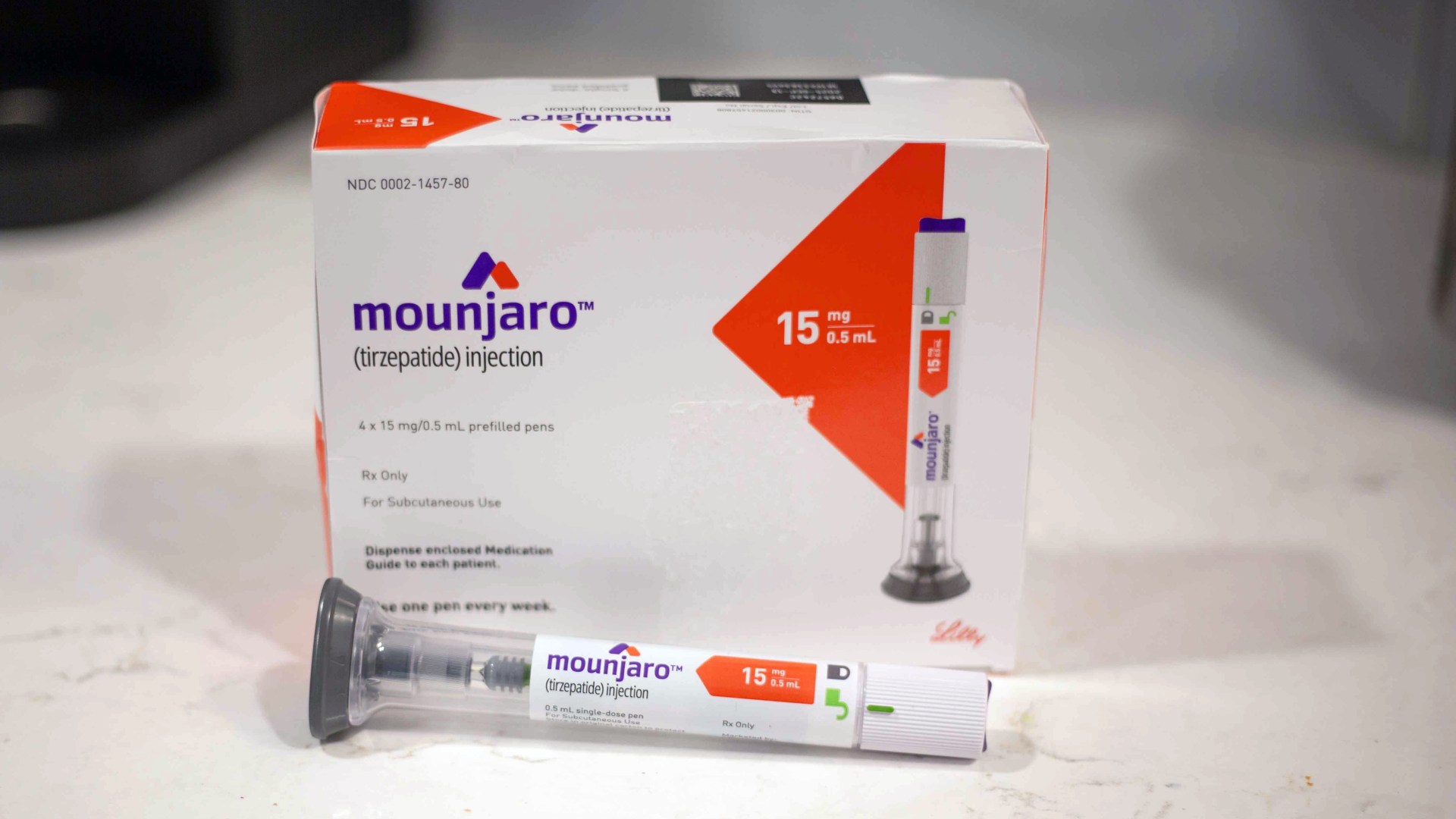
A MAJOR online pharmacy prescribed weight loss jabs to a patient with an eating disorder for months, officials have found. The jab Mounjaro was prescribed to a patient with anorexia on six separate occasions, a six month supply, by Curate Health. A pharmacist has received a warning for prescribing Mounjaro to a patient with anorexia Credit: Getty According to the GPhC, the patient was prescribed Mounjaro on six occasions Credit: Getty According to UK’s pharmacy regulator, the General Pharmaceutical Council (GPhC), the prescriptions were issued on five out of six occasions by Hira Malik, the superintendent pharmacist at Curate Health. In the UK, Mounjaro has strict eligibility criteria including having a body mass index (BMI) of at least 35, making patients obese, and one weight-related issue, such as high blood pressure. Sign up for the Health newsletter Thank you! Experts have long warned that Britons are obtaining jabs from private beauty clinics or online pharmacies after completing a simple questionnaire with few checks. There is also growing concern about the number of normal weight and underweight patients seeking care at A&E after the jabs caused serious side-effects. Curate Health failed two GPhC inspections in 2024 and 2025 due to issues including failure to obtain health information from patients or independently verify their weight before prescribing medicines. Another pharmacy, of which Ms Malik was the proprietor, also failed an inspection in 2025, the pharmacy regulator said. Curate Health relied on patients’ self declaring of whether they had a history of eating disorders, health officials found. They also kept inadequate records of prescribing decisions and failed to share information with patients’ GPs. Most read in Health The GPhC said: “The failings of the pharmacy, for which Ms Malik was the superintendent, led to six supplies of Mounjaro to a patient who had anorexia nervosa making the supplies inappropriate and unsafe. “Ms Malik was provided with falsified information by the patient, about which she did not make sufficient or adequate checks to ensure its accuracy when she should have done so.” Despite these failings, Ms Malik was only given a 12-month warning. The GPhC said she has “made a number of changes to her practice” since the incident. She was warned, however, that “she must ensure that the pharmacy has all the information required to ensure that supplies are clinically appropriate and that proper safeguards are in place to safeguard patients” before prescribing weight loss medicines. “Inappropriate supplies and lack of safeguards put public safety at risk and can undermine confidence in the profession,” the GPhC said. Everything you need to know about weight loss jabs Weight loss jabs are all the rage as studies and patient stories reveal they help people shed flab at almost unbelievable rates, as well as appearing to reduce the risk of serious diseases. Wegovy – a modified version of type 2 diabetes drug Ozempic – and Mounjaro are the leading weight loss injections used in the UK. Wegovy, real name semaglutide, has been used on the NHS for years while Mounjaro (tirzepatide) is a newer and more powerful addition to the market. Mounjaro accounts for most private prescriptions for weight loss. How do they work? The jabs work by suppressing your appetite, making you eat less so your body burns fat for energy instead and you lose weight. They do this my mimicking a hormone called GLP-1, which signals to the brain when the stomach is full, so the drugs are officially called GLP-1 receptor agonists. They slow down digestion and increase insulin production, lowering blood sugar, which is why they were first developed to treat type 2 diabetes in which patients’ sugar levels are too high. Can I get them? NHS prescriptions of Wegovy is controlled through specialist weight loss clinics, while Mounjaro is available from GPs but only for the highest risk patients. For Wegovy, a patient will typically have to have a body mass index (BMI) of 30 or higher, classifying them as medically obese, and also have a weight-related health condition such as high blood pressure. They will be expected to have tried diet and exercise already. Mounjaro is available from NHS GPs for weight loss but only to a tiny group of patients, with the rollout starting with those with a BMI higher than 40 and with four weight-related health conditions. Private prescribers offer the jabs, most commonly Mounjaro, to anyone who is obese (BMI of 30+) or overweight (BMI 25-30) with a weight-related health risk. Private pharmacies have been rapped for handing them out too easily and video calls or face-to-face appointments are now mandatory to check a patient is being truthful about their size and health. Are there any risks? Yes – side effects are common but most are relatively mild. Around half of people taking the drug experience gut issues, including sickness, bloating, acid reflux, constipation and diarrhoea. Dr Sarah Jarvis, GP and clinical consultant at patient.info, said: “One of the more uncommon side effects is severe acute pancreatitis, which is extremely painful and happens to one in 500 people.” Other uncommon side effects include altered taste, kidney problems, allergic reactions, gallbladder problems and hypoglycemia. Evidence has so far been inconclusive about whether the injections are damaging to patients’ mental health. It stressed that if anything similar happens again, further regulatory action will be taken. A spokesperson for Ms Malik told the Pharmacy Magazine: “Ms Malik accepts the General Pharmaceutical Council’s finding and the warning issued. “She is deeply sorry that her practice fell below the standards expected and recognises the seriousness of the risks identified in relation to the prescribing and supply of weight-management medicines. “She has reflected carefully on the matters raised, including the need to verify patient information reliably, communicate appropriately with other healthcare professionals and maintain clear, complete prescribing records. “As the committee recognised, she has made a number of changes to her practice since the events concerned. “She remains committed to following the regulator’s standards and guidance and to ensuring that patient safety is central to every prescribing decision. “Ms Malik respects the regulatory process and will continue to learn from this matter. “To protect patient confidentiality, she will not comment on the circumstances of any individual patient.” Curate Health also told Sun Health today: “Hira Malik, registration number: 2083134, ceased their role as Superintendent of Curate Health in April 2025. “Since then, Curate Health has been reinspected by the General Pharmaceutical Council in March 2026, and we are pleased to confirm that we received an overall outcome of ‘standards met’ across all 5 areas of the inspection, as well as several areas of good practice, including the safety and quality of pharmacy services. “We are sure that you can appreciate that we are unable to comment publicly on the individual case for legal and patient confidentiality reasons, however we can confirm that when the concerns relating to this individual came to our attention, immediate and appropriate action was taken. “Curate Health has robust procedures in place around the prescribing and dispensing of medication, and patient safety, clinical compliance and providing our patients with the highest standard of care, remain at the forefront of our activities.” For help or advice contact eating disorder charity Beat on 0808 8010677 or beateatingdisorders.org.uk Comment now
Major pharmacy prescribes Mounjaro to ‘anorexics’ for months with no check-ups – but get away with just a warning
Full Article
Original Source
Read the full article at Thesun →KhanList aggregates and links to publicly available news content. We do not host full articles from third-party sources. Always verify important information with original sources.