
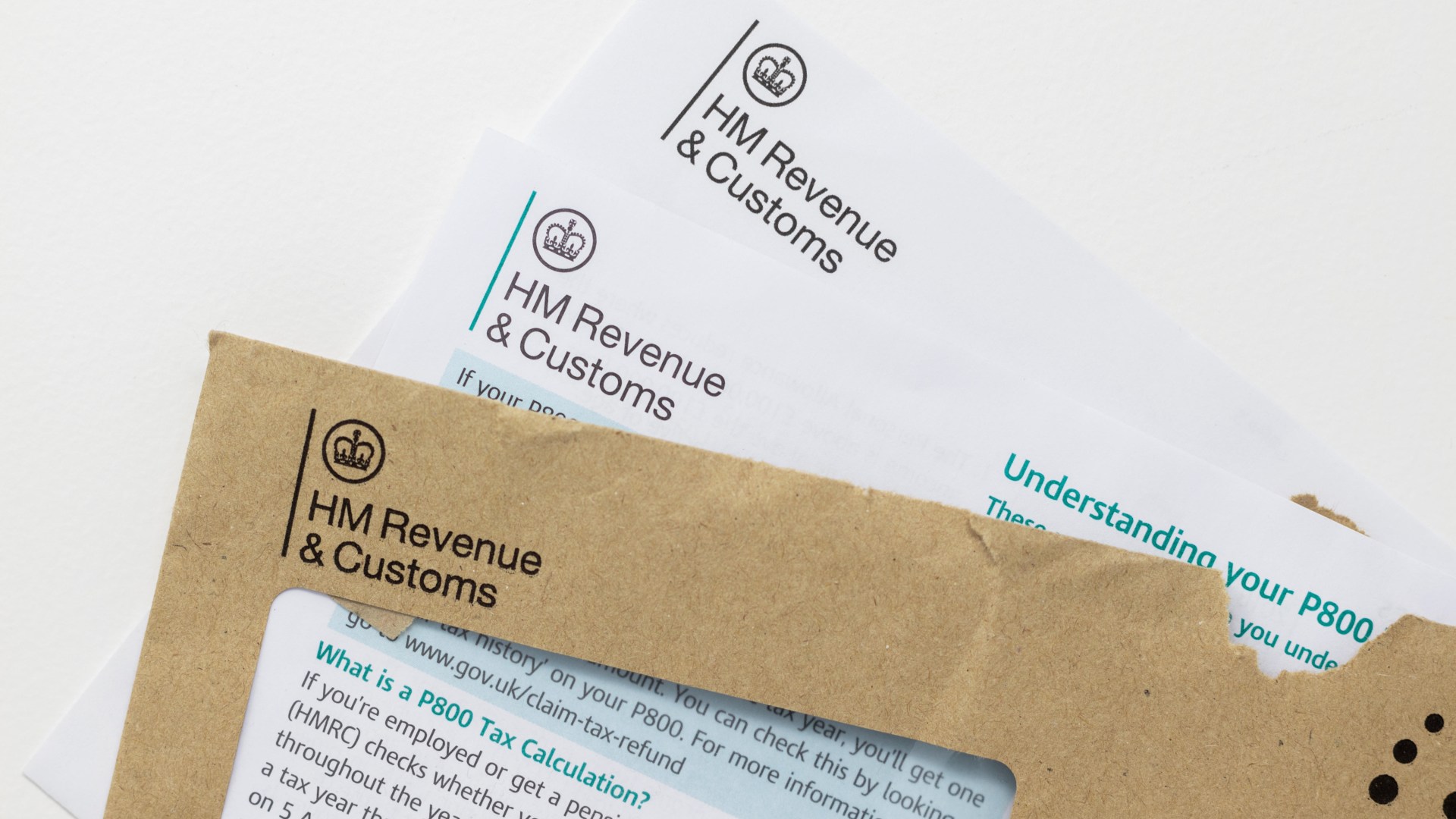
Credit: Alamy A MAJOR change to HMRC rules means taxpayers now need to claim back cash they previously received automatically. Taxpayers who have paid too much tax through PAYE over multiple years can make a claim to HMRC to get the money back. PAYE is the system used to deduct Income Tax and National Insurance from most employees’ wages. If their claim is agreed, HMRC issues a ‘P800 tax calculation’ setting out what they are owed. Sign up for the Money newsletter Thank you! Previously, you would then be sent what you were owed as a cheque in the post. But this month, the taxman quietly changed its rules so that going forward, you will have to proactively request the money back online, even after you’ve made a claim. Taxpayers who paid too much tax will receive a P800 letter from HMRC telling them they are owed a refund, but they will have to go online and request that the money is paid to them. HMRC says repayments requested digitally will normally be made by bank transfer within one week. Those who prefer a cheque or are digitally excluded can still choose to request a cheque, but it will take much longer – HMRC says cheques can take up to six weeks to arrive. Who is affected? The change applies to most employees who make a tax refund claim covering more than one tax year. Most read in Money There are a number of reasons why someone may have paid too much tax through PAYE, including being placed on the wrong tax code, changing jobs or having more than one source of income. In some cases, an error may have affected the amount of tax someone paid for several years, meaning they could be due a refund covering more than one tax year. HMRC will calculate whether you have paid the right amount of tax and, if you are due money back, send you a ‘P800 tax calculation’ letter explaining how much you are owed. There is no change to the way taxpayers initially make a claim for this type of refund. The important change is that receiving this calculation no longer means the refund will automatically be sent to you. Instead, taxpayers will need to follow the instructions on their P800 and actively request their repayment online. The change brings multi-year refunds into line with most other P800 repayments, where taxpayers are already generally required to claim their cash rather than automatically receiving a cheque. HMRC previously stopped automatically sending cheques for most other P800 tax overpayments in May 2024, but multi-year refunds were still among the exceptions. Tony Sanchez, founder of financial comparison site Bridging Loan Directory, said the change could make refunds faster for some taxpayers but risks others missing out. “For taxpayers who act promptly, a bank transfer normally arriving within a week should be quicker and more convenient,” he said. “The danger is that money previously sent automatically must now be actively claimed. Some people will overlook the P800 letter, assume payment is on its way or struggle with the digital process, leaving legitimate refunds uncollected. “Anyone receiving a P800 should check the calculation carefully and follow the official instructions rather than waiting for a cheque.” How to claim If you receive a P800 tax calculation letter, HMRC says employees can request their repayment through the HMRC app or their personal tax account. However, employees do not need to be fully set up for HMRC online services to request a tax refund. They can request their refund through HMRC’s tax overpayments and underpayments page using the unique reference number in their P800 letter and their National Insurance number. HMRC has urged employers to make workers aware of the change and specifically warned that employees will now need to request their repayment rather than waiting for a cheque to arrive. Taxpayers should also be wary of scams claiming to offer HMRC refunds. HMRC says it will never contact you by email, text message or phone to tell you about a tax refund or ask you to provide personal or payment information to claim one. If you receive a P800, you can check whether it is genuine and claim any refund you are owed directly through the official HMRC app or GOV.UK. HMRC has been contacted for further comment. Comment now
Major HMRC tax refund change means workers must claim cash they’re owed – here’s how
Full Article
Original Source
Read the full article at Thesun →KhanList aggregates and links to publicly available news content. We do not host full articles from third-party sources. Always verify important information with original sources.