
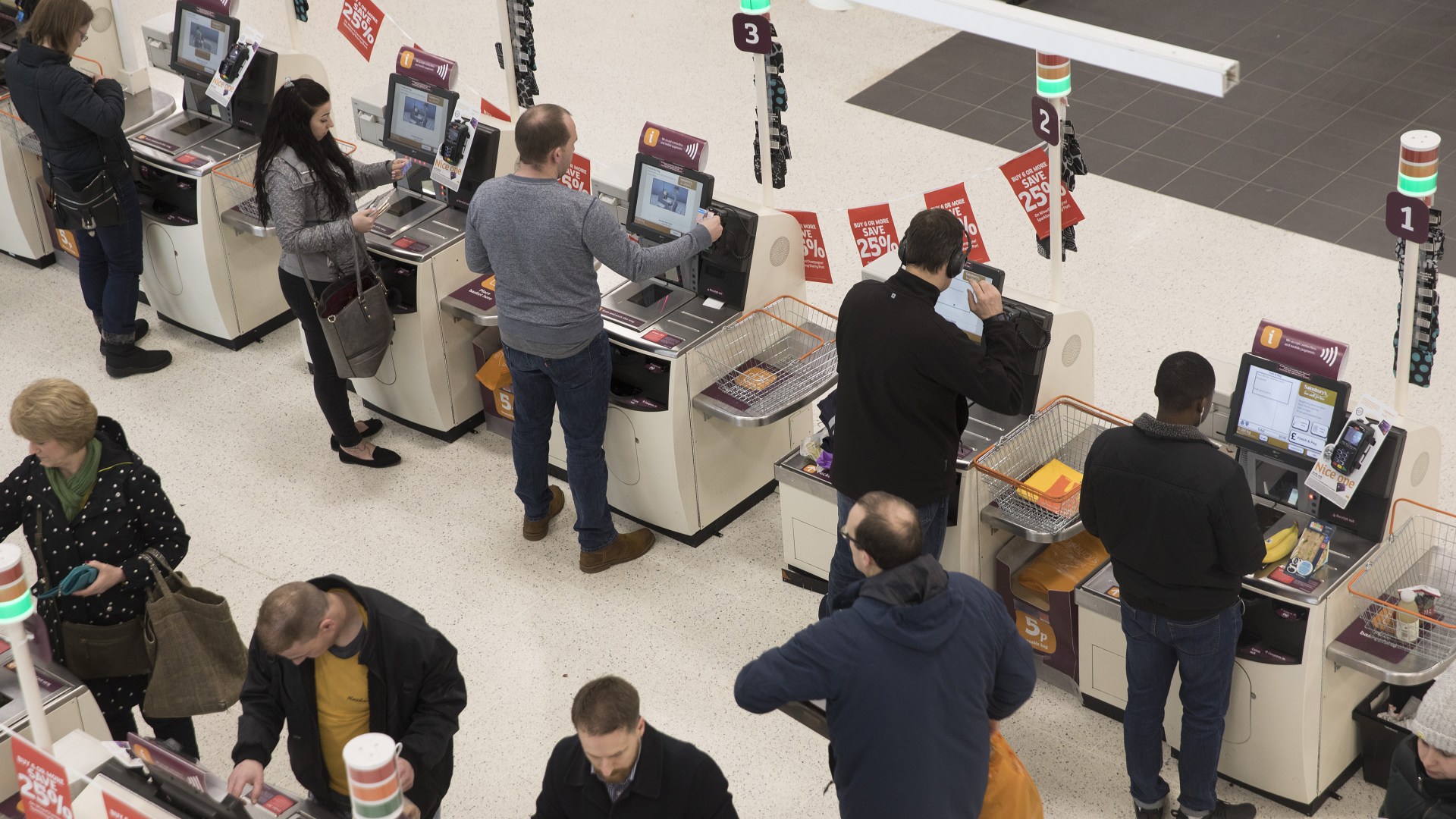
A MAJOR UK supermarket chain has paused the use of facial recognition cameras across stores. It comes after the retail giant removed a shopper who was incorrectly identified as a shoplifter via the AI-powered technology. Sainsbury’s has announced a major change to stores following a recent incident (stock image) Credit: Getty The supermarket chain has paused the use of facial recognition cameras after shopper Matt Arnold was wrongly removed from a store Credit: BBC Sainsbury’s has suspended the cameras while it investigates the incident, which saw a man refused service at a Dulwich store over an alleged incident earlier in the week. Shopper Matt Arnold was subsequently asked to leave the supermarket, with staff advising him to contact Facewatch, the facial recognition technology provider used by Sainsbury’s. Sign up for the Money newsletter Thank you! Facewatch quickly confirmed the man had been wrongly removed from the store, reports Retail Gazette. The company attributed the incident to human error rather than a failure of the technology, while Sainsbury’s apologised and offered the shopper a £150 voucher as a gesture of goodwill. While the shopper donated the voucher to a local food bank, he went on to described the incident as a “terrifying glimpse of the future”. The incident marks the second time a Sainsbury’s shopper has been wrongly removed from a store due to the facial recognition system. A shopper was previously escorted from a Sainsbury’s in Elephant and Castle after staff mistook him for an individual flagged by Facewatch. Sainsbury’s blamed human error and issued an apology in this incident as well. Most read in Money The supermarket chain clarified that it may ask Facewatch to suspend the system if a customer complaint is filed. Sainsbury’s recently shared plans to significantly expand the facial recognition tech across stores in an effort to tackle shoplifting and abuse against store workers. Last month, Sainsbury’s announced plans to install Facewatch cameras in up to 150 additional stores before the end of the year. The retailer previously said Facewatch trials had resulted in a 46 per cent reduction in theft, harm, aggression and antisocial behaviour, with 92 per cent of identified offenders not returning to stores. Facewatch scans shoppers entering stores and compares their faces against a watchlist of people previously linked to theft, violence, or aggression, with colleagues alerted to potential matches. A Sainsbury’s spokesperson told The Sun: “We have contacted Mr Arnold to apologise for his experience at our Dulwich superstore. “The incident was caused by human error, not the facial recognition technology. “Customers can be reassured that the Facewatch system has a 99.98 per cent accuracy rate, and every match is reviewed by a trained manager.” A Facewatch Spokesperson told The Sun: “We understand how distressing this experience must have been for Mr Arnold and are aware that the retailer has apologised. “Our review of this incident confirmed that our live facial recognition technology was not at fault. “A correct alert was sent to the store, but was subsequently subject to human error in the way it was handled and communicated by the retailer.” The rep explained that “pausing access to our system is a precautionary measure that prevents the store from receiving further alerts while the retailer reviews its use of the system and takes appropriate action, including further colleague training where necessary”. “Retailers use Facewatch to help tackle the high levels of crime affecting shops across the UK,” the statement continued. “In July alone, Facewatch generated a record 64,648 positive and confirmed alerts for retailers, helping them prevent theft and protect staff from the unacceptable levels of aggression and violence they face.” Comment now
Major British supermarket chain scraps AI cameras after shopper wrongly booted out in ‘terrifying glimpse of the future’
Full Article
Original Source
Read the full article at Thesun →KhanList aggregates and links to publicly available news content. We do not host full articles from third-party sources. Always verify important information with original sources.