
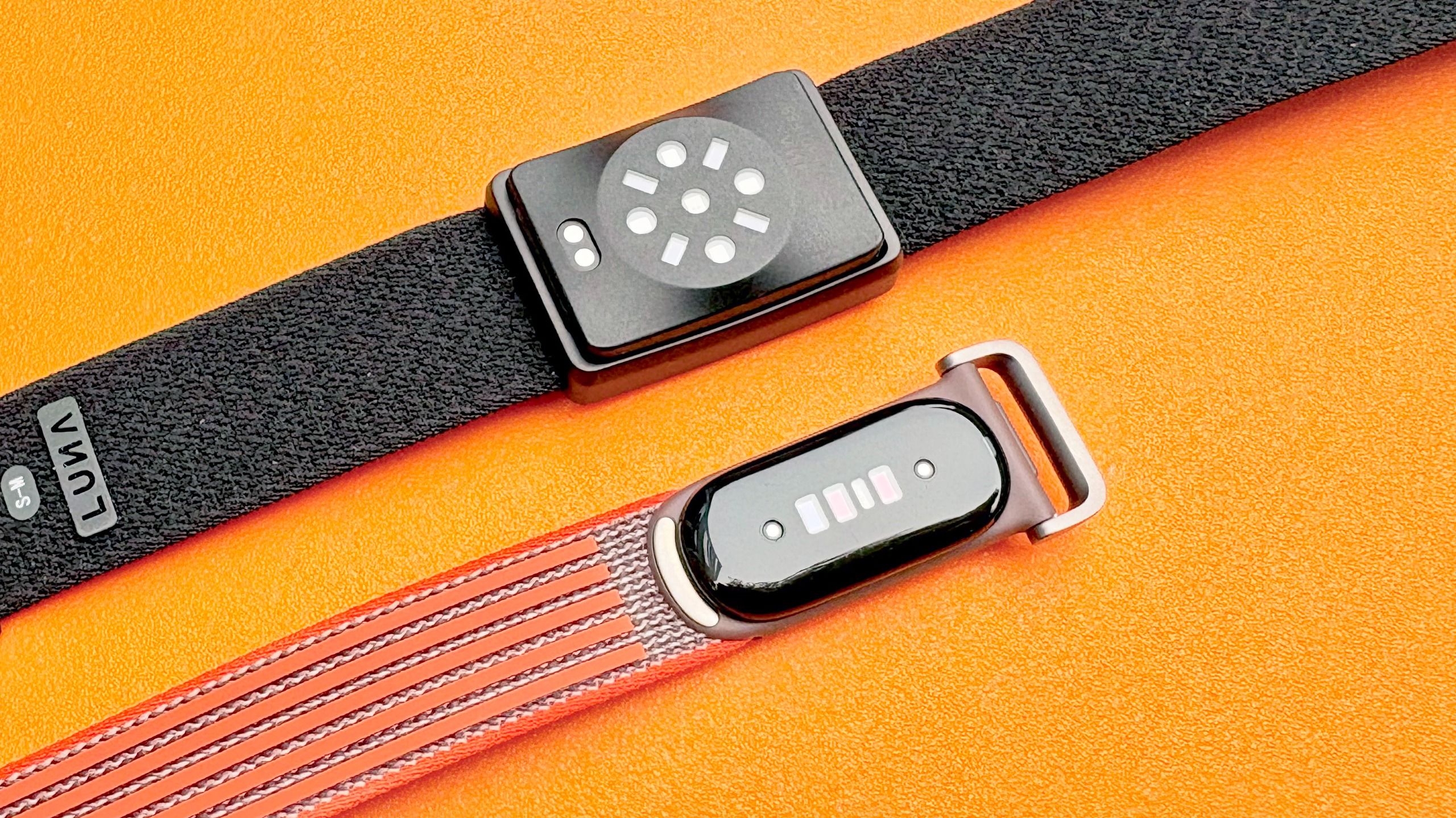
(Image credit: Dan Bracaglia/Tom's Guide) The popular Fitbit Air is one of the best fitness trackers of 2026 thanks to its wallet-friendly price tag, reliable tracking, and simple-to-use design. However, it’s far from the only affordable, screen- and subscription-free fitness tracker out there.I’m currently reviewing the Luna Band, a device I initially got hands-on back in January at CES in Las Vegas, and then again in early September at IFA in Berlin.The Luna Band is a direct competitor to not just the Fitbit Air but also the Garmin Cirqa, and notably splits the difference, cost-wise, between the two. Feature-wise, all three trackers promise no-fuss insights into your daily movement, workouts, sleep quality, and overall well-being.I’ve already covered the key differences between the Luna Band and Garmin Cirqa. Here are the five most important things to know when comparing the Luna Band vs. Fitbit Air.1. The Luna Band is $50 pricier (Image credit: Dan Bracaglia/Tom's Guide)When it comes to price, the Fitbit Air has the Luna Band beat. Google’s screenless tracker starts at just $99, while the Luna Band is $149. That said, the latter is still a better bargain than the $199 Garmin Cirqa.2. But none of Luna’s features are paywalled (Image credit: Dan Bracaglia/Tom's Guide)While the Fitbit Air is less expensive upfront compared to the Luna Band, in the long run, the Google tracker might end up costing you more.Unlike the higher-end Whoop 5.0, neither the Garmin Cirqa nor the Fitbit Air nor the Luna Band require you to sign up for a subscription to use basic features. However, both Garmin and Google paywall some of the more advanced features behind a monthly/annual cost.Get instant access to breaking news, the hottest reviews, great deals and helpful tips.For example, access to Google Health Premium for the Fitbit Air is $9.99 a month or $99 for the year. Meanwhile, the Garmin Connect+ plan is $6.99 monthly or $69.99 annually.Luna takes a different approach, as noted numerous times on the Luna Band product page: All of the Luna Band’s features, including personalized AI insights, are subscription-free for the life of the device.3. The Luna Band has better battery lifeThe Luna Band also has a higher battery life rating than the Fitbit Air: up to ten days per charge — the same as Garmin Cirqa — versus seven days per charge for the Google wearable. That said, I’ve personally verified the claims of the Fitbit and Garmin, but not the Luna Band, so stay tuned for real-world verification.4. But the Fitbit Air is smaller and lighterOf these trackers, the Fitbit Air is by far the lightest and most comfortable.Of these three trackers, the Fitbit Air is by far the lightest and most comfortable, thanks in part to a narrower strap and more compact tracking tech. In terms of weight, the Fitbit Air clocks in at just ~14 g, compared to ~26 g for the Luna Band; the Garmin Cirqa weighs ~22 g.5. The Luna Band uses haptic feedback to deliver notifications (Image credit: Dan Bracaglia/Tom's Guide)While both the Fitbit Air and Luna Band support haptic feedback, on-device vibrations are a much bigger part of the user experience for the latter. For example, the Fitbit Air only buzzes when you set a “Smart Alarm” to wake you up via haptics at an optimal time in your sleep cycle. That’s basically it.On the Luna Band, users can set the device to vibrate for health alerts, notifications, and alarms. Haptics can also be set to automatically “nudge” you throughout the day to stand up and/or move around.What are your thoughts on the Luna Band? Would you consider purchasing one over the competition? Moreover, which 2026 screenless fitness tracker do you like the most? Let me know below. Follow Tom's Guide on Google News and add us as a preferred source to get our up-to-date news, analysis, and reviews in your feeds. Alternatively, you can read our content on the Tom's Guide app available now for iOS and Android. More from Tom's GuideI just went hands-on with the new Circular Ring 3 — and it beats the Oura Ring 5 in 3 big waysI just reviewed the Garmin Cirqa — 5 things you need to know about Garmin’s subscription-free Whoop and Fitbit Air alternativeExclusive: Garmin Cirqa PM says ‘it just felt like we had all of the pieces in place’ to launch a screen-free fitness tracker Dan Bracaglia is the Tom’s Guide editorial lead for all things smartwatches, fitness trackers and outdoor gear. With 15 years of experience as a consumer technology journalist testing everything from Oura Rings to instant cameras, Dan is deeply passionate about helping readers save money and make informed purchasing decisions. In the past year alone, Dan has assessed major product releases from the likes of Apple, Garmin, Google, Samsung, Polar and many others. An avid outdoor adventurer, Dan is based in the U.S. Pacific Northwest where he takes advantage of the beautiful surroundings every chance he gets. A lover of kayaking, hiking, swimming, biking, snowboarding and exploring, he also makes every effort to combine his day job with his passions. When not assessing the sleep tracking and heart rate accuracy of the latest tach gadgets, you can find him photographing Seattle’s vibrant underground music community.
Luna Band vs Fitbit Air — 5 key differences between these affordable fitness trackers
Full Article
Original Source
Read the full article at Tomsguide →KhanList aggregates and links to publicly available news content. We do not host full articles from third-party sources. Always verify important information with original sources.