
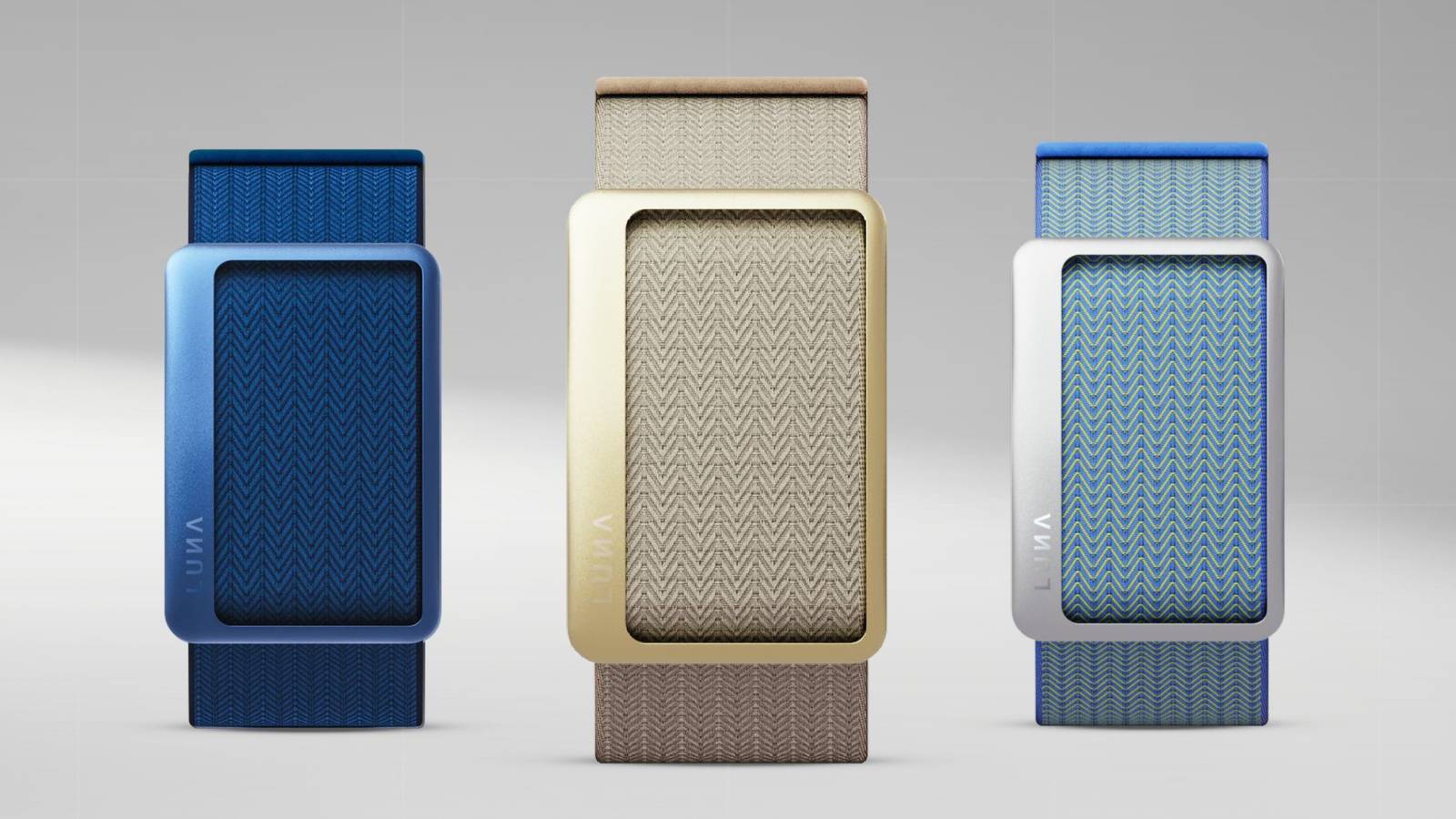
Published Sep 4, 2026, 3:00 AM EDT Andy is a seasoned technology journalist with more than 15 years experience in the mobile industry, writing for Digital Trends, Wired, and more. Andy has reviewed hundreds of smartphones and tablets, dozens of smartwatches, and a host of smart rings, smart glasses, and fitness trackers, giving him a unique ability to assess and evaluate the latest products. His daily mobile tech life includes Android and iOS devices, smart rings, and a smartwatch, unless it's a special occasion, when a traditional watch takes its place on his wrist. Andy always has a strong opinion on the state of the mobile industry, and writes in-depth analysis features to put the latest news and products into context. He has attended multiple CES, MWC, and IFA tradeshows, has a passion for photography and cars, listens to far too much K-pop, and follows F1. You can find Andy's portfolio of work on his Authory page. If you’ve looked at the Fitbit Air, Whoop, and Garmin Cirqa but still want more choice for your next screen-less fitness tracker, without a subscription, give the Noise Luna Band a closer look. Having made a splash at CES 2026, its worldwide availability has been announced at IFA 2026, and here’s what you need to know. What is the Luna Band? Credit: Luna Looking like a cross between the Whoop and a belt buckle, the 24-gram Luna Band’s nylon strap comes in a choice of three colors, black, Aloe Green, or Desert Beige, and the frame is a modest 27mm across. The sensor on the underside of the body measures heart rate, skin temperature, and blood oxygen levels, plus there’s an accelerometer and a gyroscope to track movement. There are more than 60 workout modes with auto-workout tracking for five of them, plus data on training load and VO2 Max. The Luna Band has a 5 ATM water resistance rating, so it’ll be fine for swimming. Where the Luna Band separates itself from other products is with LifeOS and its micro-apps. These plug-in-style tools help you understand and improve everything from circadian sleep patterns, hydration, your fitness age, and even provide guidance on supplement recommendations and when it’s appropriate to drink caffeine. AI-powered insights are also promised, and the data collected by the band will be continuously monitored to deliver personal recommendations on strain and recovery. Luna’s founder, Amit Khatri, explained what this means: The Luna Band is built on a simple idea: your device should adapt to you, not the other way around. Two people wearing a Luna Band are wearing two different products, each one shaped by their own body and their own goals. How much does the Luna Band cost? Following its announcement at CES 2026, the Luna Band is now ready to be sold worldwide through the company’s own online store. It costs $149 or £129, and there is no subscription fee or other ongoing costs for the features. It joins the Luna Ring, which I’ve previously reviewed elsewhere, and found it to be a competent rival to other smart rings in mid-2025. Screen-less fitness trackers are having a moment, and if you’ve been put off by the extra cost of Fitbit Premium or Whoop’s ongoing subscription plan, this may be a lower cost option to consider.
Luna Band is a $150 tracker that skips the Fitbit and Whoop subscription trap
Full Article
Original Source
Read the full article at Androidpolice →KhanList aggregates and links to publicly available news content. We do not host full articles from third-party sources. Always verify important information with original sources.