
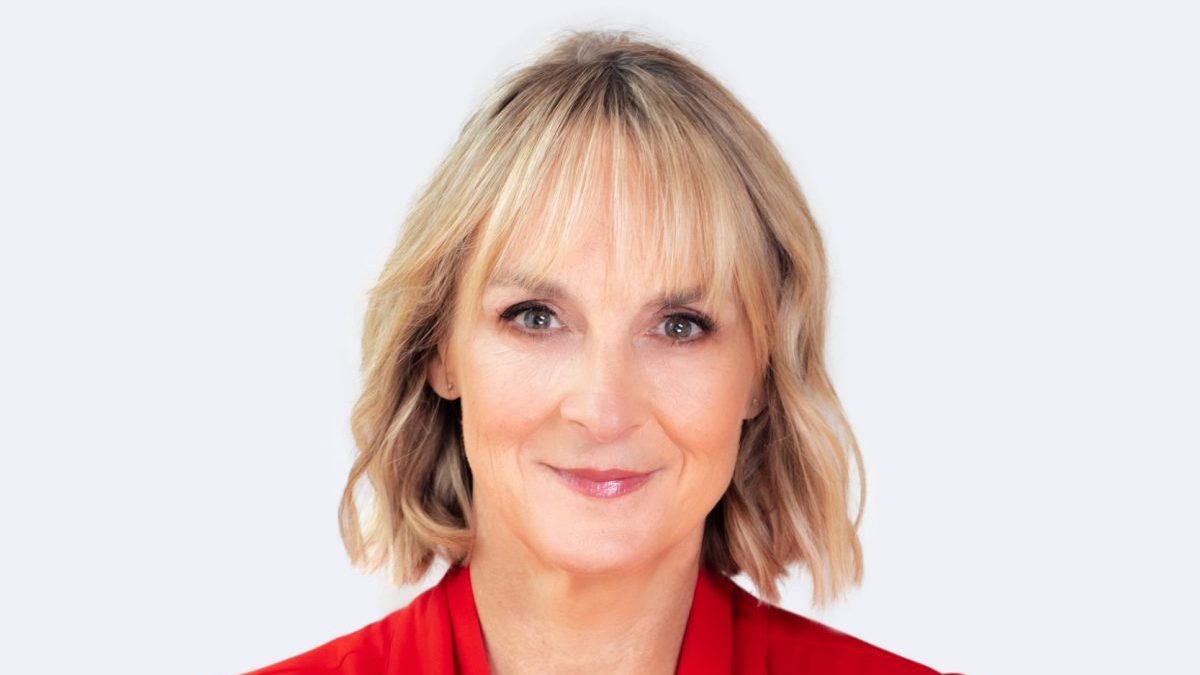
Louise Minchin, 58, is a broadcaster and journalist who presented BBC Breakfast for 20 years. She is a novelist, a mother, an amateur triathlete and adventurer, who trekked 100 miles across the Namib Desert for Sport Relief. She is currently recovering from severe frostbite after cycling in the Arctic Circle. She was one of the first women on TV to raise the issue of equal pay, and her frank, on-air discussion of the menopause helped spark a national debate. In a new column for The i Paper, she reflects on career, family and life as a midlife woman. When my eldest daughter Mia went to university, I thought I’d feel a sense of relief. In my naivety, I presumed that after I dropped her off with bags stuffed with her belongings, and an extra-long hug, it would be a moment of excitement and pride. I had done my job, she was heading out into the world, making her own way, and I would be fine, not least because my other daughter Scarlett was still at home. I had no idea that I would feel Mia’s absence so keenly and so deeply. I missed her in so many ways, her constant chatter, the music thumping in the kitchen, the dirty mugs lined up on her radiator, the piles of washing, endless ironing and mismatched socks. For weeks, every time I walked past her bedroom, I would peek my head in to check if she was there, and my heart twisted when my eyes confirmed what I knew, that her bed hadn’t been slept in. It felt like a form of grief. I had heard about “empty nest syndrome”, but never thought it would happen to me. Now Scarlett has left home too, and although I was better prepared the second time round, it has been challenging in a different way. I’m shocked at how bereft I feel without my children here, how not having to be responsible for looking after them every single day has shaken my sense of identity. Thank goodness I’m still working and still writing, so I have a sense of purpose, a reason to get up and get on with the day. I already knew that it would feel devastatingly quiet in the house, that weekends would no longer be punctuated with late breakfasts, afternoons spent in the cinema eating pick and mix and cooking roast chicken for late Sunday lunch. But the sudden loss of our family routines brought something else with it – an unexpected loss of direction and connection. My husband David and I have been happily married for 28 years, but we realised this was a big change we would need to work to adapt to. Without either of the girls in the house, there was no reason for either of us to shut our computers and stop working. No reason to cook a family meal, to sit down across the table from each other to eat and chat. No reason for David to put down his strimmer, take of his boots and leave the garden to its own devices. No reason for me not to spend all weekend writing alone in the attic. Most of us know a couple whose marriage ended after their children left. Recent ONS data showed 26 per cent of divorces among heterosexual couples now happen after 20 years. For many, the significant milestone of two decades together coincides with their children moving out. After years of being tethered together by our family routine, we were free for the first time since we had children, but free to do what, I wasn’t sure. It felt discombobulating and unnerving. I can understand how some couples realise that somewhere in the mists of time, during those years of hard graft parenting, juggling jobs, school runs and family commitments, they have forgotten what they enjoyed doing together, lost sight of what connected them in the first place, what made them laugh. Speaking to my friends who are at the same stage of life, almost all of them have experienced the same realignment, that initial sense of sadness, and the subsequent change of direction. Rather than wallow in it, almost all of them have taken on commitments of a different kind. Two of them have set up their own businesses, a couple are volunteering, some have taken up Padel, others dance classes and one friend lifts weights with her husband. Undistracted by the whims of a pair of Gen-Zers, I realised we also needed to find new things that we would enjoy doing together or else we could become passing ships in the house, stopping only occasionally to make each other a cup of tea. So, we have decided to build our own routines that don’t depend on the girls being with us. First, we implemented a new rule, if we both happen to be at home on a Friday, we sit down and have lunch together to make it feel a bit more like the start of a weekend, and during long weekends on our own, we make an effort to do things together. For years I have preferred to go for a run or a swim over helping David in the garden. But now I have joined him doing his favourite thing, pottering around outside, weeding and planting. This summer, I took pride in the fruits of our joint endeavour: tiny bright red tomatoes and leggy runner beans. Last Christmas, I bought him a gravel bike so he could join me on wild training rides in the Clywdian Range. We spent happy hours together often overestimating our navigation abilities and getting lost on the hills. We collapsed laughing when we found ourselves knee deep in a bog and got so wet and cold we had to carry our bikes down a steep narrow track rather than carry on. It might not sound like your idea of fun, but it is ours and takes me back to our early days before we were married and before the girls were born, when one of our first holidays together was on a challenging charity trek in the Atlas Mountains. Our solutions won’t be for everyone, but they have helped us. I still miss the girls terribly and I am always delighted when they come home, not so secretly hoping that one day they will join the boomerang generation and come back to live with us again. I should be careful what I wish for.
Louise Minchin: I’m a bereft empty nester – how I’m keeping my marriage on track
Full Article
Original Source
Read the full article at Inews →KhanList aggregates and links to publicly available news content. We do not host full articles from third-party sources. Always verify important information with original sources.