
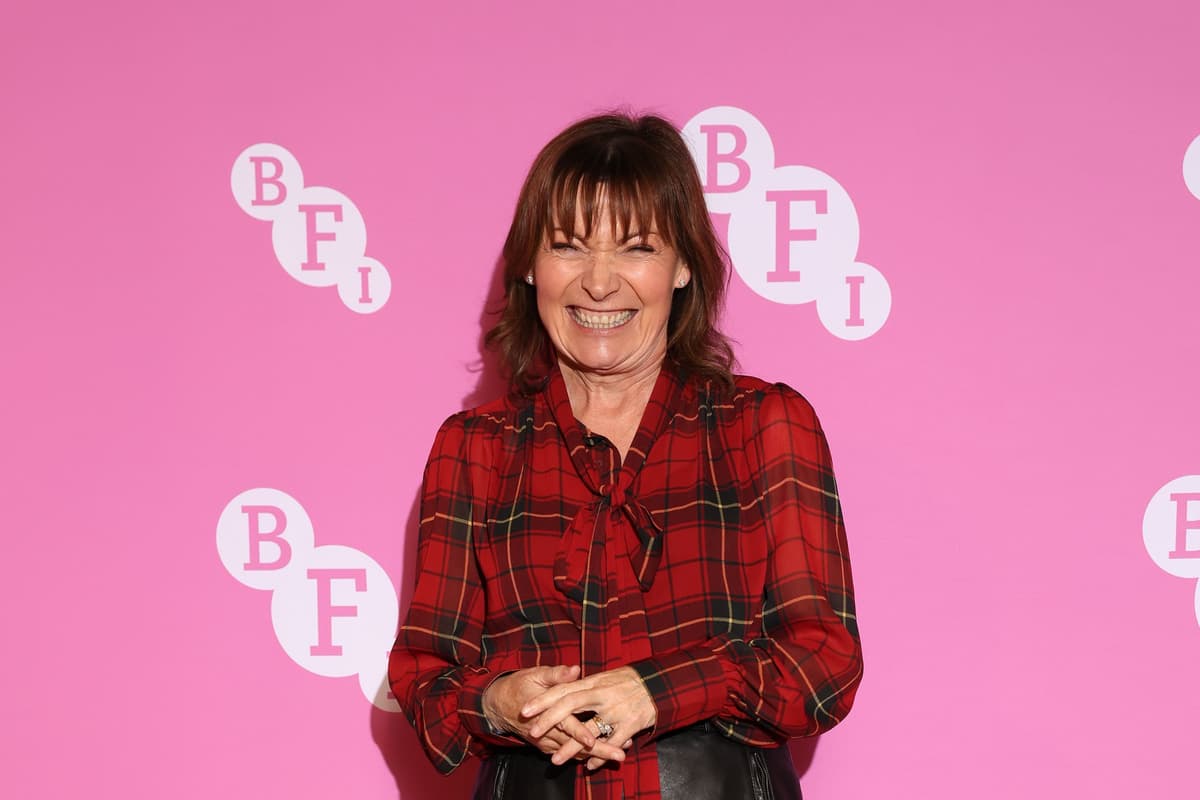
Lorraine Kelly has said she applied for a job at TV-am after being told she would “never make it at the BBC because of my accent”.The Scottish journalist and TV presenter, 66, joined the television company in 1984.TV-am broadcast the ITV franchise for breakfast television in the United Kingdom from 1983 until 1992, launching Good Morning Britain (GMB).After acting as the network’s Scotland correspondent, Kelly went on to present TV-am’s Summer Sunday programme and then eventually became a main presenter on GMB.Lorraine Kelly has recalled being told she would ‘never make it at the BBC’ because of her Scottish accent (Millie Turner for BFI)However, speaking during an event at the BFI on Tuesday night – which saw a string of former TV-am presenters revisiting the origins of breakfast television in the UK – Kelly explained what led her to apply for a job at the network.She said: “The reason I applied for a job at TV-am was I was told by the voice of BBC Scotland that I would never make it because of my accent. And this was coming from BBC Scotland!“But TV-am took a chance on me.”Lorraine Kelly presented a string of shows for TV-am and ITV (Ben Whitley/PA)PA ArchiveAfter GMB ended in 1992, Kelly went to present on GMTV, This Morning, Daybreak and her eponymous programme Lorraine – which launched on ITV in 2010.During the TV-am event at the BFI, other former presenters including Nick Owen, Anne Diamond, Gyles Brandreth, Lisa Aziz, Anneka Rice, Lizzie Webb and Timmy Mallett also appeared.Reflecting on the launch of GMB, Owen said the show was a “bit of a laughing stock at that stage”.The presenter and her former TV-am colleagues including Anne Diamond and Nick Owen appeared on a panel at the BFI on Tuesday (Millie Turner for BFI)He said: “It was a real struggle. It was really difficult and we were the butt of comedians’ jokes. We were easy meat because we were in such dire straits.Diamond – who was working at the BBC before switching broadcasters – recalled being called into a meeting with a BBC boss at the time and told: “If you go to that laughing stock, you will never darken the doors of the BBC again and you will never be welcomed back.“That’s how awful it was and going over was a big risk.”Owen said the breakfast programme was a ‘laughing stock’ when it began (Millie Turner for BFI)Airing weekday mornings, Good Morning Britain had a mixture of news and current affairs, weather, cartoons, music, and interviews with many pop culture figures of the time.Read MoreIt also secured Britain’s first television phone interview with Nelson Mandela days after his release from prison.Although it faced a difficult start and struggled to draw in viewers, within two years it was reaching a daily peak of around 2.3 million.Gyles Brandreth said Good Morning Britain marked the ‘democratisation of TV presenting’ (Millie Turner for BFI)Owen described the first time they reached one million viewers as a “spectacular moment”.However, in 1992, TV-am lost its ITV breakfast licence and closed.Reflecting on GMB’s success on TV-am, Brandreth said the programme “did something very special” at the time.The TV-am panel at the BFI (Millie Turner for BFI)“It, for me, marks the democratisation of television presenting.“Up until the advent of TV-am there was a certain type of television programme presented by a certain type of person.“Greg (Dyke, the director of programmes at TV-am) came along and introduced all sorts of people. He wanted everybody, because everybody is watching. He wanted the show to represent who was watching,” he said.The presenter, 78, added that looking back at GMB on TV-am gave a “time capsule of 10 years of British society and Britain’s relationship with the rest of the world”.“It is a wonderful thing for this to exist.”The event also marked the launch of The BFI Collections Fund, which is helping to preserve around 10,000 hours of programming from TV-am during its lifetime.
Lorraine Kelly was told she would ‘never make it at BBC because of accent’
Full Article
Original Source
Read the full article at Standard →KhanList aggregates and links to publicly available news content. We do not host full articles from third-party sources. Always verify important information with original sources.