
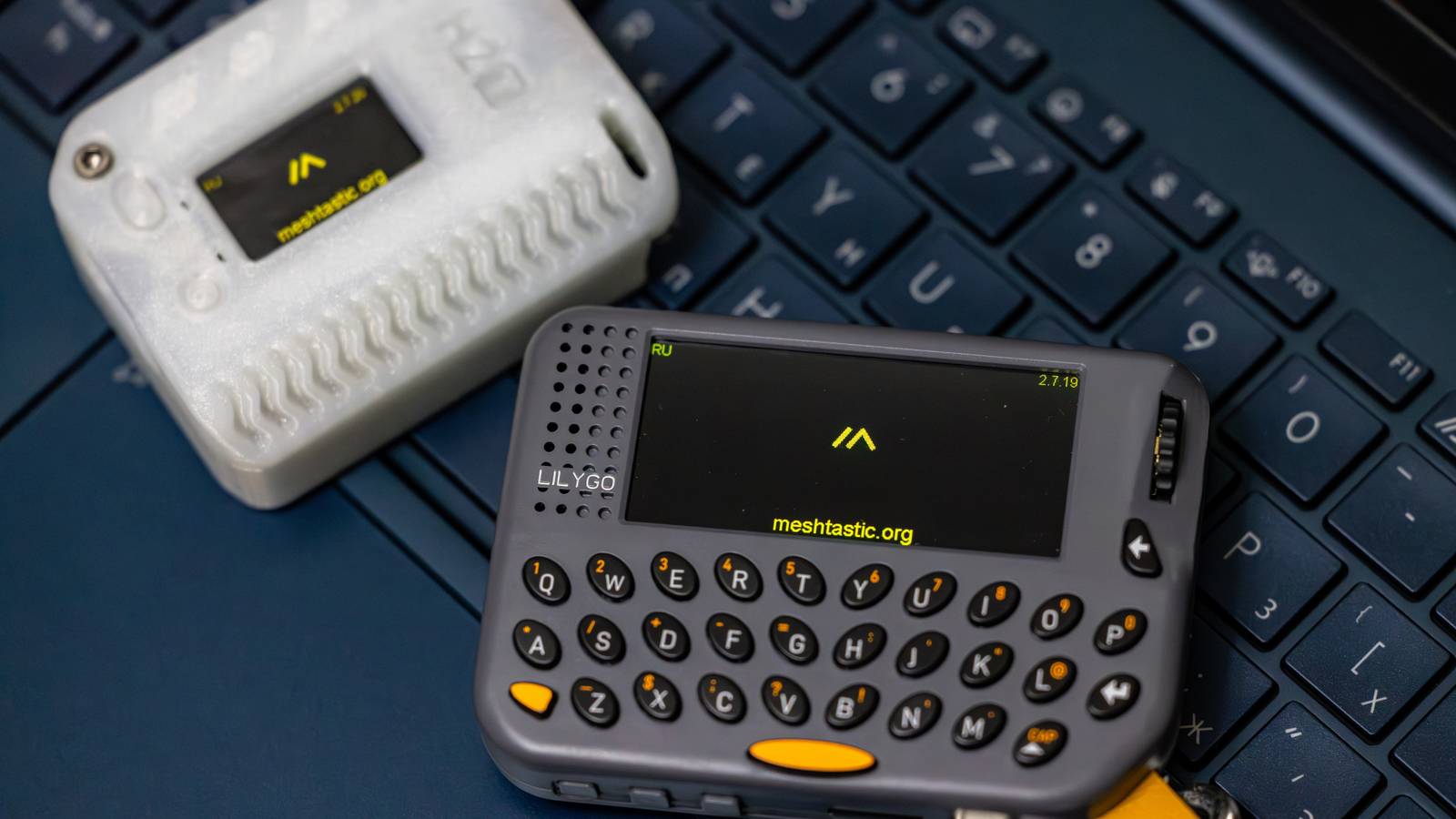
Published Oct 25, 2026, 10:00 AM EDT Sydney Butler is a technology writer with over 20 years of experience as a freelance PC technician and system builder and over a decade as a professional writer. He's worked for more than a decade in user education. On How-To Geek, he writes commerce content, guides, opinions, and specializes in editing hardware and cutting edge technology articles. Sydney started working as a freelance computer technician around the age of 13, before which he was in charge of running the computer center for his school. (He also ran LAN gaming tournaments when the teachers weren't looking!) His interests include VR, PC, Mac, gaming, 3D printing, consumer electronics, the web, and privacy. He holds a Master of Arts degree in Research Psychology with a minor in media and technology studies. His masters dissertation examined the potential for social media to spread misinformation. Outside of How-To Geek, he hosts the Online Tech Tips YouTube Channel, and writes for Online Tech Tips, Switching to Mac, and Helpdesk Geek. Sydney also writes for Expert Reviews UK. He also has bylines at 9to5Mac, 9to5Google, 9to5Toys, Tom's Hardware, MakeTechEasier, and Laptop Mag. When it comes to wireless technologies, most people are aware of Wi-Fi, Bluetooth, and the various cellular standards. However, when you want to send messages or information, there are actually tons of alternative radio-based digital technologies that can get the job done. LoRa is a great technology when you want to send messages between devices somewhere there's no Wi-Fi or cellular reception. It's a long-range, local communication technology that overlaps with three other technologies you might have access to. Zigbee is a radio-based solution for connecting smart home devices. GMRS radios let you talk to people in your vicinity, and the latest smartphones now also have access to satellite texting. So, given all of these technologies can do some of the things that LoRa is used for, how do they each compare? LoRa does a lot with very little data The little signal that could First, I need to clear up that "LoRa" refers to the radio technology, not a complete messaging service. It's up to other devices and software makers to build their communications systems on top of LoRa. "LoRa," by the way, is simply short for "Long Range" and refers to the typical range for LoRa signals at about 6 to 9 miles. The actual throughput is very low — think late '90s dial-up internet — but LoRa needs very little power and uses tiny antennas. So, if you want off-grid messaging using LoRa, then you'd probably use Meshtastic. As one example of a complete communications technology built on this low-power, long-range radio tech. Zigbee makes more sense inside your smart home When you need to communicate from here to over there While LoRa's speed is certainly within the realm of being useful for basic smart home devices, its range is total overkill. When you want to send a signal to turn on a light from one end of your house to the other, having six miles of range brings you zero benefit. Likewise, you have access to mains power, so extreme power savings aren't high up the list of priorities. Which means you're far better off using a purpose-built smart home radio standard like Zigbee. It's not the only one either, since we also have options like Matter and Thread, although there are good reasons why you should choose Zigbee over Thread if you use Home Assistant. Besides, there are entire ecosystems of smart home devices that are built with Zigbee support in mind. Zigbee isn't just a radio technology; it's a full communications standard for smart home devices. Also, Zigbee has a long-range offshoot in the form of Suzi, which also uses low-frequency radio waves to send data over long distances, but benefits from Zigbee's network technology. LoRa can certainly play a part in a smart home setup, but it's not the right technology to take the center stage. GMRS wins when you just want to talk Hello? Is it me you're looking for? Remember getting your first set of walkie-talkie radios as a kid? How you could chat with your friend for free a few blocks down without using a phone? Well, GMRS is like that on steroids. Best of all, you don't need a ham radio license, which can be complicated and expensive. Instead, you need a GMRS license from the FCC, which does not require passing a test and covers a whole family. Making it great for hiking, off-roading, and so on. Ham radio licenses require writing an exam, and only one individual is covered. This isn't about GMRS versus ham, though; this is about LoRa. But the truth is that LoRa is unsuitable for voice communications. Because of that low bitrate, audio has to be compressed to an extreme degree. So it's best just to stick to texting. Satellite texting reaches beyond your local radio network Talk about long range! Credit: Corbin Davenport / GPS.gov Sending a text six miles is impressive, but have you tried beaming it into space? That's what satellite texting services like Garmin's inReach promise, using inReach communicators. Now, it is possible for a LoRa message on a platform like Meshtastic to travel a long way, hopping from one node to the next. However, that path has to exist. Thanks to a (much higher) bird's-eye view, satellite systems can connect two points on Earth with ease. If you own the right model of iPhone, you can send iMessages and SMSes via satellite. As long as you're in the U.S., Mexico, Canada, or Japan. There's a separate satellite-based emergency line these iPhones can reach as well, or you can just press the SOS button on your Garmin inReach device. LoRa could help out in an emergency, but it wouldn't be my first choice if these direct satellite-based emergency solutions are available. Choose around the person or device at the other end LoRa is an awesome technology that you can control, allowing you to bridge cellular and Wi-Fi dead spots and maintain communication. However, it's clearly something you should use where it can play to its strengths. Alternatives that are better in their own niches exist, and ultimately the person or device at the other end also helps determine what tech you'll use.
LoRa vs the alternatives: How it stacks up against Zigbee, GMRS radios, and satellite texting
Full Article
Original Source
Read the full article at Howtogeek →KhanList aggregates and links to publicly available news content. We do not host full articles from third-party sources. Always verify important information with original sources.