
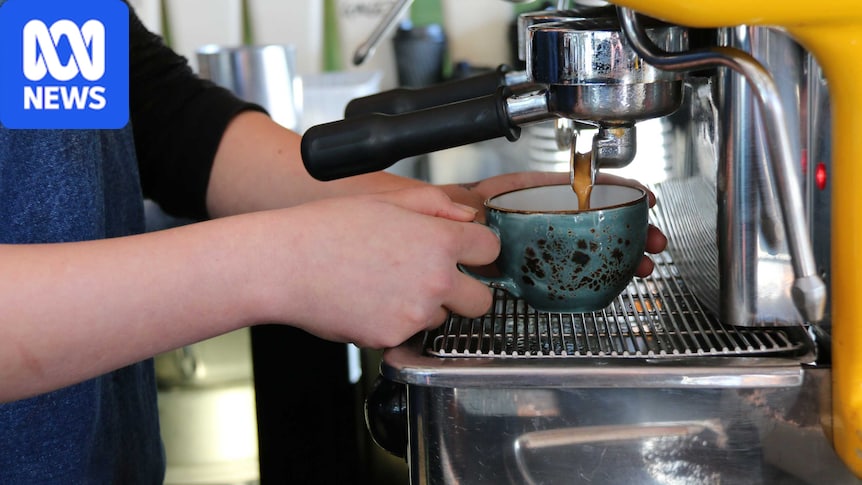
If you're looking for a few extra hours of work or desperately trying to save before university begins, a summer job could be the right fit for you.These seasonal roles can simply be about earning extra cash, but it could help you discover what you love (or hate) doing for work.It could even help with starting a new career.Ben Walker was 16 when he got a casual job at his local supermarket in Sale, in regional Victoria.Ben Walker's first casual job led to ongoing part-time work. (Supplied: Ben Walker)The 21-year-old says that led to the part-time job that now supports him while studying game design at university.In the beginning, Ben says he learnt a lot from interactions with people outside of school and cricket."The people skills, I think, are massive," he says.Why summer is a good time to get a jobThere is an influx of roles in hospitality, retail and tourism ahead of Christmas and summer, says Blair Chapman, the chief economist at employment service Seek."In Australia we get the double dose of Christmas and summer," he says.Retail picks up from early November (because of Black Friday sales), and online shopping has led to an increase in warehouse or "pick-packer roles" too, Dr Chapman says.And given cost-of-living pressures and airfare prices, more Australians are likely to holiday closer to home this summer, he says."That sort of domestic-driven tourism might pick up because people can't afford to go overseas."Dr Chapman says there is also "a bit of an evolution" in who is looking for summer jobs."There's a cost-of-living crunch and people are looking for that second job to help supplement their income," he says.What are the benefits (other than pay)?Grozdana Manalo says her first job as a barista began a "love affair" with coffee and helped her build confidence and communication skills."It also showed me just how hard and long some people work and made me really appreciate being a uni student," she says.She's now a career services manager at the University of Sydney's Business School."Summer jobs can also help students discover what they enjoy, and just as importantly, what they don't," Ms Manalo says.Seasonal and casual roles can also help young people develop professional skills, she says."Teamwork, communication, problem solving and time management — all important skills no matter what job or career you pick in the future."Thinking strategically when applying for jobsIrma Mooi-Reci is a professor of sociology at the University of Melbourne and the CEO of a company specialising in workforce data and skill gaps.She would like young people to think "more strategically" about summer employment."Is it because you want to pay your bills? Is it because you want to have that experience or get a reference? Or is it because you want to get that first permanent job?" she asks.It's worth looking for a job that complements your career goals and whether an employer will see the experience as relevant, Professor Mooi-Reci says."Find something that you like doing, that you feel passionate about and learn as much as possible."Professor Mooi-Reci says young people can become overwhelmed by information and fearmongering about the job market, the value of their degree and artificial intelligence."Don't be afraid, but think strategically," she adds.How to find a summer job (and avoid exploitation)If you're after seasonal work, Ms Manalo recommends looking for roles advertised on social media and job boards, or simply walking into local businesses and asking if there are positions available.She says there are also "hidden job markets", which is why so many positions are filled before they're advertised."This is all about leveraging your personal networks and making it known that you're looking for work," she says.If you're young or have never been employed before, understanding workplace rights and responsibilities is very important, Ms Manalo says.But Professor Mooi-Reci says it can be tricky for some people to resist jobs that have low pay and poor conditions.Avoid jobs that seem exploitative and look for other options, she adds.Ms Manalo says it's also important to keep records of the hours you've worked."Review your pay slips, and ask questions if something doesn't seem right," she says.She recommends the Fair Work Ombudsman website for information and assistance regarding your rights and entitlements.
Looking for a summer job? Here's what to consider
Full Article
Original Source
Read the full article at Abc →KhanList aggregates and links to publicly available news content. We do not host full articles from third-party sources. Always verify important information with original sources.