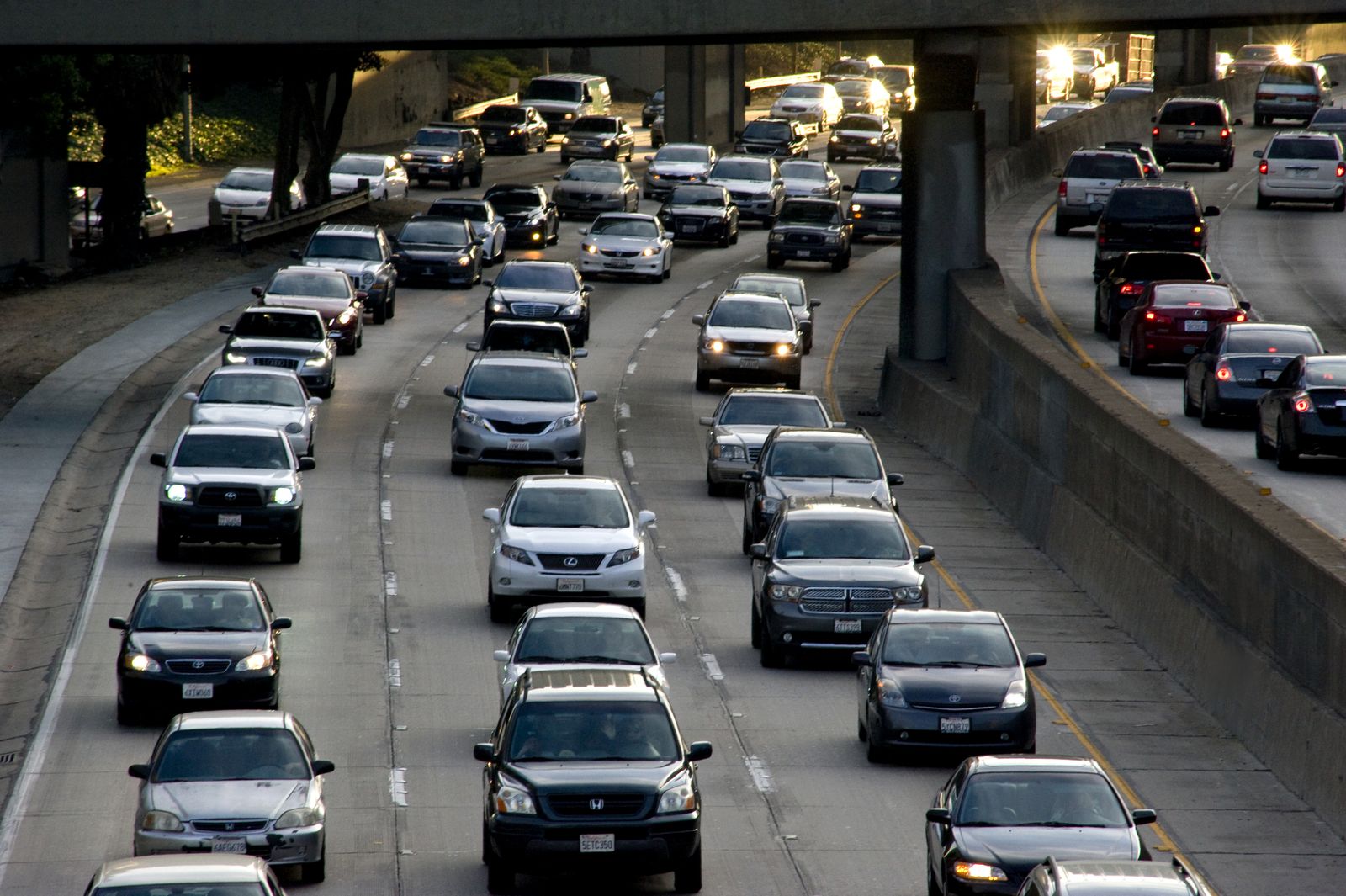
A study that examined 3.1 million adults in Denmark across 18 years found a modest but consistent correlation. The findings hint that disruptive environmental sounds are a credible risk factor for the brain disorder Traffic can be bad for your health in many ways. Now, researchers have found that it might also increase the risk of Parkinson's disease. Robert Landau via Getty Images Dealing with traffic is more than just annoying. It can disrupt your sleep cycle and increase your stress, with impacts on your health. Now, new research hints that long-term exposure to the sounds might also raise the risk of Parkinson’s disease. Parkinson’s disease is a progressive brain disorder that affects more than 11 million people around the world, which is expected to more than double by 2050 as people increasingly live longer. This trend underscores the need to identify the modifiable risks of the disease. After following 3.1 million Danish participants ages 40 and older over the course of 18 years, researchers have found a modest but consistent correlation between the level of traffic noise exposure and the risk of developing the neurodegenerative disease. The new work, described in the journal JAMA Neurology on July 20, represents the largest study of its kind. Chronic noise is “still a young entrant in the Parkinson’s disease risk-factor literature,” says study co-author Thomas Münzel, an environmental cardiologist at the University Medical Center Mainz in Germany, to Ushika Kidd at the Guardian. So, the findings should spur further research on a link between disruptive sounds and the brain disorder. Need to know: Parkinson’s disease Parkinson’s disease is a progressive disorder with motor symptoms including tremors, slowed movement, rigid muscles and poor balance. It’s caused by the death of nerve cells in the brain that produce the chemical messenger dopamine, which is important for controlling movement. In 2025, researchers reported that exposure to loud noises can produce motor deficits in mice whose brains were altered to mimic Parkinson’s disease. Previous smaller studies in Canada and the Netherlands also found a relationship between traffic noise and the disease. The new work “goes a step further,” since it includes data from a much larger cohort and accounts for possible influences of other variables, like socioeconomic status and environmental factors, says Jannette Rodríguez Pallares, a neurobiologist at the University of Santiago de Compostela who wasn’t involved in the research, in expert commentary compiled by Spain’s Science Media Centre. For the study, Münzel and colleagues analyzed whether participants developed Parkinson’s between 2000 and 2017 using the Danish National Patient Register, which records discharge diagnoses of all patients admitted to hospitals. The health information was cross-referenced with estimated road traffic noise levels on different sides of the participants’ dwellings. The team also adjusted for factors including age, sex, income, education and whether individuals lived with other people, which were acquired from national registers. Nearly 20,600 participants developed the neurodegenerative disease over the study period. Analyses revealed that for every 11.5-decibel increase in traffic noise on the most exposed facade of a home, the risk of Parkinson’s went up 3 percent. On the side least exposed to car sounds, every 9-dB increase of noise raised the risk of Parkinson’s by 4 percent. Having a 10-dB noise level difference between these sides of the residence helped mitigate the risks, the team found. The link between traffic noise and Parkinson’s disease remained consistent across various demographic, environmental and socioeconomic factors. “These findings suggest that road traffic noise may be a novel environmental risk factor for [Parkinson’s],” reads an accompanying editorial by experts who were not involved in the study. While the study didn’t look at how noise might increase risk of disease, previous work suggests that disruptive sounds can disturb sleep and trigger a stress response that increases the production of reactive oxygen species. These molecules can cause cellular damage in the brain and seem to play a role in Parkinson’s. “Although it is unlikely that noise directly causes the death of [nerve cells], it may impair the brain’s protective mechanisms and promote biological processes involved in disease development,” Rodríguez Pallares says in the commentary. Anna Hansell, an environmental epidemiologist at the University of Leicester in England, tells the Guardian that noise was “more likely to be a general stressor” than a specific environmental risk factor for Parkinson’s disease. The study design also “doesn’t prove causation,” says Hansell, who wasn’t involved in the study. Still, the findings highlight the importance of addressing noise pollution and its impact on public health. In Europe, one in five people are estimated to be exposed to harmful levels of traffic noise. Ensuring that everyone has access to a quiet corner in their home “may be important for reducing the potential neurodegenerative effects of chronic noise exposure,” the authors write in the study. You Might Also Like Get the latest stories in your inbox every weekday. More about: Brain Disease Disease and Illnesses Health Medicine
Long-Term Exposure to Road Traffic Noise Might Increase Your Risk of Developing Parkinson's Disease, New Research Suggests
Full Article
Original Source
Read the full article at Smithsonianmag →KhanList aggregates and links to publicly available news content. We do not host full articles from third-party sources. Always verify important information with original sources.