
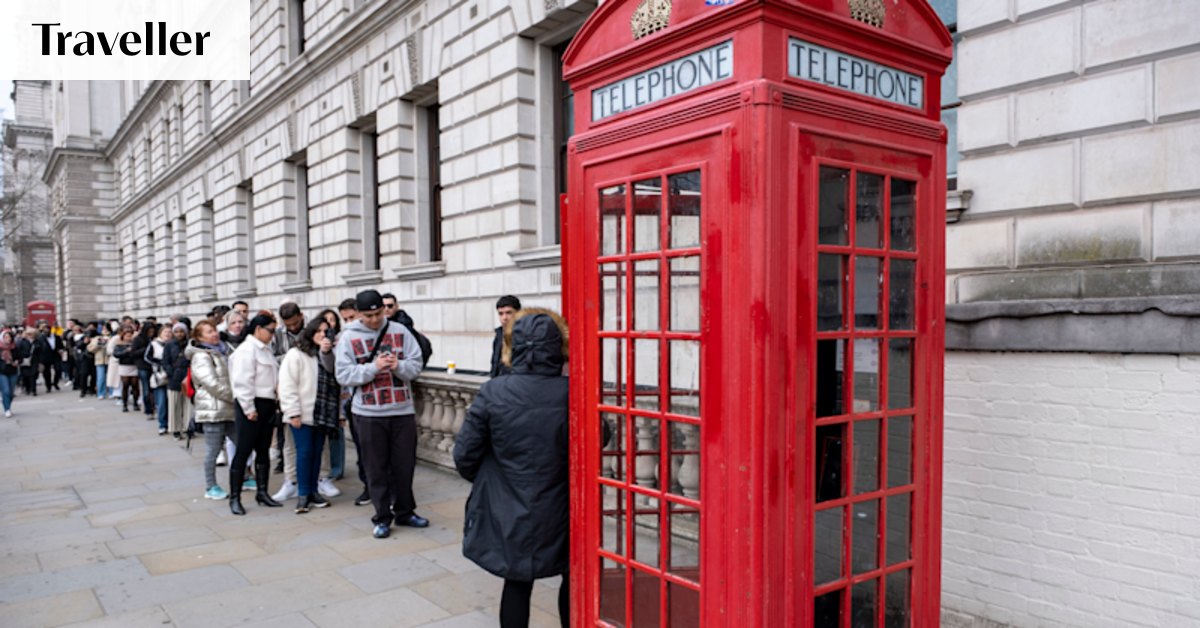
OpinionTravel writerOctober 28, 2026 — 5:00amOctober 28, 2026 — 5:00amThere was always a criticism levelled at Lonely Planet and its famous blue guidebooks, especially in the company’s heyday back in the 1990s and early 2000s: it was ruining destinations.Its readers were slaves to the LP’s advice, zombies following the guides to the letter, all turning up in the same places and doing the same things because one reviewer had been there a few years before. And pretty much everyone had a Lonely Planet back in those days, so this was almost every traveller.Lonely Planet guidebooks were traveller bibles for decades.The restaurants mentioned in the guidebook would be filled with tourists. The hostels got a ticket to two years’ success when they made the Lonely Planet cut. I remember travelling in Vietnam in the early 2000s, from Hanoi to Ho Chi Minh City, and bumping into the same people over and over and again, day after day, because we were all following the same suggested itineraries from the same source.But Lonely Planet doesn’t ruin destinations any more. There’s a far more insidious sheriff in town.Modern-day travellers tend not to get their advice and their inspiration from hard-copy guidebooks. I can’t tell you the last time I saw a person carrying a chunky blue tome overseas.Sign up for the Traveller newsletterThe latest travel news, tips and inspiration delivered to your inbox. Sign up now.But I have seen people with phones, and that’s where all their information is coming from.Tourists queue to get a photo with a classic red phone box in London.Getty ImagesThere have been numerous studies done into this so you can choose to believe whichever numbers you like; however, it’s clear that a huge number of travellers now take their inspiration from social media.An American Express study found that 75 per cent of travellers are inspired to visit a specific destination by their social media feeds. More than 50 per cent choose where to dine when they’re travelling based on the same source. At least half consider how a place will look on social media before making any sort of travel decision.As Beyoncé might say: Who run the world? Algorithms.Lonely Planet starts to look like a very benign presence when you consider the new driver for so many of our decisions when we travel. It’s algorithms lurking in the background, making so many choices for us – or at the very least, deciding on the options we believe are available – when it comes to travel.Algorithms drive your social media feeds. They decide what you’re interested in and then feed you content, often commercial content, that will appeal, while also subtly tugging you in a certain direction. They decide who you see and where you see and what you’ll like and what you’ll hate.Even if you don’t use social media, which is unlikely, algorithms are still working away in the background. When you search for a hotel in a certain destination, algorithms decide the options you’re presented with. When you book a flight, the same technology decides the price and the route it would like you to take.This has been going on for years now – it’s nothing new. But it is in the process of being supercharged, because on top of algorithms now, we have AI. And that is going to change everything.AI is feeding us all information, even if we haven’t consciously chosen to be part of the system. Use Google for a search of what to do or where to eat or where to stay in your chosen destination and Gemini, the company’s generative AI model, will summarise and prioritise results for you. If you’re a rebel, you could use Bing, but Copilot will just do the same.Large language models such as Claude and ChatGPT can spit out a detailed itinerary for any traveller in any place. Strike a few keys and your holiday is planned. Travel websites and even some media organisations now have AI bots to guide you through your bookings. Social media platforms host AI content that is designed to influence consumer decision-making.All this serves to concentrate tourism in the same way Lonely Planet was once accused of doing, only infinitely multiplied. Viral attractions and destinations are pushed into the stratosphere at breathtaking speed now, aided by algorithms and AI engines all replicating suggestions based around perceived popularity and advertising dollar spend.We travellers are all still going to the same places and doing the same things, but this time there are so many more powerful, irresistible forces driving that decision-making. I would still bump into the same people over and again on a trip to Vietnam today, but this time we would all be following the advice of Instagram or ChatGPT.The solution here is the same as it ever was: to trust human sources for analogue advice, and to ignore your phone for a while and make spontaneous decisions based on gut feeling or the thrill of the unknown. Walk into that restaurant no one is talking about. Book a trip to that destination that hasn’t gone viral. Wander aimlessly one day in the hope of finding something good instead of remaining laser-focused on what you’ve already been told is desirable.Or for a truly wild experience, take out that old guidebook and see what’s still around.Ben Groundwater is a Sydney-based travel writer, columnist, broadcaster, author and occasional tour guide with more than 25 years’ experience in media, and a lifetime of experience traversing the globe. He specialises in food and wine – writing about it, as well as consuming it – and at any given moment in time Ben is probably thinking about either ramen in Tokyo, pintxos in San Sebastian, or carbonara in Rome. Follow him on Instagram @bengroundwaterConnect via email.From our partners
Lonely Planet sent us all to the same places. Now it’s worse
Full Article
Original Source
Read the full article at Smh →KhanList aggregates and links to publicly available news content. We do not host full articles from third-party sources. Always verify important information with original sources.