
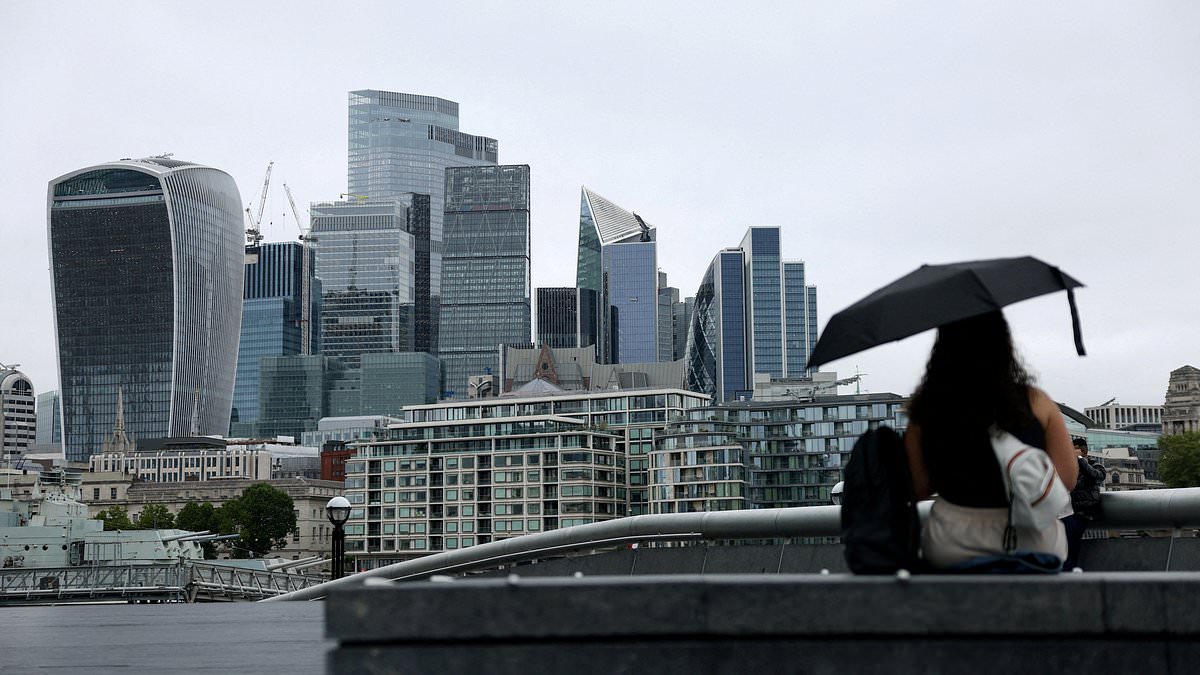
London property prices have fallen by almost £20,000 in the past year, official data has shown. According to the Office for National Statistics (ONS), prices have dropped by £19,788 in the year to September, a drop of 3.5 per cent. It represents a further slide compared to the 2.4 per cent fall recorded in August, and brings the average price down to £545,579. The price of flats brought down the average, dropping by 6.3 per cent or £28,163. It was the 14th consecutive month that they have fallen. The flat market has struggled in recent years as leasehold complications, service charges and cladding have made them a challenge to sell. Prices in inner London suffered even more, dropping by 7.2 per cent in the 12 months to the end of September. This was the biggest drop witnessed since 2009. The average inner london home has fallen by £48,041 from £669,532 to £621,491.The average UK home was estimated to be worth 1.2 per cent more year-on-year despite a 0.5 per cent monthly fall in prices between August and September.The ONS says the typical home is selling for £273,000, which is £3,000 higher than a year ago. Nine out of 12 regions saw average prices fall between August and September. On the way down: The typical London home is now worth £545,579, which is 3.5% lower than a year agoJonathan Hopper of Garrington Property Finders said the drop in prime London property was driven by a lack of international buyers. 'Central London property is often the preserve of discretionary and international buyers, and here demand has cooled dramatically,' he said. 'A series of punitive tax increases have given wealthy buyers pause for thought. Many of those who want to buy, rather than need to buy, are opting to keep their powder dry.'Prices in the South East of England dipped between August and September meaning that year-on-year they are now 0.2 per cent below what they were a year ago. Prices in Wales and the South West saw big monthly falls of around 1 per cent, but remain marginally up year-on-year.In Wales the typical home is 1.8 per cent higher than a year ago, while in the South West prices are up just 0.3 per cent.Prices in Yorkshire and The Humber rose 0.4 per cent in the last month. Average prices there are 2.9 per cent higher than a year ago.It's a similar story in the North West and North East, where prices are up 4.6 per cent and 3.2 per cent on last year.Across the country, the gap between house prices and flat prices continues to widen.The average flat or maisonette is now fetching £191,864 compared to £196,309 a year ago.Meanwhile the average semi-detached house is fetching £278,368 compared to £271,431 a year ago, with a similar trend among terraced houses and detached houses. What next for house prices? Inflation rose to 3.6 per cent in October, the fourth increase in a row. It is forecast to hit 5 per cent next year. This means the Bank of England's interest rate could also rise to curb it, which could result in higher mortgage rates.Buyers and home movers are also seeing more of their disposable income eaten up by rising living costs, which is making people less likely to buy a new and more expensive home. Zoopla says first-time buyers have put moving plans on hold in the wake of the Bank of England's decision to raise the base rate, according to Zoopla.Last week, it revealed there were 27 per cent fewer estate agent enquiries for homes from first-time buyers in the week after the rate hike compared to the same period last year.Meanwhile, estate agents across the country warned housing demand is either 'falling or stagnant' in the latest survey from The Royal Institution of Chartered Surveyors (Rics), citing fewer buyers contacting estate agents and fewer sales being agreed. Ian Futcher, financial planner at wealth management firm Quilter said: 'Higher mortgage rates eat into affordability, and when buyers can borrow less or face larger monthly repayments, there is simply less money chasing property. 'That can force sellers to temper their expectations and puts a natural brake on house price growth. 'The effect is unlikely to be immediate, particularly as fixed mortgage pricing is influenced by financial-market expectations rather than bank rate alone, but higher borrowing costs can gradually work their way through the market.'More of the household budget has to be set aside for the mortgage, leaving less room elsewhere, while prospective movers may decide to stay put rather than take on a more expensive loan.'How to find a new mortgage Mortgage rates have jumped as conflict with Iran has driven up inflation expectations and dashed hopes of interest rate cuts.If you need a mortgage because you are buying a home, or your current fixed rate deal is due to end, you should explore your options as soon as possible. This is Money has a long-standing partnership with fee-free broker L&C, to provide you with expert mortgage advice.Use This is Money and L&Cs best mortgage rates calculator to show deals matching your home value, mortgage size, term and fixed rate needs.Or use L&C’s online Mortgage Finder to search thousands of deals from more than 90 different lenders to discover the best deal for you.Mortgage service provided by London & Country Mortgages (L&C), which is authorised and regulated by the Financial Conduct Authority (registered number: 143002). The FCA does not regulate most Buy to Let mortgages. Your home or property may be repossessed if you do not keep up repayments on your mortgage
London house prices drop nearly £20,000 in a year... while central postcodes see biggest fall since 2009
Full Article
Original Source
Read the full article at Dailymail →KhanList aggregates and links to publicly available news content. We do not host full articles from third-party sources. Always verify important information with original sources.