
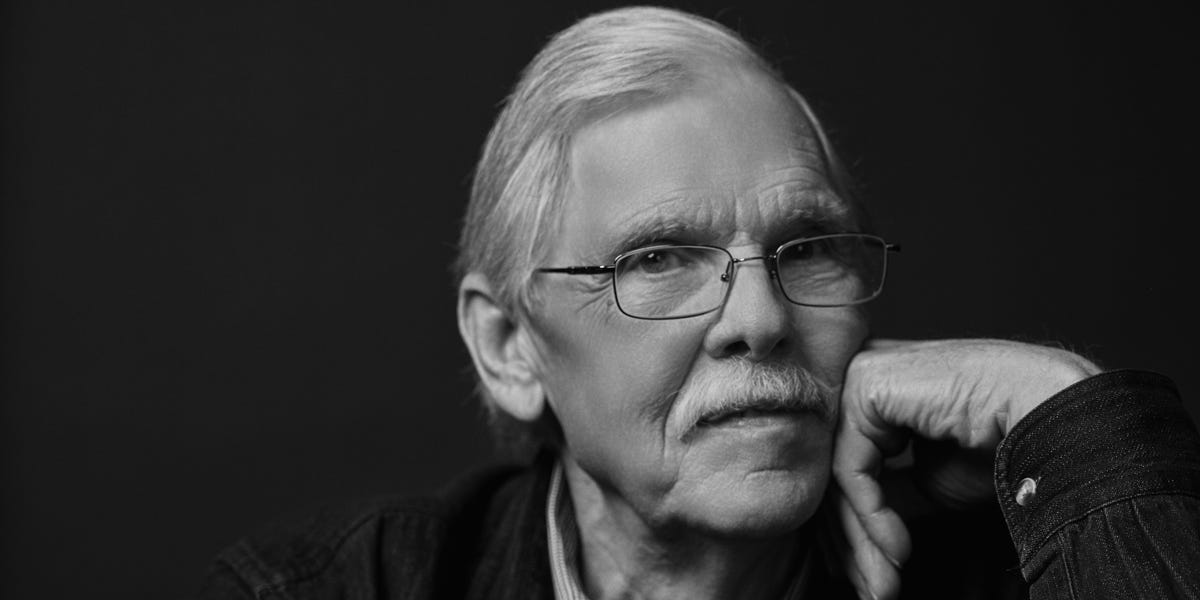
4 min readWhen Tom and his wife, Deborah, retired on the same day in 2014, they looked forward to traveling and spending more time doing the things they loved. Tom threw himself into gardening, tending his bees, and woodworking after a decades-long career in accounting.About a year later, frequent colds and a persistent cough became impossible to ignore. At Deborah’s urging, Tom made an appointment with his primary care doctor. When his physician wasn’t available, he saw another doctor in the practice who happened to have a background in pulmonary medicine.The doctor ordered additional testing, including a high-resolution CT scan, and told Tom the office would “be in touch.” A few days later, Tom received an email filled with what he calls “technical jargon.” Buried near the bottom was a note indicating a probable diagnosis of idiopathic pulmonary fibrosis (IPF), a rare progressive lung disease in which tissue around the tiny air sacs in the lungs becomes thickened and scarred. Over time, that scarring can make the lungs stiff and less able to take in air, causing symptoms such as persistent cough, fatigue, and shortness of breath. Because those symptoms can resemble other conditions, IPF can be difficult to recognize early.For Tom, the diagnosis changed far more than his retirement plans. It changed how he thought about his future—and eventually how he chose to spend the time in front of him.Searching for AnswersThe doctor’s email arrived on a Friday, and Tom and Deborah immediately started researching the conditions online, which ended up being counterproductive. “We read stuff we shouldn’t have read,” Tom says. “It really put us off track and made us really upset about what we were in for and what the future was going to hold for me and her. It was very disturbing.”When they went back to see the doctor, Tom was told that “this stuff kind of smolders, and we can just watch it for a while.” But they weren’t content with doing nothing, so they sought a second opinion.In hindsight, Tom realizes how pivotal those early decisions were—Deborah’s encouragement to seek care early and their decision to get a second opinion rather than settle for the first. While there is no cure for IPF, there are ways to manage the disease and slow its progression, making early diagnosis and specialized care critical.Tom found a specialist who helped put him and Deborah at ease, offering an end-of-day appointment so they had time to ask all the questions they wanted. The conversation helped ease some of their fears and gave Tom a more hopeful perspective on what the future could hold.Finding Purpose Through ServiceEven with that reassurance, the emotional weight of Tom’s diagnosis didn’t immediately lift. A dark cloud still hung over his days. “Even though I was relieved that I shouldn’t look at it as a death sentence, it still felt like one,” Tom says. By then, his gardening and beekeeping had begun to slide.Deborah noticed the change, too. “‘I don’t think you’re as upbeat as you could be,” she told him. “It might be a good idea to find something to take your mind away from this diagnosis.”“[Volunteering] finally helped me realize that I had a purpose in my life.”Tom credits Deborah with helping him navigate some of his darkest days. “I know she’s aware of what’s going on with me,” he says. “So I knew I’d better listen to what she had to say.”It didn’t take long for Tom to find a new sense of purpose. He remembered seeing volunteers at a hospital when visiting a friend years earlier and thinking it was something he’d like to do when he had the time.Well, he had the time, so he began volunteering for a nonprofit meal delivery program serving older adults and other homebound members of the community. For Tom, it wasn’t just about delivering meals—he was building relationships. He got to know the people on his route and their families. He describes them as friends who helped change his life.After a heart attack in 2020, Tom shifted his volunteer efforts to a local hospital, where he now volunteers twice a week. Helping others became a part of who he is. “It finally helped me realize that I had a purpose in my life,” he says. “It gives me great joy and satisfaction. I’m helping other people. I’m not just worried about myself.”Tom has also found purpose in mentoring others through Boehringer Ingelheim’s Lungs&You Patient Mentor Program and Beyond the Scars, a campaign developed to educate patients and caregivers about ILD. Through these efforts, he shares his experience with pulmonary fibrosis and offers encouragement and perspective to others. The opportunity to support fellow patients has helped him feel empowered—not only in navigating his own diagnosis, but also in using his experience to make a difference in someone else’s life.A New PerspectiveThat feeling of looking outward allows Tom to live in the present and find the joy in each day.“What it did was ease my mind. I spent my whole 40-some-year career doing accounting and finance and not thinking about anybody else,” he says. “When I started volunteering, I realized there’s a whole new world out there of people that need help, and you can do something about it.”“I live a fuller life now than I ever did before.”As Tom became more active and focused on helping others, the hobbies that brought him joy naturally came back into his life. He started tending to his bees and spending time in the garden again. Volunteering had given him far more than a sense of purpose.“Not only did it help me mentally, it got me more active,” Tom says. “It helped me physically. It helped me emotionally. I live a fuller life now than I ever did before. We were all put on this earth for a purpose. Your goal in life is to find out what that is.”
Living With a Rare Lung Disease Changed My Life in Ways I Never Expected
Full Article
Original Source
Read the full article at Popularmechanics →KhanList aggregates and links to publicly available news content. We do not host full articles from third-party sources. Always verify important information with original sources.