
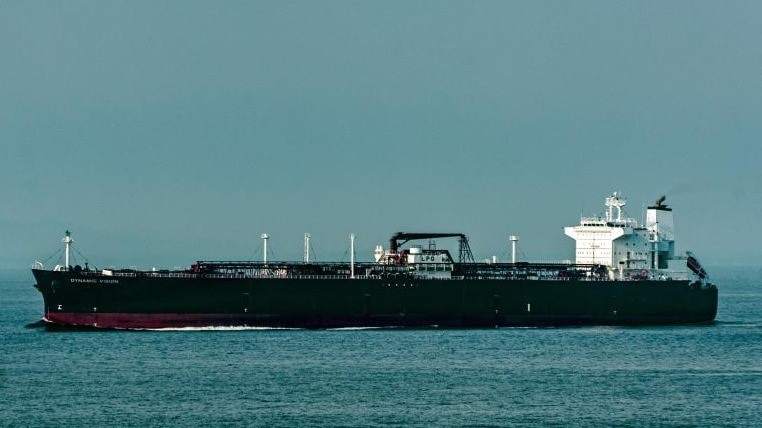
Download AppNewsWorldLive: Yemen's Houthis say they targeted Saudi oil vessel in Gulf of AdenMiddle East conflictUS-Iran War News Live Updates: Iran has stepped up diplomatic efforts to avert another round of US strikes, warning Gulf states that any attack on its territory would trigger retaliation against energy infrastructure, oil facilities and US-linked assets across the region, reported Reuters. Foreign Minister Abbas Araqchi urged Saudi Arabia, Qatar and other regional partners to press Washington towards diplomacy, while Saudi Crown Prince Mohammed bin Salman reportedly asked US President Donald Trump to delay military action and revive negotiations. Trump later said talks were "moving along nicely" but warned Iran would be hit "really hard" if diplomacy failed. Even as Tehran denied formal peace talks, it confirmed progress with Oman on a proposed framework to manage shipping through the Strait of Hormuz, one of the world's most critical oil chokepoints. The proposed arrangement could give Iran greater oversight of ships entering the Gulf, although key disagreements remain. Markets reacted cautiously, with hopes of de-escalation weighing on oil prices, while continued shipping risks kept traders on edge. Tensions remained high after Yemen's Iran-backed Houthis claimed fresh attacks on Saudi oil tankers in the Red Sea and Gulf of Aden, adding to concerns over global energy supplies and regional stability. Follow IndiaToday.in for live updates....Read MoreAug 6, 2026 01:44 ISTMiddle East crisis: Houthis claim missile strike on Saudi oil vessel in Gulf of AdenYemen's Iran-aligned Houthi rebels on Wednesday claimed responsibility for a missile attack on a Saudi oil vessel in the Gulf of Aden, saying the strike was part of efforts to enforce what it described as a maritime blockade against Saudi Arabia. In a statement on Telegram, Houthi military spokesperson Yahya Saree said the vessel, identified as the Daisy, was hit by a ballistic missile, forcing it to turn back. "This targeting is part of an effort to enforce a maritime blockade on the Saudi enemy," Saree said.Aug 6, 2026 01:43 ISTUS Iran war: Here's what happened so far Iran warned Gulf states that any fresh US strike on its territory would trigger retaliatory attacks on critical energy infrastructure across the region. Iranian Foreign Minister Abbas Araqchi held urgent talks with Saudi Arabia, Qatar, Turkiye and Pakistan, urging them to persuade Washington to avoid another military offensive. Tehran said diplomacy remained the preferred path but warned it was prepared to retaliate against US military assets and Gulf energy facilities if attacked. Saudi Crown Prince Mohammed bin Salman reportedly urged US President Donald Trump to delay military action, pursue negotiations and secure a ceasefire. Saudi Arabia also conveyed that it would militarily defend itself if Iranian retaliation targeted its territory. Qatar, Oman and Saudi Arabia have all pushed Washington to resume diplomacy with Tehran to prevent a wider regional conflict. Iranian officials warned that another US strike could turn the Middle East into a "fireball" by expanding the conflict across the Gulf. Tehran threatened to target refineries, oil fields, power grids, transport networks and water infrastructure across Gulf countries in the event of renewed hostilities. Iranian officials invoked the 2019 attacks on Saudi Aramco facilities as an example of the vulnerability of Gulf energy infrastructure. Iran argued that threatening regional infrastructure would raise the economic and strategic cost of any future US military action. Trump said he cancelled planned strikes on Iran on August 2 after seeing an opportunity for a rapid diplomatic agreement. Trump later described recent US-Iran contacts as "an all-day negotiation" and said discussions were "moving along nicely", while warning Iran would be hit "really hard" if talks failed. Iran denied direct peace talks with Washington but confirmed negotiations with Oman on managing shipping through the Strait of Hormuz. Tehran said it had reached an understanding with Oman on the proposed Hormuz shipping route and that a joint announcement was being finalised. The proposed Hormuz arrangement remains incomplete, with disagreements persisting over the extent of Iran's control over commercial shipping. Before the conflict began in February, around one-fifth of the world's crude oil and liquefied natural gas moved through the Strait of Hormuz. Oil prices remained volatile as traders balanced hopes of a diplomatic breakthrough against continued uncertainty over shipping security. Brent crude settled slightly higher, while US crude slipped after investors weighed the prospects of de-escalation and rising US crude inventories. Reports of progress in negotiations helped push Brent below $80 a barrel for the first time since mid-July. Analysts said the biggest unresolved issue remained whether Iran would be allowed to exercise any control over shipping through the Strait of Hormuz. US crude inventories unexpectedly rose by 2.5 million barrels last week, adding downward pressure on oil prices. Yemen's Iran-backed Houthi rebels claimed responsibility for attacks on a Saudi oil tanker near Yanbu and another vessel in the Gulf of Aden, further threatening Red Sea shipping. Shipping disruptions have also intensified in the Black Sea, where attacks on Russian and Ukrainian ports and vessels continue to affect global commodity supplies. Kazakhstan's Caspian Pipeline Consortium has repeatedly suspended operations this week because of security concerns and a shortage of tankers. China further relaxed fuel export controls in August, a move that could influence regional fuel markets amid ongoing geopolitical uncertainty.
Live: Yemen's Houthis say they targeted Saudi oil vessel in Gulf of Aden
Full Article
Original Source
Read the full article at Indiatoday →KhanList aggregates and links to publicly available news content. We do not host full articles from third-party sources. Always verify important information with original sources.