
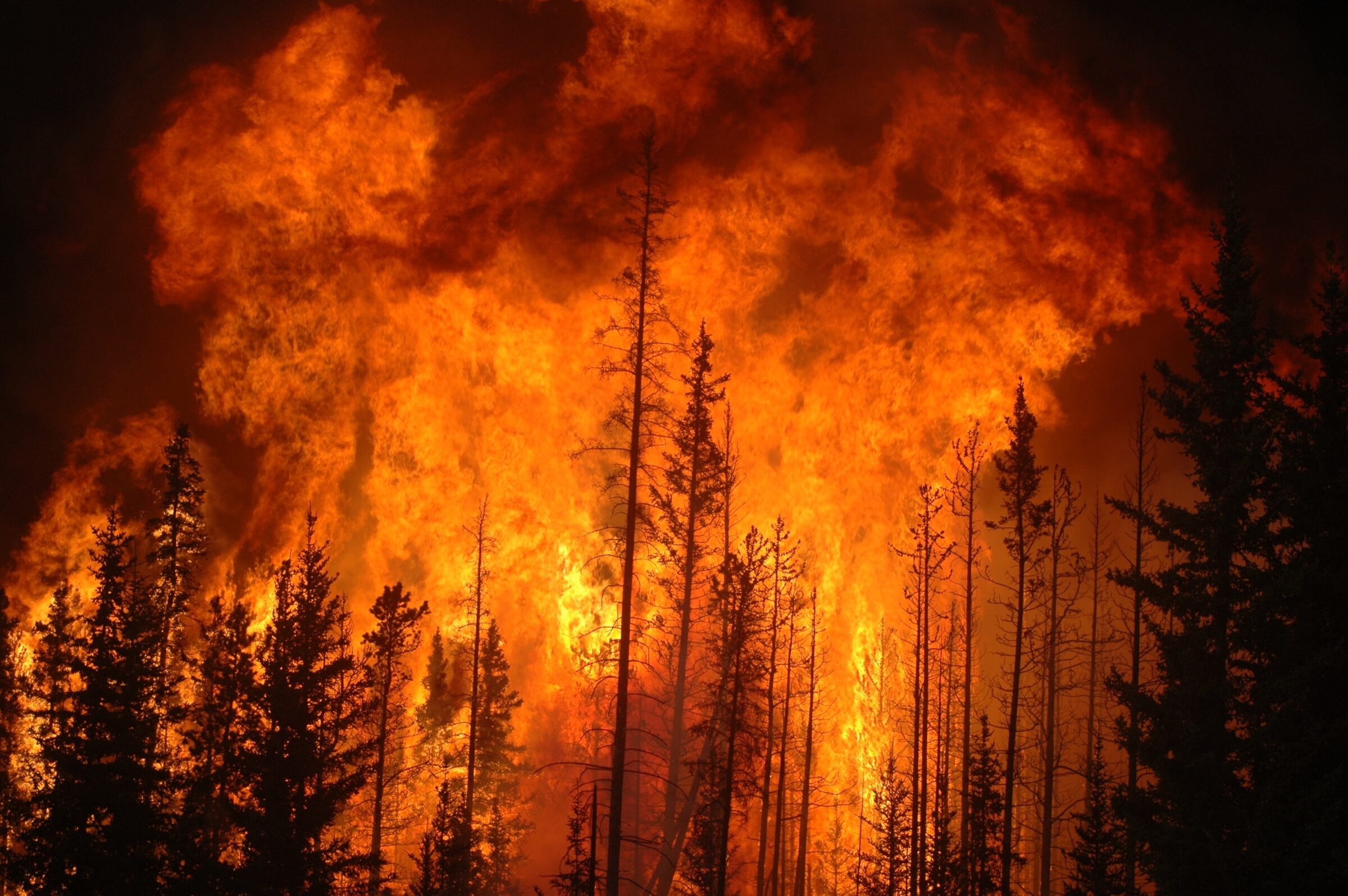
Production: By Europod, in co-production with Sphera Network. EUobserver is proud to have an editorial partnership with Europod to co-publish the podcast series “Briefed” hosted by Léa Marchal. The podcast is available on all major platforms. Find the full transcript below: After a summer marked by heatwaves, wildfires and droughts, climate is back on the European agenda. But is it really? After this summer’s wildfires, heat-related deaths and heavily affected agricultural harvests, Europeans are waiting for new proposals. According to an electoral survey conducted in France at the beginning of October, environmental issues rank third among the concerns of the 13,000 people surveyed. They come after economic and social issues, but well ahead of security concerns, for example. At the EU level, last year, two-thirds of Europeans were already concerned about natural disasters made worse by climate change. In this context, we could see climate marches return. In France, demonstrations are planned in several major cities on 26 September, while in Brussels, the next climate march will take place on 11 October. So Ursula von der Leyen is under pressure to respond. But what can we realistically expect from her State of the Union speech? We shouldn’t expect anything comparable to the announcements made under the European Green Deal between 2019 and 2021. Back then, the commission put around a dozen major pieces of legislation on the table, with significant implications for polluting industries. Today, the political context is very different. The commission is under pressure to deregulate and loosen many environmental requirements, while the European Parliament itself is becoming increasingly polarised, particularly because of the growing influence of far-right groups with a clear deregulation agenda. Yesterday in Strasbourg, MEPs debated the recent heatwaves and wildfires. There was agreement across political groups on one point: Europe needs more resources to fight wildfires. Everyone agrees on supporting firefighters in each country and providing more human and material resources through the EU’s Civil Protection Mechanism. But beyond that, it was more of a dialogue of the deaf. Many MEPs called for greater efforts to prevent global warming, but there was no concrete demand for specific measures. In reality, much of the debate was between the far right and the rest of Parliament over whether reducing greenhouse gas emissions is even relevant. Does that mean the EU will stop introducing new environmental legislation? Yes and no. There are areas where the commission has already made commitments and will have to continue working, such as carbon pricing and vehicle emissions. On these issues, either the EU continues along the original path, or ambitions are scaled back along the way. And that happens quite often. Now, there are a few things the commission could present. According to Euractiv, Ursula von der Leyen is expected to announce a Water Act in her speech, following this summer’s droughts. We don’t yet know what the legislation will contain, but we can expect it to focus on making better use of water resources. However, the commission is also facing strong pressure to loosen existing rules on water pollution, so we shouldn’t expect the proposal to be particularly ambitious. Von der Leyen is also expected to refer to a future initiative on climate resilience and risk management. That initiative is already planned for October and has already been announced. It should focus on making sure that EU countries prepare for global warming. Nothing revolutionary. And that’s probably the main takeaway on climate and the environment: don’t expect anything big from this State of the Union speech.
Listen: What should Europeans expect from Ursula von der Leyen on climate?
Full Article
Original Source
Read the full article at Euobserver →KhanList aggregates and links to publicly available news content. We do not host full articles from third-party sources. Always verify important information with original sources.