
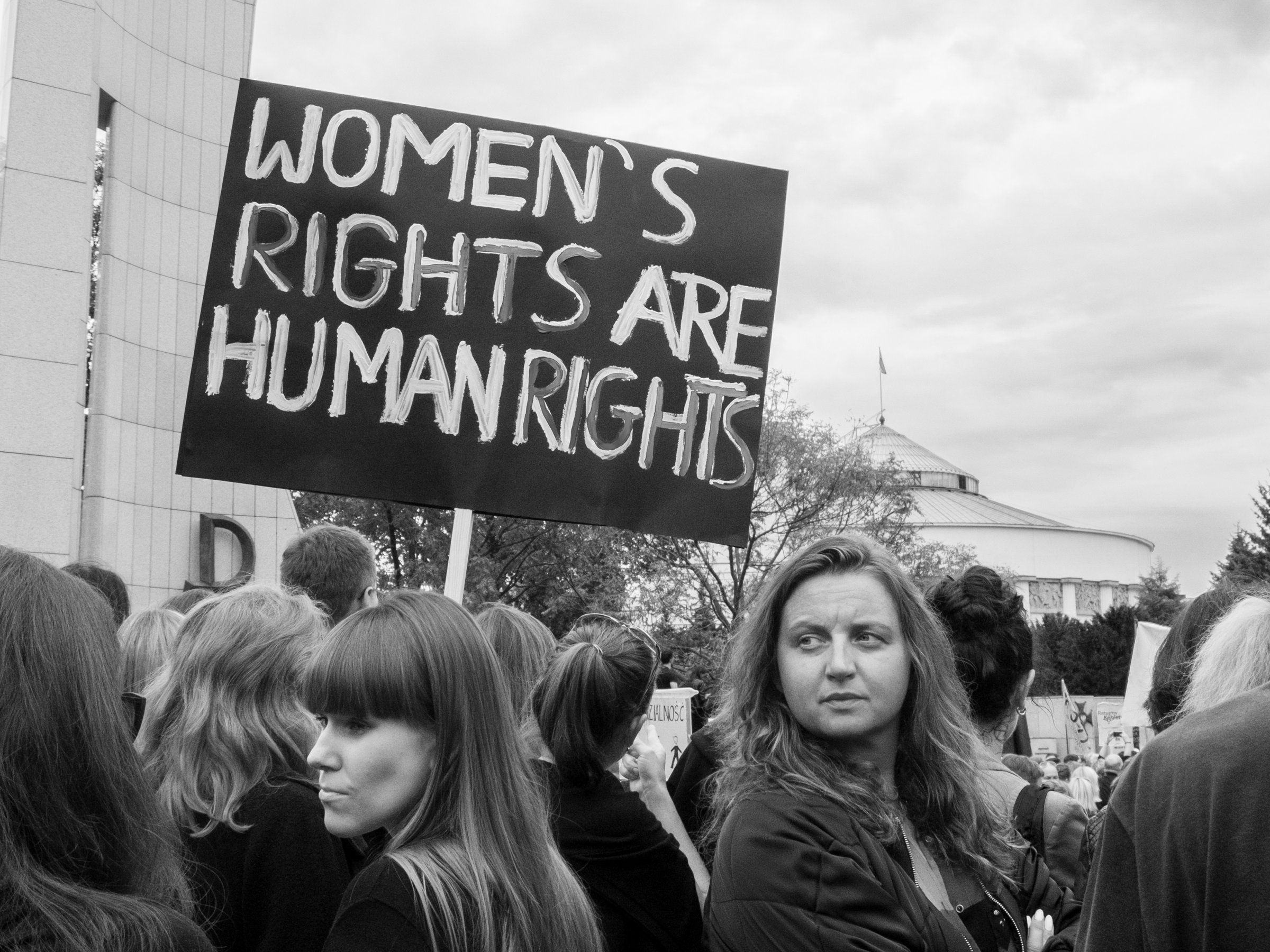
Production: By Europod, in co-production with Sphera Network. EUobserver is proud to have an editorial partnership with Europod to co-publish the podcast series “Briefed” hosted by Léa Marchal. The podcast is available on all major platforms. Find the full transcript below: For a long time, far-right parties were associated with an openly conservative discourse on women, the family and gender roles. But in recent years, some of these parties across Europe have softened their rhetoric, even presenting themselves as defenders of women. What does the European far right really have in store for women? “Femicide is murder like any other.” That’s what Roberto Vannacci, leader of the far-right party Futuro Nazionale in Italy, thinks. Less than a year ago, femicide was introduced into Italian law in a bill unanimously approved by MPs. But Vannacci wants to see femicide removed from the criminal code, in the name of equality. According to Vannacci, “there is no need to protect one group over another, and so everyone must be subject to the same rules. A crime is not more or less serious based on the gender, skin colour or religion of the perpetrator or the victim: that is true equality.” Vannacci has repeatedly hammered home this point over the summer and has even said he would be willing to vote on the issue again. And this would have implications. Our colleague Melissa Aglietti from VD News, a member of the Sphera Network alongside Europod, points out that according to ISTAT data, while the overall number of murders in Italy fell by 15 percent this year, the number of women killed by their partners or ex-partners remained unchanged from the previous year. Femicide is a serious and dramatic issue we should not overlook. Giorgia Meloni, Italy’s far-right prime minister, has distanced herself from these remarks. She reminded people that she is a woman who wants to defend women. However, she has always been careful not to call herself a feminist. Instead, she presents herself primarily as a Christian mother. Her government actually promotes a very traditional vision of the family and motherhood. In April 2024, her party, Fratelli d’Italia, backed a measure allowing anti-abortion activists to enter public health clinics where abortions are carried out. The measure was presented as a way of giving women a choice. In practice, critics argue that it puts considerable psychological pressure on women who want to have an abortion. Now, let’s look at how other far-right movements in Europe treat women. In Germany, the AfD, which has just won the elections in Saxony-Anhalt, considers that abortion should only be allowed as an exception in cases of rape or danger to the woman’s life. Such a measure could only be introduced at the federal level. But here is what they intend to do at the regional level in Saxony-Anhalt if they come to power: the AfD wants to change the mandatory counselling that takes place before an abortion. They want counsellors to focus more strongly on encouraging women to continue their pregnancies. And this is the kind of thing that we know can have a really bad psychological impact on women. Now, in other countries, including France, Finland and Spain, far-right parties have taken a different approach. Rather than openly attacking abortion, they are increasingly talking about women and their rights — and often claiming to defend them. In practice, though, policies that promote the traditional family model are the norm: a mother and a father, with the mother caring for children at home. In Finland, for example, the right-wing populist Finns Party is blocking reforms designed to make it easier for women to return to work after having a child. In France, the far-right party Rassemblement National has a new obsession: the veil for women. Marine Le Pen recently announced that she plans to fine women for wearing the Islamic veil in public if she ever comes to power. The party claims that the ban would “protect and liberate” women from “Islamist” ideology, but critics argue that such a measure would actually financially penalise the women concerned, restrict their freedom and risk isolating them socially. In this case, Marine Le Pen’s party pretends to take up the defence of women only in order to identify a common enemy — Islam — and to justify discriminatory policies. This rhetoric has been theorised by US researcher Sara R. Farris under the term femonationalism. And politically, it can be very useful at the ballot box.
Listen: How the far right threatens women’s rights
Full Article
Original Source
Read the full article at Euobserver →KhanList aggregates and links to publicly available news content. We do not host full articles from third-party sources. Always verify important information with original sources.