
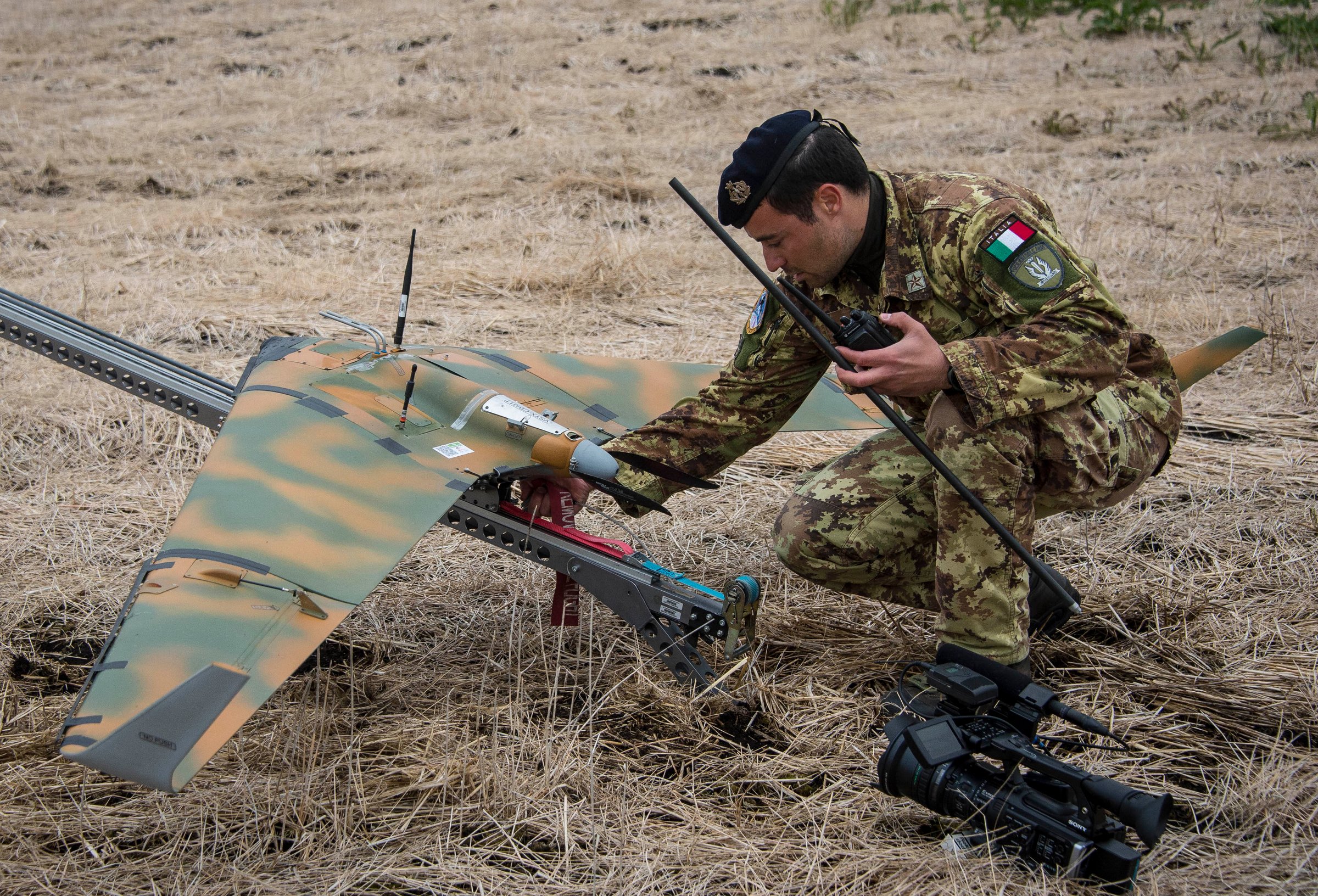
Production: By Europod, in co-production with Sphera Network. EUobserver is proud to have an editorial partnership with Europod to co-publish the podcast series “Briefed” hosted by Léa Marchal. The podcast is available on all major platforms. Find the full transcript below: At this stage, there is no evidence to suggest that Russia is preparing to attack a European country in the coming years. This assessment, shared by European intelligence services, is not unanimously accepted across Europe. So what should Europeans really fear from Russia? Russia may provoke Europe at every opportunity, but according to European intelligence, it does not currently pose a military threat to EU countries. The intelligence services acknowledge that Russia is carrying out hybrid attacks, cyberattacks and disinformation campaigns. But at this stage, they see no signs that Russia is actually preparing for a conventional military attack. On the contrary, German intelligence services warned last year that Russia could be militarily ready to attack a Nato country by 2029. As for Polish prime minister Donald Tusk, he tweeted this weekend that Europe needs to prepare for different scenarios. In his view, we cannot rule out the possibility of Russia provoking one of Nato members. And by “provocation”, we can mean many things. With its countless drone incursions into European airspace, Russia has already tested the waters when it comes to provocation. So why, then, don’t Europeans consider these drone incursions to be attacks? These operations fall into the category of hybrid threats — meaning they can have both a military and a civilian dimension. And Russia has never claimed responsibility for all the drones flying over EU territory. That is partly why Europeans were initially reluctant to shoot down unauthorised drones entering their airspace. And there are also obvious safety concerns. Shooting down a drone means taking the risk that falling debris could injure civilians on the ground. But things changed somewhat after a drone crashed into a building in Romania last May. The explosion caused a fire and injured two people in the city of Galați. And an investigation determined that it was indeed a Russian drone, although the Kremlin disputes the findings. It is true that, from that point on, Romania — and other European countries — changed the way they deal with drones. But they did not go as far as activating Article 5 of Nato. As a reminder, Article 5 is the provision that guarantees solidarity among Nato members if one of them is attacked. So why wasn’t it triggered? Well, Europeans considered the incident to be a consequence of the war in Ukraine, rather than a deliberate armed attack. Romania did, for a while, consider invoking Article 4 of the Nato treaty. This provides for consultations with the other Nato members, and the threshold is broader: a country can invoke it whenever it considers that its territorial integrity or political independence is under threat. But Romania ultimately decided not to, because it believed it would not add much, and could give the incident a much broader political significance. The fact remains that this incident did not stop Russia from continuing to send drones into European airspace. The difference is that Europeans are now shooting them down more systematically — something they were much more reluctant to do before. But that is where the EU’s response stops. There is no question of joining the escalation. In other words, Europeans are doing everything they can to avoid provoking Vladimir Putin. The European approach is to preserve peace at all costs. That doesn’t mean they aren’t preparing to defend themselves — at least to some extent. And that is exactly what Europeans are doing.
Listen: How credible is the Russian threat for the EU?
Full Article
Original Source
Read the full article at Euobserver →KhanList aggregates and links to publicly available news content. We do not host full articles from third-party sources. Always verify important information with original sources.