
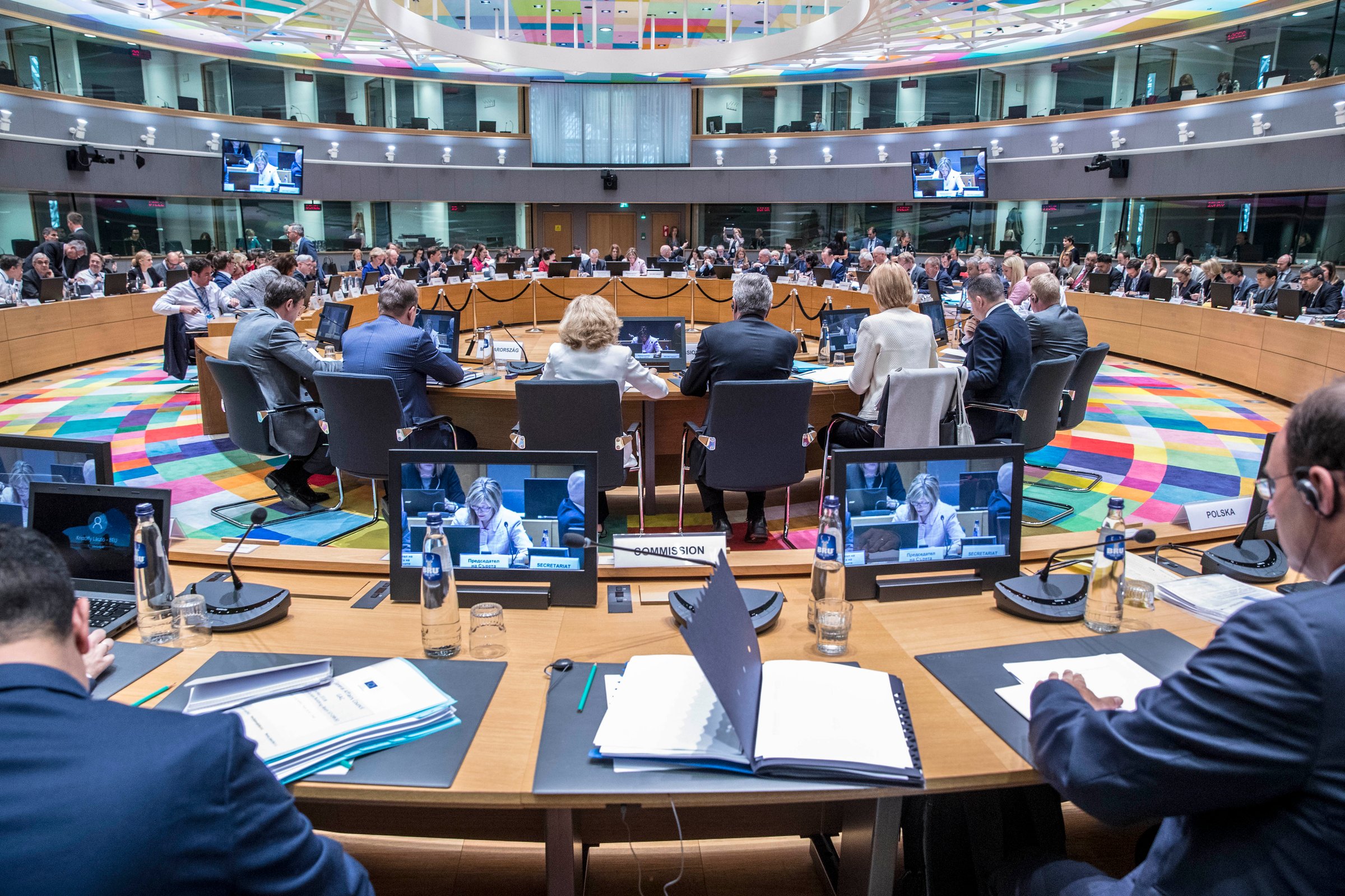
Production: By Europod, in co-production with Sphera Network. EUobserver is proud to have an editorial partnership with Europod to co-publish the podcast series “Briefed” hosted by Léa Marchal. The podcast is available on all major platforms. Find the full transcript below: The EU is negotiating its next long-term budget, worth 2 trillion euros. But reaching an agreement among the 27 member states is proving difficult. The deadline is approaching, and the stakes are high. Will the EU member states be able to agree on the budget? And what are the different options? The bloc’s next long-term budget covers the period from 2028 to 2032. The aim is to reach an agreement by the end of this year. Then, in 2027, the European Parliament will have to give its consent, and the political agreement will need to be translated into legislation, with funding allocated to the different programmes. But with just three months left before the end of the year, reaching a deal on time is proving difficult. A meeting of EU ministers dedicated to the budget last week led nowhere. Countries stuck to their positions. On one side are the so-called frugals: Germany, Austria, Denmark, Finland, the Netherlands and Sweden. But they prefer to call themselves “modernisers”. They want to limit spending and are reluctant to increase their contributions to the EU budget. On the other side are countries worried about receiving less European funding in the years to come. The European Commission argues that the next budget needs to be bigger than the previous one to address new challenges, including European competitiveness and defence. And it’s not just the Commission’s view. The European Parliament and many observers share it. But the countries calling for spending cuts say the EU cannot simply add new priorities to existing ones. They argue that choices have to be made. So the Commission has proposed another option: increasing the EU’s own resources. These are revenues that go directly into the European budget, rather than relying entirely on contributions from member states. The idea is to raise additional money without asking national governments to pay more. But this proposal is also facing opposition from countries calling for spending restraint. They argue that the bloc should not simply look for more money to fund all its priorities. So how can the 27 countries break the deadlock? When ministers cannot reach an agreement, the issue is taken up by EU leaders themselves. And that is exactly what is expected to happen in the coming months. The president of the European Council is planning several meetings of EU leaders before the end of the year, in an attempt to bring countries closer together. He is even said to be considering a summit lasting three to four days at the end of November, to give leaders enough time to reach an agreement and avoid a difficult December. But what happens if the 27 countries still fail to agree before the end of the year? There is some room for manoeuvre in 2027. According to media reports, several dates have already been set aside early next year for last-minute negotiations, should an agreement not be reached in time. But this leaves very little room for delay. The European Parliament will still need several months to give its consent, and the EU will then have to finalise the legislation and prepare the different programmes. That brings us very close to 2028, when the new budget is supposed to take effect. And if everything is not ready by then, the EU does have a mechanism to keep things running. It can continue covering certain ongoing expenses and payments that have already been committed, even without a new long-term budget in place. Unlike in the United States, where a budget deadlock can lead to a government shutdown and some public employees being temporarily sent home without pay, the EU has a system designed to avoid such a complete halt. But this would only be a temporary solution. It would not provide the certainty needed to launch new programmes or guarantee that all European funding will be available as planned.
Listen: Can EU countries agree on the next long-term budget?
Full Article
Original Source
Read the full article at Euobserver →KhanList aggregates and links to publicly available news content. We do not host full articles from third-party sources. Always verify important information with original sources.