
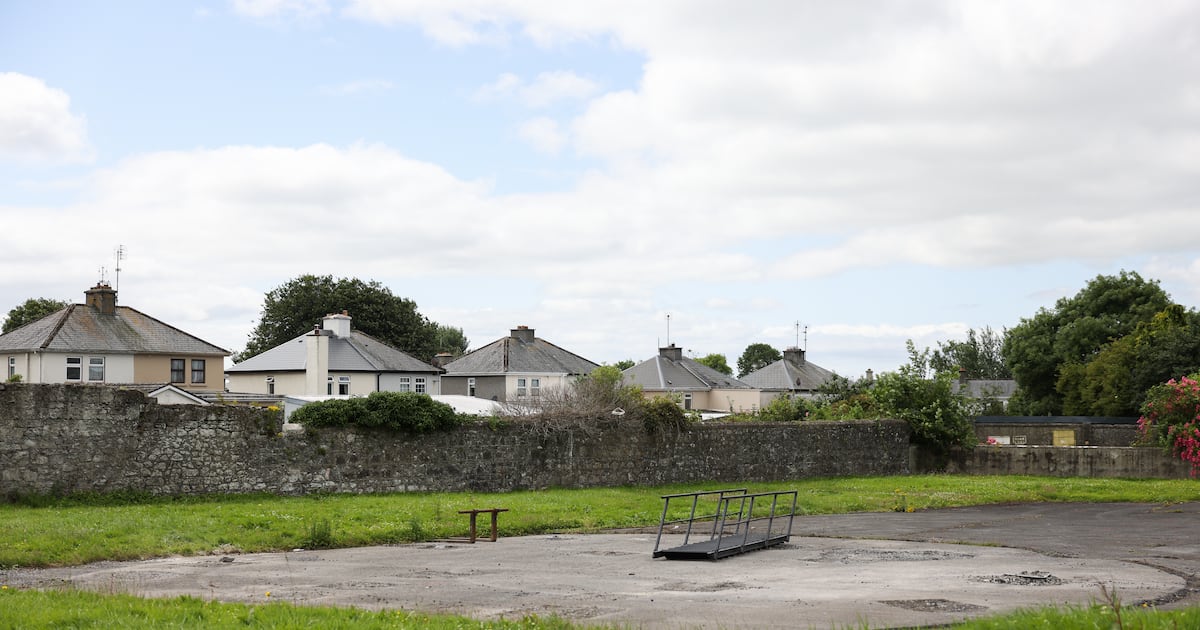
A full list of the names of more than 800 children who died at the former mother and baby home in Tuam, Co Galway, has been published online in a bid to get potential family members to come forward.The Office of the Director of Authorised Intervention, Tuam (Odait) has published details of the 802 names and their ages based on available records in the hope that family members will provide DNA samples.The ages of the deceased ranged from “5 minutes” in the case of a newborn whose date of death was recorded as December 2nd, 1938, to nine years of age in the case of a girl who died on March 27th, 1932.“Odait understands the sensitivity of publishing this new information, it may be the first time a family becomes aware that their relative died in the institution,” it said in a statement on Tuesday morning, adding that details of support services are available on its website.READ MOREIn 2014, research by local historian Catherine Corless revealed that 796 children died at the institution, with a lack of burial records indicating the children could have been buried on the site.[ Number of mother and baby home redress applications triples after awareness campaignOpens in new window ]Based on the records Odait has access to, some of which are not in the public domain, it said it was able to identify an additional six names that were not previously on available lists.In publishing the details of those who died at the Tuam institution run by the Bon Secours religious order between 1925 and 1961, Daniel MacSweeney, director of Odait, said: “We are seeking to balance, on the one hand the privacy of living relatives and on the other the interest for family members to recognise their relatives’ names; to have the opportunity to either provide a DNA sample or object to the provision of a DNA sample.”Eligible family members have until September 24th next year to apply to provide a DNA sample to help identify their family member.Odait director Daniel MacSweeney. Photograph: Enda O'Dowd/The Irish Times Odait said eligible family members can also come forward if they wish to register an objection to the participation in the identification programme of another eligible family member. Those who wish to do so have until February 26th to register an objection. The Institutional Burials Act 2022 allows for the closest living relatives of the deceased to object.“This may apply to some individuals, depending on their family situation. Objections are provided for in order to balance the public interest in identifying human remains recovered from the Tuam site with the privacy rights of close living relatives,” Odait said.It said it would make “reasonable efforts” to contact possible objectors to give them the opportunity to object where an individual comes forward to provide a DNA sample.Objections will be considered on the basis of the “closeness of the relationship” of the applicant and the deceased, and the public interest of identifying human remains, it said.Odait has launched a public information campaign in the hope that family members will provide DNA samples Odait launched a public information campaign on Tuesday that features six individuals, described as a “living link”, who have provided samples already to help find their family members.Some 109 bodies have been recovered since a forensic excavation of the site began in July 2025. It is expected to take two years to complete.[ Catherine Corless: ‘I was always a bit determined. I was teased a lot growing up’Opens in new window ]Seventy-four DNA samples have been taken from eligible family members to date.“This process is complex and identifying the human remains will be hugely challenging and is only possible with the support of the family members,” Odait said.
List of more than 800 children who died at Tuam mother and baby home published
Full Article
Original Source
Read the full article at Irishtimes →KhanList aggregates and links to publicly available news content. We do not host full articles from third-party sources. Always verify important information with original sources.