Published Jul 29, 2026, 10:37 AM EDT Sydney Butler is a technology writer with over 20 years of experience as a freelance PC technician and system builder and over a decade as a professional writer. He's worked for more than a decade in user education. On How-To Geek, he writes commerce content, guides, opinions, and specializes in editing hardware and cutting edge technology articles. Sydney started working as a freelance computer technician around the age of 13, before which he was in charge of running the computer center for his school. (He also ran LAN gaming tournaments when the teachers weren't looking!) His interests include VR, PC, Mac, gaming, 3D printing, consumer electronics, the web, and privacy. He holds a Master of Arts degree in Research Psychology with a minor in media and technology studies. His masters dissertation examined the potential for social media to spread misinformation. Outside of How-To Geek, he hosts the Online Tech Tips YouTube Channel, and writes for Online Tech Tips, Switching to Mac, and Helpdesk Geek. Sydney also writes for Expert Reviews UK. He also has bylines at 9to5Mac, 9to5Google, 9to5Toys, Tom's Hardware, MakeTechEasier, and Laptop Mag. I've been using Linux on and off for over 20 years at this point, I'd dual-boot for a few months, or always have a Linux VM or two spooled up on my Windows PC to keep abreast of the latest state of open-source operating systems. The first time I used Linux as my daily driver OS was during my postgraduate studies, where the little netbook I took to class could only handle Linux and not Windows. Today, Linux for desktop computers is a real alternative to Windows, though its market share gains remain slow. The worse people's perceptions of Windows gets, the more attractive Linux and its promise of a bloat-free operating system becomes. However, I think that while it does indeed have little or none of what we think of as "bloat," it does have plenty of issues that are annoying in the same way as Windows bloat can be. Why people are turning to Linux It's more like turning away from Windows if we're being honest Credit: Dibakar Ghosh | How-To Geek There's no way I can even broach this subject without acknowledging how far Linux has come as a desktop OS over the years. The tireless work of the Linux community as a whole, and the teams developing and maintaining the best distros in particular, has turned it into a true alternative. However, when it comes to a massive market leader and incumbent like Windows, it takes more than making a good OS to get people to switch. Windows doesn't have to be the best choice, it just has to be the default. If people's computers work well enough, they aren't going through the pain of switching. Which is why I think that the recent gains Linux has been making in the desktop segment of the OS market have more to do with Windows messing up than the things Linux has been doing right. Microsoft has repeatedly damaged its reputation with unpopular AI features, and an endless parade of system-breaking updates, to name but two problems. It also helps that more Windows video games now work on Linux than ever, because, for many people, Windows gaming was the main thing holding them back from leaving Microsoft behind. But, these factors don't have much to do with the rational, technical, and philosophical reasons Linux fans often used to evangelize their OS of choice. Linux really does fix some of Windows’ worst problems But Microsoft is pledging to fix them too Not that I want to dismiss those rational reasons! Linux genuinely remedies some of the biggest WIndows annoyances. There should be no advertising, telemetry, or online account requirements in any Linux distro you try. You have a level of control over your Linux installation that Microsoft would never give its users, and there's no doubt that Linux is much lighter on CPU time and RAM footprint. So even older PCs can feel snappy when powered by the penguin. But, Microsoft clearly knows that Windows is going down the drain. The company has made big promises that it will fix the common issues people have. If it actually manages to paper over all the cracks, the average person will once again have little pressure to switch to anything else. SanDisk Cruzer 8GB Flash Drive Storage Capacity 8GB Compatible Devices PCs and laptops Suitable for Portable apps, Linux installations Boot or install Linux on any PC with this super inexpensive USB 2.0 flash drive. But the “bloat” problem doesn’t actually disappear FOSS inflates in its own special way Put aside what "bloat" usually refers to in the Windows context, and think about what problems bloat causes. When you boil it down, it introduces friction when you want to use your computer. Linux has plenty of things that cause friction with people who just want to use it to do their computer stuff. I've written before that there are too many distros, that Linux offers too much choice, and we've explained why distro hopping wastes your time. This is the metaphorical "bloat" that you get with Linux. At least on Windows you can delete the bloatware in an afternoon and do a few things to improve performance, but with Linux it might take you months or years to finally decide what desktop environment you like, or which package manager suits you best. So are you really removing friction? The real trade-off: control versus effort This is the part that doesn’t always get mentioned in “switch to Linux” discussions. Yes, Linux gives you more control—but that control comes with responsibility. There's no unified experience, you craft your own. There's no single point of support, you have to rely on a vague community. Switching involves a significant investment of time and energy, and it might be a longer-term investment compared to switching to something like macOS as the other major alternative. So is Linux less "bloated" or is it just six of one, half a dozen of the other?
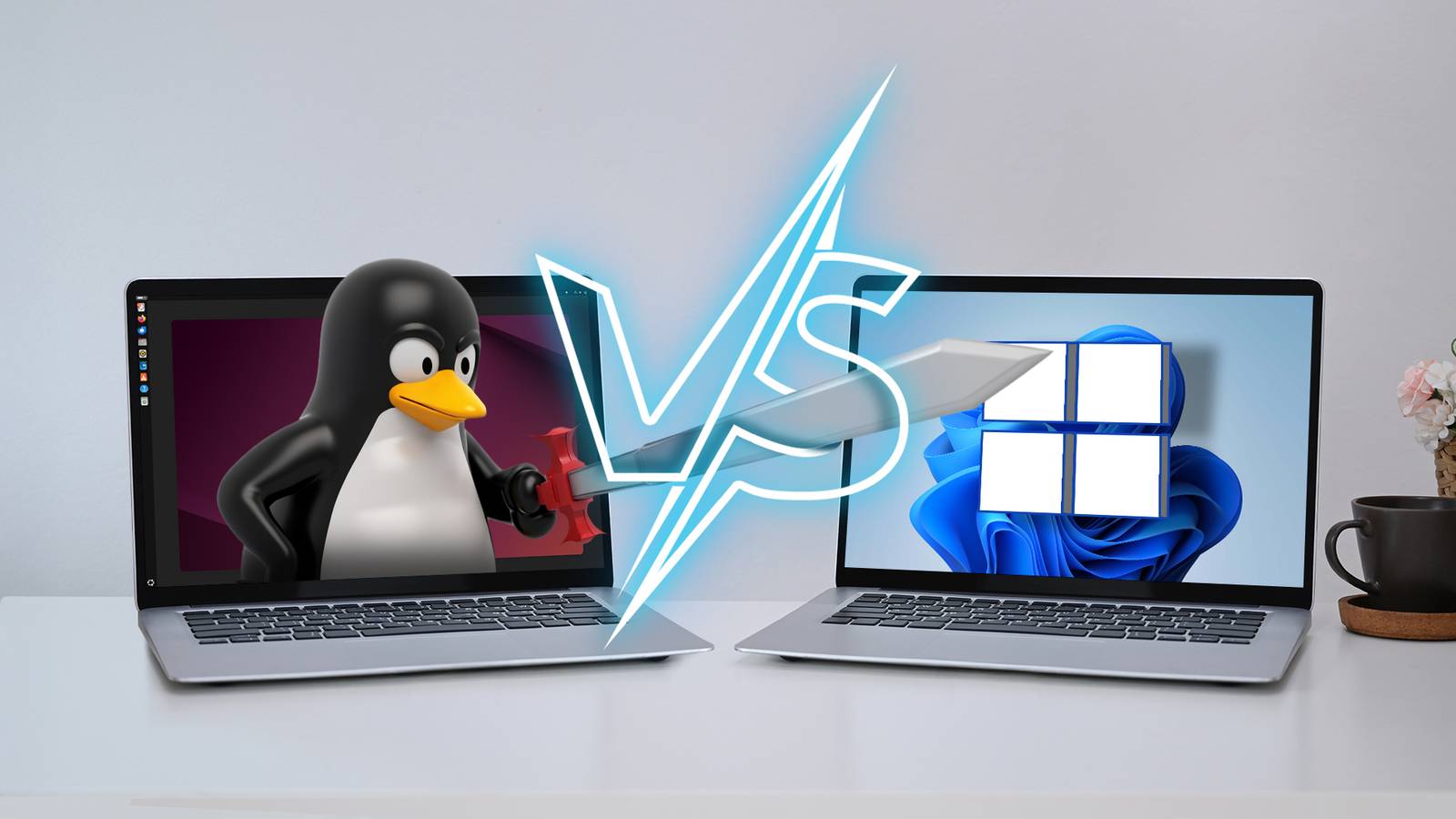
Linux promises freedom from Windows, but it demands something harder in return
Full Article
Original Source
Read the full article at Howtogeek →KhanList aggregates and links to publicly available news content. We do not host full articles from third-party sources. Always verify important information with original sources.